
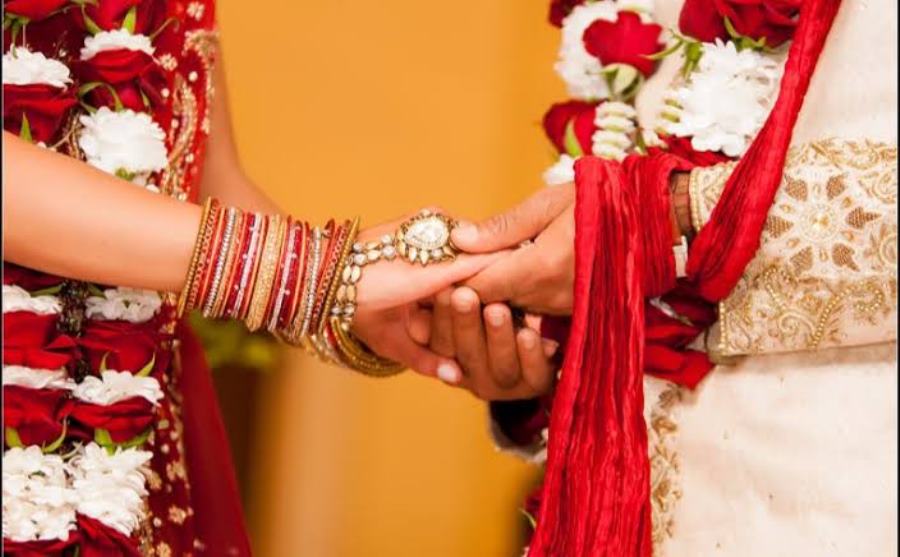
Janakpurdham. Dhanauji rural municipality of Dhanusha is going to provide honors to parents and educational incentive money to girls to encourage higher education of girls who are 20 years old and unmarried.
It is expected that the rural municipality will include the plan in the policy and program and budget of the next fiscal year 2083/84, which will increase the access of girls to higher education and help in reducing child marriage.
In the policy and program presented at the 15th village assembly of Dhanauji Rural Municipality, taking into account the situation where the residents of the rural municipality have to commute to the district headquarters Janakpurdham for education, health, administrative services and business, a bus service will be operated from Dhanouji to Janakpurdham at a low cost.
With the aim of providing easy transportation facilities to the local residents, the bus service from Dhanauji to Janakpurdham at a low cost is aimed at facilitating the daily movement of the local citizens.
Village Chairman Rajkumar Sah, while presenting the policy and program in the village assembly, said that the aim is to reduce the transport costs of the local citizens and ensure easy access by running regular bus services at a low fee.
Dhanauji Rural Municipality is a local level located in the southern region of Dhanusha. Residents here have been coming and going to Janakpurdham on a daily basis for various jobs. Rajkumar Das, chief administrative officer of the rural municipality, said that due to the lack of private vehicles and the irregularity of public transport, the local citizens are suffering.
Likewise, the rural municipality has made health, nutrition, education, agriculture and social security programs the main priority for the coming year. By effectively implementing the multi-sectoral nutrition program in the policy and program, the target has been taken to declare Dhanauji Rural Municipality as a fully-nourished rural municipality within the next five years.
It is said that programs will be conducted to reduce malnutrition, improve maternal and child health and increase public awareness about nutrition. The rural municipality is going to make arrangements to provide regular basic health services to senior citizens at their homes. According to the rural municipality, a policy has been taken to provide regular health check-up, consultation and necessary treatment services through health workers.
Chief Administrative Officer Das said that in order to expand the access to health services, free ambulance service will be conducted for senior citizens and pregnant women and free ambulance facilities will be provided to take them from their homes to the district hospital for treatment and arrangements will also be made for their regular health check-ups.
With the aim of making the agricultural sector self-reliant and professional, the ‘One Village, Many Gardens’ program will be conducted. Through this program, gardens of fruits and other agricultural crops will be developed in different areas of the village. According to the rural municipality, various types of subsidy programs will be conducted for farmers with the aim of increasing agricultural production, creating jobs and increasing the income of farmers.
According to Das, the chief administrative officer of the village, increasing agricultural production, expanding health services, improving nutrition, social security and infrastructure development have been placed at the center of the next year’s budget and program. He said that policies and programs have been formulated to address local needs and expectations of citizens.
Dhanauji rural municipality has proposed a budget of Rs 60 crore 65 lakh 57 thousand for the next financial year 2083/84. According to the budget presented in the village assembly, Rs 35 crore 10 lakh 57 thousand and Rs 25 crore 55 lakh have been allocated for capital.
In the budget presented by village chairman Sah, priority has been given to education, health, agriculture, social security, road and infrastructure development, drinking water, sanitation and institutional strengthening programs. It is expected that the implementation of the budget and programs will improve the living standards of the local citizens and help in the overall social and economic development of the rural municipality.