Kathmandu. The financial situation of European airlines has been affected by the rapid increase in the price of aviation fuel. Due to increasing operating expenses and pressure on profitability, various companies have started reducing the number of flights for the upcoming winter season and also postponing expansion plans.
Rising fuel prices, weak consumer confidence and growing market uncertainty have made the European aviation sector more challenging. Companies are cutting low-income flights to control costs and protect profits. It is seen that this will affect the price of air tickets, employment and the competitive situation of the industry.
Airlines reducing flight capacity
According to OAG, an organization that provides global air travel data, 21 European airlines have cut their proposed winter flight capacity by more than five percent.
Air France-KLM has stated that the growth rate of flight capacity in 2026 will be limited to around two percent. Earlier, the company had estimated an increase of two to three percent.
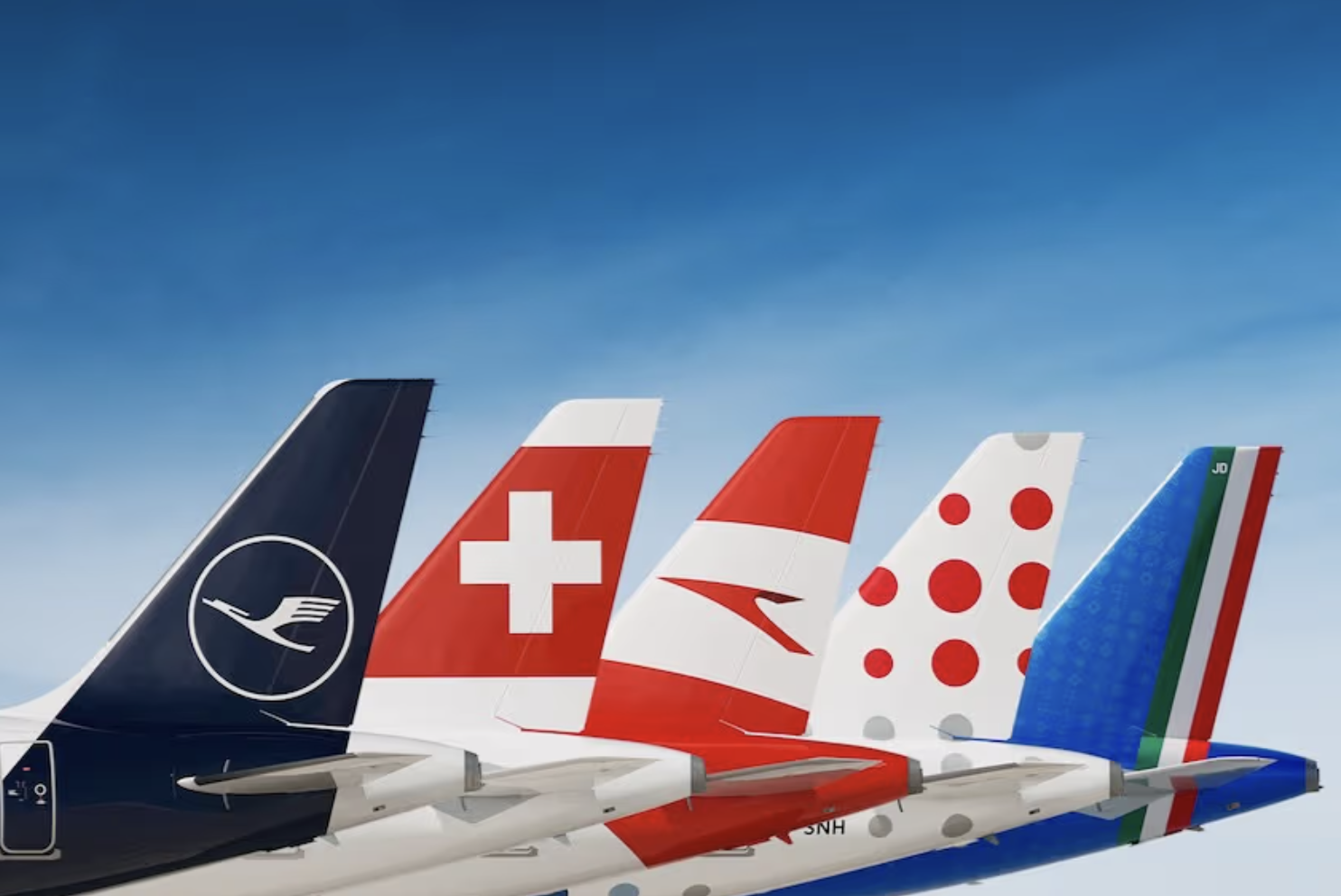
Ireland’s Ryanair aims to reduce the number of annual passengers from 216 million to 214 million. Britain’s easyJet has removed around 1.4 million seats from its winter flight schedule. Similarly, the Lufthansa Group is going to cut the capacity of five planes on short and medium-haul flights.
Poland’s LOT Airlines has suspended winter flights from Krakow to Madrid, Rome and Barcelona. Lufthansa’s subsidiary Eurowings has also canceled planned flights from Cologne and Stuttgart to Dubai.
Fuel costs put pressure on profits
According to the European Air Navigation Safety Organization (Eurocontrol), the average price of aviation fuel in Europe reached US$4.84 per gallon in October. This is the highest monthly price since the beginning of the Middle East crisis. Compared to before the crisis, the price of fuel has increased by 114 percent.
In the first six months of the financial year 2027, the net profit of Ryanair decreased by 15 percent compared to the previous year to two billion 150 million euros. Although the company has ensured about 80 percent of the required fuel prices until March 2027, the rest will be affected by the price increase in the fuel market, it said.
International Consolidated Airlines Group (IAG) fuel expenses increased by 30.4 percent in the third quarter. During this period, operating profit excluding extraordinary expenses decreased by about 16 percent, the company said.
Air France-KLM has also informed that due to the increase in the price of fuel, in the third quarter, an additional 436 million euros were spent compared to the previous year.
Air fares likely to rise
As fuel and operating expenses increase, it is seen that the burden falls on passengers. Lufthansa Chief Executive Officer Kaserten Spoor has said that air fares could grow by double-digit percentages in 2027.
Ryanair chief executive Michael O’Leary warned that European air fares could rise by 10 to 20 per cent over the next 12 months.
According to a study by the consulting firm Aksera, when an airline cancels service on a certain route, the average fare on that route can increase by 9.7 percent. This shows that competition plays an important role in air ticket pricing.
Staff reductions and restructuring
Due to financial pressure, companies have started to change their personnel management and long-term investment plans.
KLM of the Netherlands has announced a restructuring plan with the goal of improving annual income by one billion euros. The company plans to reduce the number of employees by about 15 percent in the coming years. Also, instead of the Airbus A320, it is preparing to use the smaller Embraer E195-E2 aircraft.
Brussels Airlines has postponed plans to take delivery of two more Airbus A330 aircraft in 2027. Latvia’s AirBaltic has announced that it will cut about 100 pilots and 200 cabin crew. Wizz Air also plans to eliminate 172 positions in its operations in Romania.
Consolidation is expected to increase in the industry
It has been analyzed that due to continuous economic pressure, integration and cooperation between European airline companies will increase. According to IAG CEO Luis Gallego, some companies have approached IAG for possible collaboration.
Croatian economic analyst Damir Novotnya said that the relatively cheap fuel of the past decade has increased the number of air passengers and flights, but it has created competitive pressure among companies.
According to him, in the coming years, some loss-making airlines may exit the market, and the increase in operating expenses will also increase the price of tickets.
Rising fuel prices have pushed the European aviation industry into a path of flight cuts, staff restructuring and price hikes. It has been seen that its impact is not only on passenger expenses but also on employment, air connectivity and industry competition for a long time.