

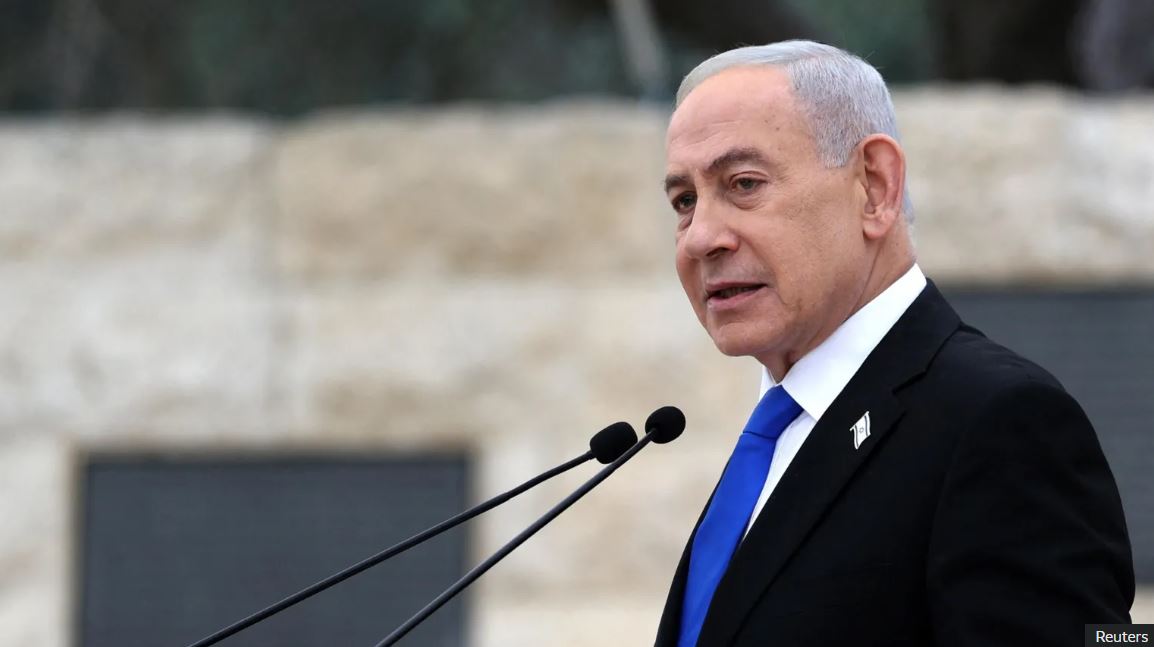
Kathmandu. Exit polls of Israel’s Knesset elections show that no coalition can win a clear majority. Both the right-wing coalition led by Prime Minister Benjamin Netanyahu and the opposition coalition led by his main rival Gadi Eisencott are far from the 61 seats needed to form a government.
According to the exit poll of the leading Israeli television network, it is estimated that the opposition coalition led by Eisenkot will get 52 to 53 seats and Netanyahu’s side will get about 50 seats in the 120-member parliament (Knesset). Arab parties are predicted to win 17 to 18 seats.
It is said that 77.7 percent voting in this election, which is the highest participation since 1999. After the attack by Hamas on October 7, 2023, the elections between the Gaza war and conflicts with Lebanon and Iran are seen as public opinion on Netanyahu’s leadership.
After not getting a clear majority, it is seen that coalition talks between various parties will be decisive for the formation of the government. Netanyahu has signaled the formation of a government of national unity. However, far-right leader Itamar Ben-Gvir has rejected the proposal to cooperate with Eisencott.
Meanwhile, Eisencott claims the people have voted for change and says the Netanyahu government has lost faith. He has promised to form a government representing all communities.
On the other hand, it is said that Netanyahu is involved in political discussions and lobbying to prevent a possible party change within his party and to receive the first invitation from the President for the formation of the government.
This estimate of the exit poll shows that the uncertainty of the formation of the government in Israel may be extended. The final result and the consensus between the parties will determine the form of the next government. Al Jazeera