
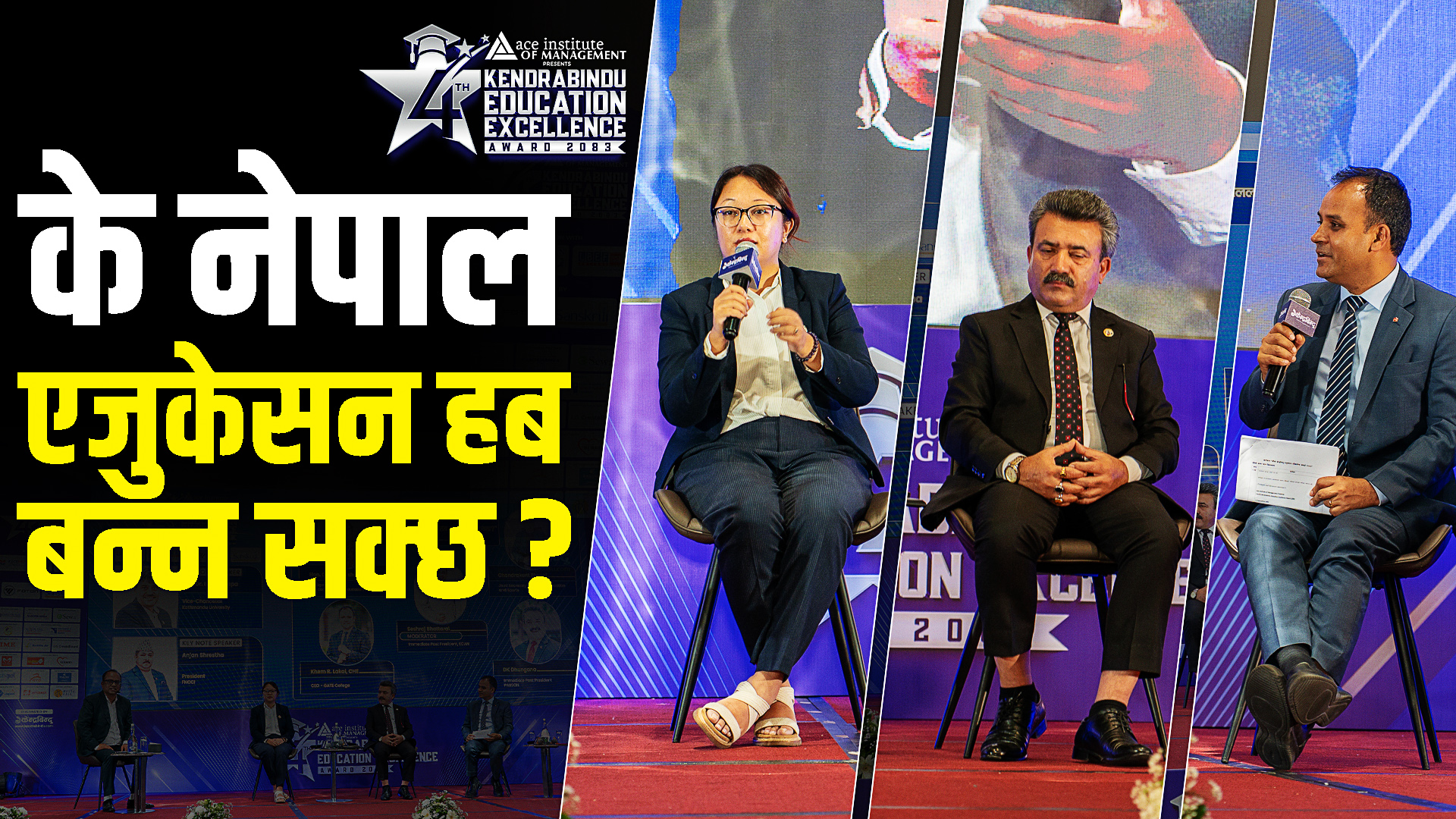
Kathmandu. Experts and stakeholders have concluded that policy reform, cooperation with the private sector, participation of experts and change in thinking are indispensable to develop Nepal as an ‘education hub’.
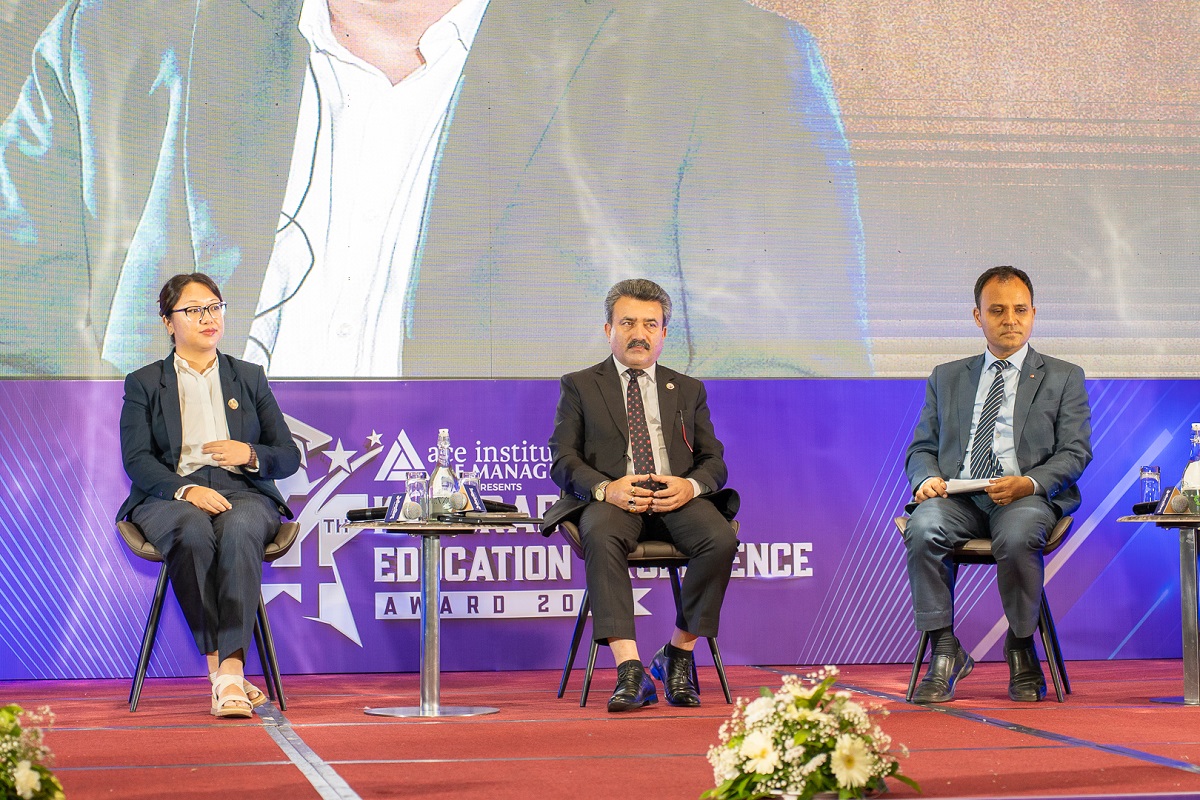
Speakers participating in the panel discussion on ‘Can Nepal be made an education hub?’, organized by Kendrabindu Online Media Pvt Ltd in Lalitpur under the ‘Fourth Kendrabindu Education Excellence Award 2083’, said that even though Nepal has ample potential to become an educational hub, necessary policy, structural and administrative reforms are inevitable.
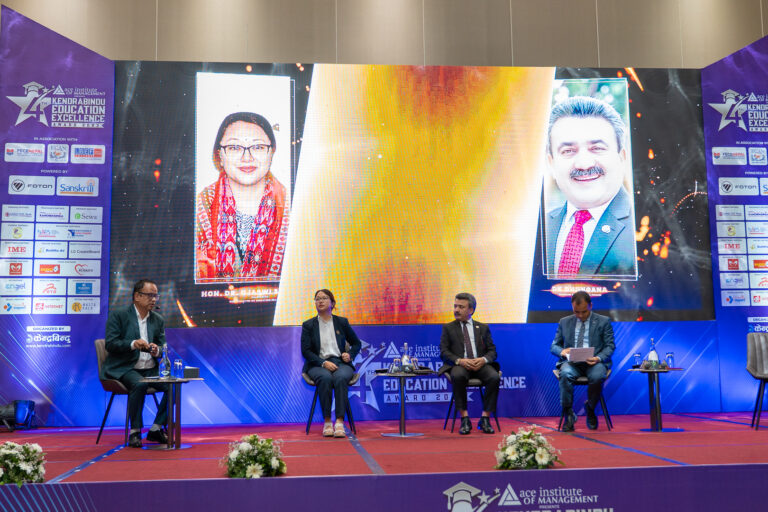
The policy is not sustainable without the participation of experts -Dr. ओजश्वी शेरचन
Chairman of the Education, Health and Information Technology Committee of the House of Representatives. Ojashwi Sherchan said that policies and laws made by politicians alone cannot be sustainable and effective. She expressed her commitment that in the future, the bills related to education, health, and information technology will be moved forward after continuous discussions with experts and stakeholders.
Although foreign students are willing to come to Nepal, she mentioned that the complications related to student visas are creating problems, and said that it needs to be improved. Nepal may be an educational hub, but it is not something that will happen tomorrow. Even now, foreign students continue to come to Nepal. However, those who come from abroad cannot come on student visa due to lack of proper regulation, they have to come on tourist visa, which we have to change,’ she said, ‘if only politicians make a policy together, it will not be effective, even if it is implemented, such a policy cannot be sustainable and service-oriented. Therefore, if the real development of the country is to be done in every sector, the involvement of experts is mandatory.
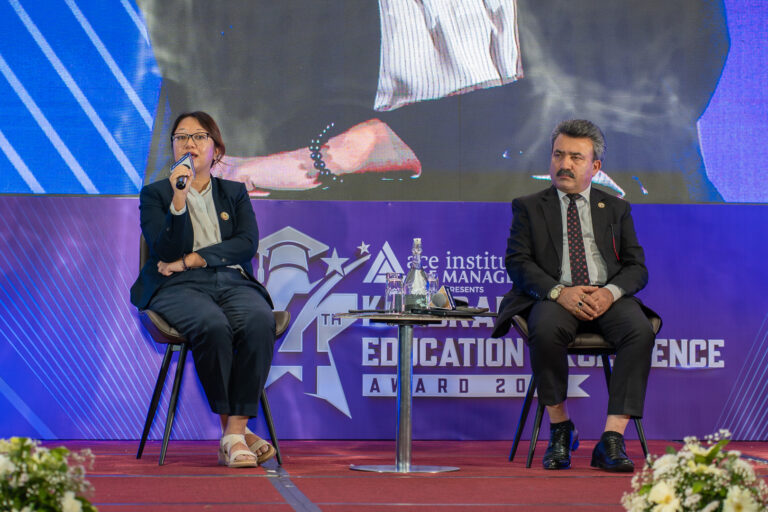
Giving the example of the intensive discussion on the bill related to the establishment of legal science laboratory in the committee, she clarified that in the future, all the bills related to education, health, information technology, sports and cinematography will be carried forward in a new style.
Chairman Dr. शेरचनले थपिन्- ‘अहिले मेरो समितिमा विभिन्न विधेयकहरूमा छलफल भइरहेको छ । अब आउने प्रत्येक विधेयक, चाहे त्यो शिक्षासँग सम्बन्धित होस् वा स्वास्थ्य, सूचना प्रविधि, खेलकुद र सिनेम्याटोग्राफीसँग, ती सबैलाई हामी पहिलाभन्दा अलिकति फरक तरिकाले ह्यान्डल गर्नेछौँ । समितिको सभापतिको हैसियतले म भन्न चाहन्छु कि अब विज्ञहरू र स्टेकहोल्डर्सलाई राखेर निरन्तर छलफल गरेर मात्र पोलिसी बन्नेछ । यसरी देश र माटो सुहाउँदो नीति बनाएर मात्र हामी देशलाई दीर्घकालीन रूपमा प्रगतिशील बनाउन सक्छौँ ।’
निजी क्षेत्रलाई दण्ड होइन, प्रोत्साहन चाहिन्छ -डिके ढुंगाना
प्याब्सनका पूर्वअध्यक्ष तथा रेडियन्ट स्कुलका संस्थापक डिके ढुंगानाले सरकारले निजी क्षेत्रलाई प्रतिस्पर्धी होइन, साझेदारका रूपमा हेर्नुपर्ने धारणा राखे। उनले राज्यले सबै काम एक्लैले गर्न नसक्ने भएकाले स्रोत सिर्जना गर्ने निजी क्षेत्रलाई प्रोत्साहित गर्नुपर्ने बताए।
उनले भने, ‘समृद्धिको आधार निजी क्षेत्र हो। सरकार आफैंले सबै काम गर्न सक्दैन। बढीभन्दा बढी लगानी गर र बढीभन्दा बढी कर तिर भन्ने वातावरण बनाउनुपर्छ। निजी क्षेत्रलाई निरुत्साहित गरेर देश अगाडि बढ्न सक्दैन ।’
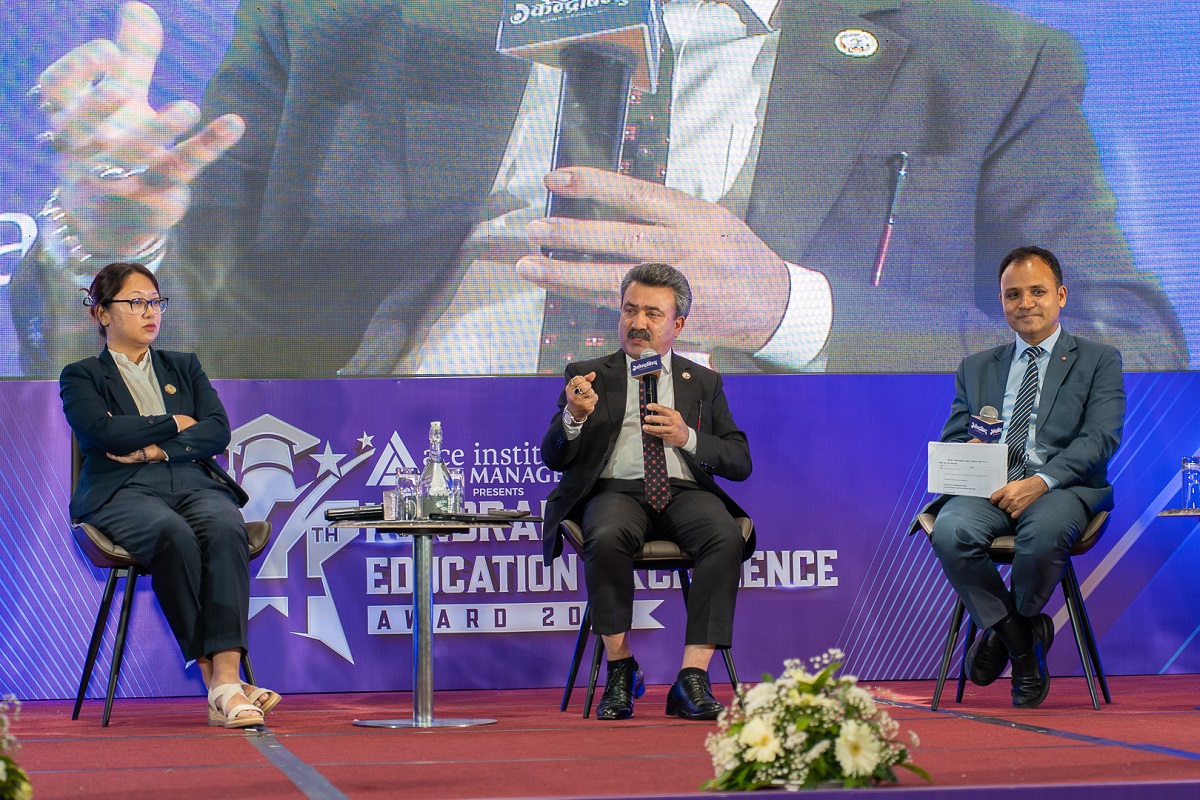
ढुंगानाले चुनावी घोषणापत्रमा नेपाललाई शैक्षिक हब बनाउने विषय समेटिए पनि बजेटमा त्यसअनुसारको प्राथमिकता नदेखिएको भन्दै असन्तुष्टि व्यक्त गरे। नीति निर्माण गर्ने तहमा निजी क्षेत्रप्रति नकारात्मक धारणा रहेको उनको टिप्पणी थियो।
उनले समता करको विषयमा मिश्रित प्रतिक्रिया जनाउँदै सामुदायिक विद्यालयलाई सहयोग गर्ने अवधारणाको स्वागत गरे पनि निजी विद्यालयमा अध्ययन गराउने अभिभावकमाथि थप आर्थिक भार थोपर्नु उचित नभएको बताए। ‘निजी विद्यालयमा आफ्ना छोराछोरी पढाउने अभिभावकले राज्यको ठूलो बोझ कम गरिरहेका छन्। उनीहरूलाई प्रोत्साहन गर्नुपर्ने ठाउँमा करमार्फत दण्ड दिनु न्यायोचित होइन,’ उनले भने।
फिनल्यान्ड भ्रमण गरेको अनुभव सुनाउँदै ढुंगानाले थपे, ‘फिनल्यान्डमा सरकारले बिहानदेखि दिउँसोसम्म मात्र सेवा दिन्छ। त्यसपछि बालबालिकाको हेरचाह, यातायात र अतिरिक्त विषयका लागि अभिभावकले छुट्टै खर्च गर्नुपर्छ। नेपालका निजी विद्यालयहरूले भने सीमित शुल्कमा शिक्षासँगै खेलकुद, संगीत, नृत्य र अतिरिक्त गतिविधिहरू सञ्चालन गरिरहेका छन् ।’
ग्लोबल मोबिलिटीलाई अपराधका रूपमा हेर्ने सोच बदल्नुपर्छ -खेम लकाई
गेट कलेजका संस्थापक तथा अध्यक्ष खेम लकाईले नेपालमा अन्तर्राष्ट्रियस्तरको शैक्षिक केन्द्र बन्ने सम्भावना पर्याप्त रहेको भए पनि सरकारी सोच र नीतिगत जटिलताले त्यसलाई अवरुद्ध गरिरहेको बताए। ग्लोबल मोबिलिटीलाई सकारात्मक रूपमा नहेर्ने प्रवृत्ति परिवर्तन गर्नुपर्ने उल्लेख गर्दै उनले नेपालमा विश्वस्तरीय पूर्वाधार तयार भइसकेको र विदेशी विद्यार्थीहरू समेत अध्ययनका लागि नेपाल आउन थालेको बताए।
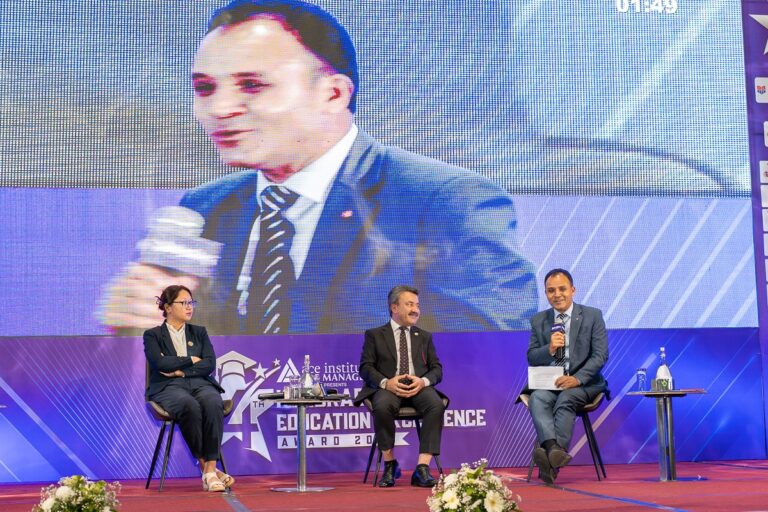
लकाईले भने, ‘हाम्रा शैक्षिक संस्थाहरू किन अगाडि बढ्न वा टिक्न सकिरहेका छैनन् ? नीति निर्माताहरूले ध्यान दिनुपर्ने कुरा के हो भने, सरकारले नीति निर्माण गर्दा त्यो ट्रान्सफर्मेसन र ग्लोबल मोबिलिटीलाई किन एउटा अपराध जस्तो जस्टिफाई वा प्रमाणित गर्न खोजिरहेको छ ? यसलाई कसरी हेर्नुहुन्छ ? It must be corrected.
यसैगरी युवाहरूको विदेश पलायनलाई इंगित गर्दै उनले थपे, ‘हाम्रो देशमा युवाहरूले कोरिया जान पाएनन् भनेर ज्यान गुमाउनुपर्ने परिस्थिति छ, तर अर्कोतिर कोरियाकै विद्यार्थी डलर तिरेर हाम्रो देशको प्रणालीमा पढ्न आइरहेका छन् । समाजमा हामीले यस्तो गौरव स्थापित गर्नुपर्नेछ । पुराना पुस्ताले जे-जस्तो विरासत छोडेर गए पनि अब हामीले यसलाई अर्को ठाउँमा लैजानुपर्छ ।’
यस सत्रको मोडरेटरको भूमिका इक्यानका निवर्तमान अध्यक्ष शेषराज भट्टराईले निभाएका थिए ।