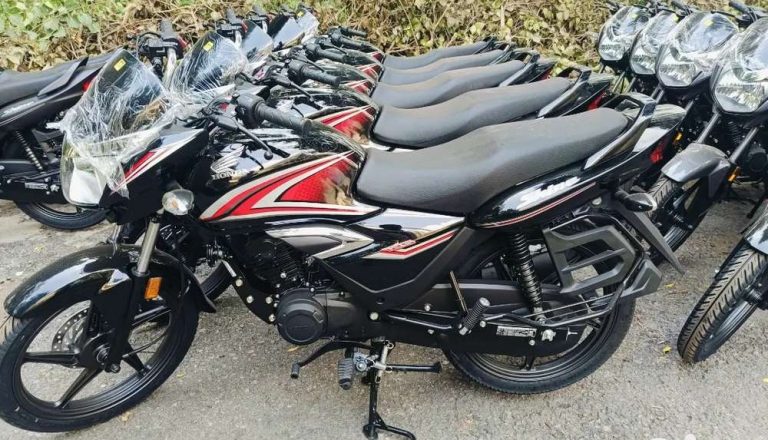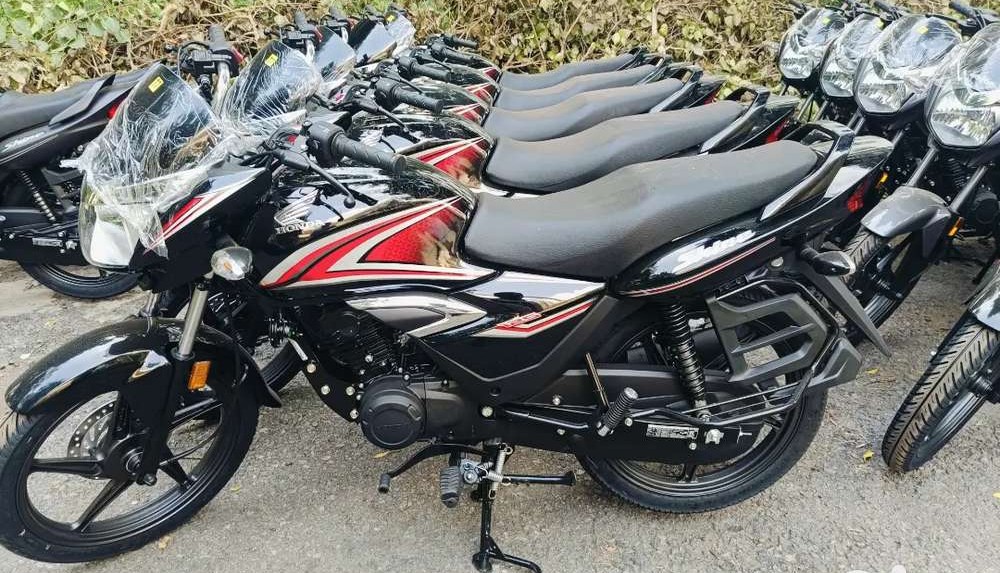
Kathmandu. In the first four months of the current fiscal year 2083/84 (from July to October), the import of motorcycles and electric two-wheelers in Nepal has increased significantly. According to the data of the Customs Department, a total of 113 thousand 217 units of motorcycles and related two-wheeled vehicles were imported under 13 headings during this period.
The government has collected more than 15 billion 78 billion rupees in customs revenue from this import. During this period, the total value of imports is more than 16 billion 33 crore 11 lakh rupees.
According to the data, the most 58 thousand 432 unassembled vehicles of piston engine motorcycles were imported. The value of the import is 6 billion 486 million rupees and the revenue is 5 billion 93 million 76 million rupees.
Similarly, in another heading, 23 thousand 917 unassembled motorcycles were imported. The import value of those vehicles is 3.85 billion 63 million rupees and the customs revenue is 3.43 billion 84 million rupees.
Similarly, 9 thousand 446 motorcycles were imported under the title of third largest import. Its import value is 1 billion 85 million 81 million rupees and revenue is 1 billion 88 million 22 million rupees.
According to the data, 4,638 motorcycles with a piston engine capacity of more than 50 cc and 4,261 motorcycles with a capacity of more than 125 cc were imported. Similarly, under another heading, 11 thousand 739 unassembled motorcycles have been entered.
The import of electric two-wheelers is relatively low. Seven motorized bicycles and 221 electric motorcycles have been imported in four months. Customs revenue of 57 lakh 84 thousand rupees has been collected from electric motorcycles.
Similarly, 236 motorcycles with a capacity of more than 200 cc, four motorcycles with a capacity of more than 251 cc and one motorcycle with a capacity of more than 800 cc were imported in the data.
The data of the customs department has shown that a large amount of revenue has been collected from the import of motorcycles and two-wheelers in the first four months of the current financial year.