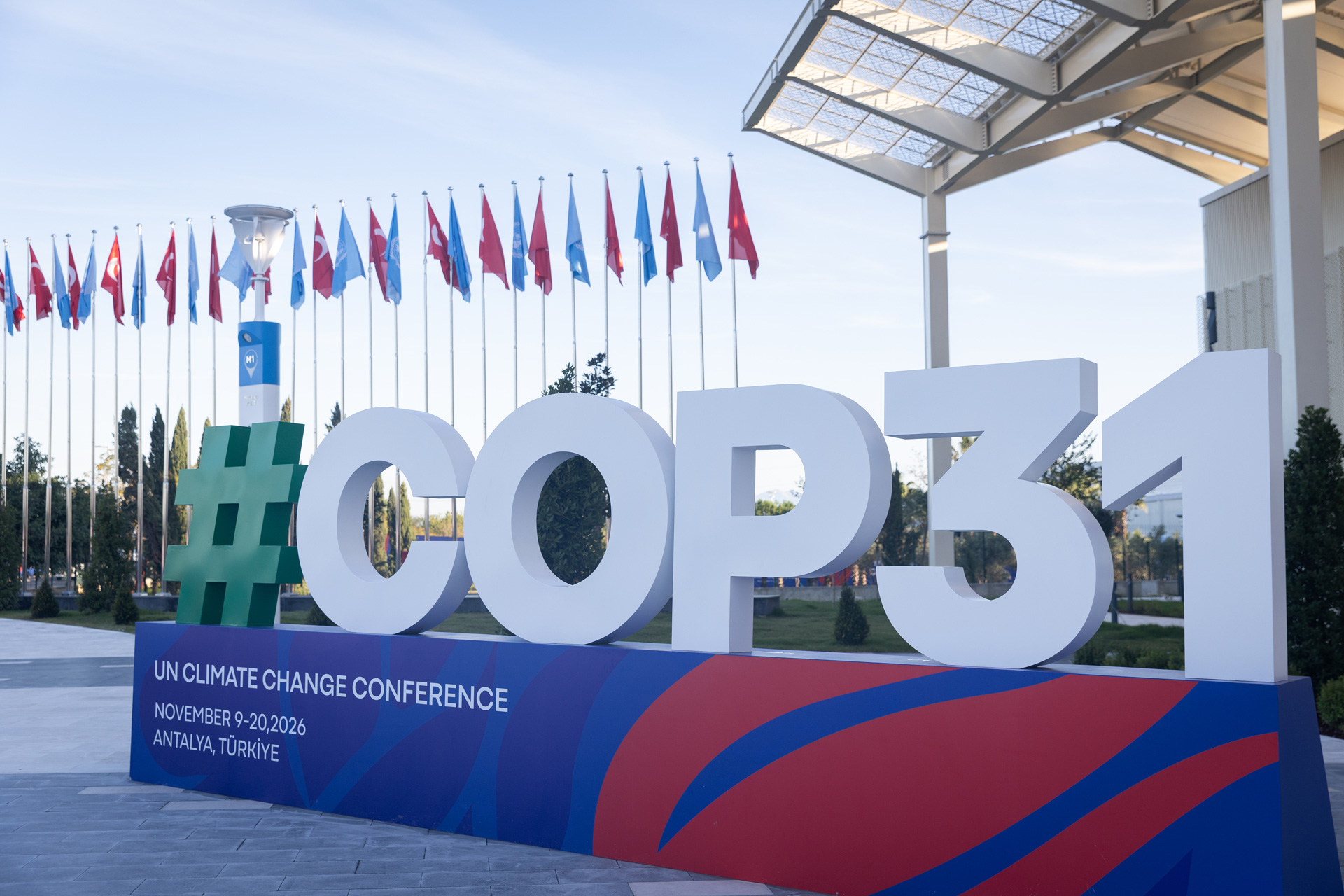
Antalya. The United Nations Climate Conference (COP-31) held in Turkey has remained without a common conclusion due to the failure to reach an agreement on ending the use of fossil fuels. The debate over whether to mention fossil fuels such as coal, oil and gas in the final document of the conference did not reach a conclusion.
The annual climate conference tried to issue a common document called ‘Cover Decision’ containing the measures to be taken by countries against climate change. However, since the draft presented by Turkey did not include a clear commitment on fossil fuels, many countries expressed dissatisfaction with it.
Ireland’s Minister of Climate, Energy and Environment, Darragh O’Brien, speaking on behalf of the 27 member states of the European Union (EU), said that the proposed document does not include the necessary actions and ambitions to deal with climate change. He said that climate decisions cannot be accepted without mentioning fossil fuels.
Panama’s chief climate negotiator, Ana Aguilar, commented that instead of taking the steps demanded by science and reality, it is a matter of repeating old commitments. He said that the carbon capture and storage technology is highly dependent and the language of the previous agreement has also been weakened. He also described it as a matter of climate justice.
Marshall Islands Climate Ambassador and Chief Negotiator Cathy Jetnil-Kijner said the world expects immediate action to reduce emissions, protect people and provide climate finance. He said that the proposal that encourages the expansion of fossil fuels and presents the wrong solution cannot be accepted.
Kate Hughes, the United Kingdom’s chief climate negotiator, said the proposed document would set back the pace of climate science and implementation. He commented that at a time when collective ambition should be increased in climate action, the proposal weakened it.
However, Palau’s Environment Minister Steven Victor said that although the proposed document has some weaknesses, it supports it because it includes positive topics such as clean electrification, marine conservation and climate finance. He said that even if there is disagreement on the provisions related to carbon sequestration, other issues should not be ignored. He mentioned that although the common cover decision was not passed, the conference could not be called a complete failure as other action plans were approved.
Chris Bowen, chairman of the COP-31 talks and Australia’s climate and energy minister, expressed his disappointment at the lack of agreement on a common document. He said that it was difficult to reach an agreement because some countries’ stance on fossil fuels was very strict. However, in the real world, the transition from fossil fuels to clean energy is inevitable and the process is progressing, he said.