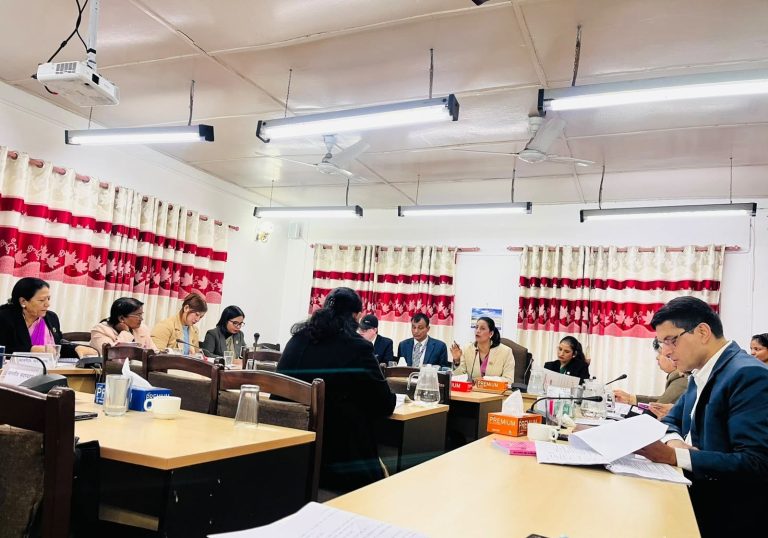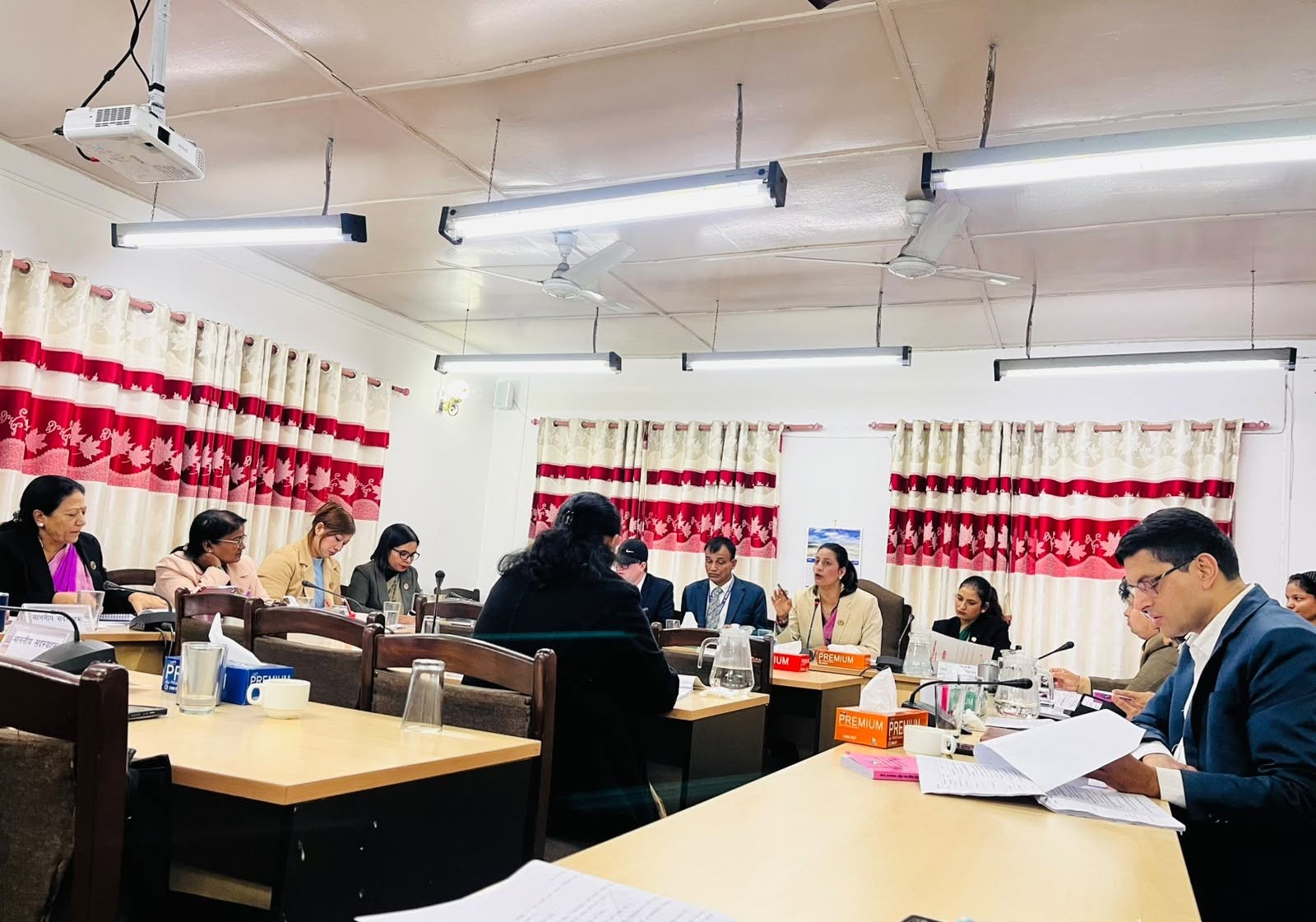
Kathmandu. Preparations have been made to remove the word ‘prostitution’ from the Human Trafficking and Trafficking Bill and replace it with respectful and gender-neutral terminology. As the term only targets women and harms their dignity, alternatives have been sought. However, emphasis has been placed on not weakening the definition of crime and legal punishment in the name of changing the wording.
According to Women and Social Affairs Committee Chairperson Akriti Awasthi, although alternatives such as ‘prostitution’ and ‘sex trade’ have been discussed, there is a challenge that the word ‘trade’ can legally give a wrong meaning. Therefore, he said, he is ready to search for a clear legal terminology to cover forced sexual acts and people involved in it.
The Human Trafficking and Trafficking (Control) (First Amendment) Bill, 2083 has been discussed for a week. After a few more days of extensive discussion, the process is ready to be completed within a week.
In Nepal, it is not legal to engage in sex voluntarily. However, due to poverty and lack of finances, women are forced to be involved in this field illegally. She said that in order to stop illegal sexual activities, she will introduce a policy to empower women.
According to him, there is a need to connect women and other people who are forced to engage in such activities with alternative economic opportunities and empowerment programs.
Justice, rehabilitation and compensation of the victims have been given priority in the compensation bill from the government fund. If the perpetrator fails to pay compensation or delays, the government proposes to provide funds from the rehabilitation fund and later collect from the perpetrator.
Psychosocial counseling, health services, economic empowerment, confidentiality and free interpreter and sign language services are also included in the rehabilitation system.
Awasthi said that the proposal to double the punishment is that the punishment for people involved in human trafficking and trafficking is about to be doubled compared to the previous provision. According to the law, depending on the amount of the crime, those involved in prostitution are imprisoned for 10 years to 15 years and fined from 50,000 to 100,000 rupees, while those who engage in prostitution face imprisonment from 1 month to 3 months and a fine of 2,000 to 5,000 rupees.
According to the chairman Awasthi, the provision has been made in the bill to punish all those who illegally engage in crime, conspire and participate in trafficking. He said that compensation, fines and imprisonment have also been increased. She said that in case the victim is unable to pay the compensation, the bill also includes a provision that the victim should be sentenced to imprisonment equal to the amount of the compensation.
The bill also seeks to bring human trafficking, sexual exploitation and labor exploitation using electronic means into the scope of crime. According to Chairman Awasthi, a provision has been proposed that action can be taken according to Nepali laws even if a crime is committed against a Nepali abroad or a foreign citizen commits such a crime against a Nepali.