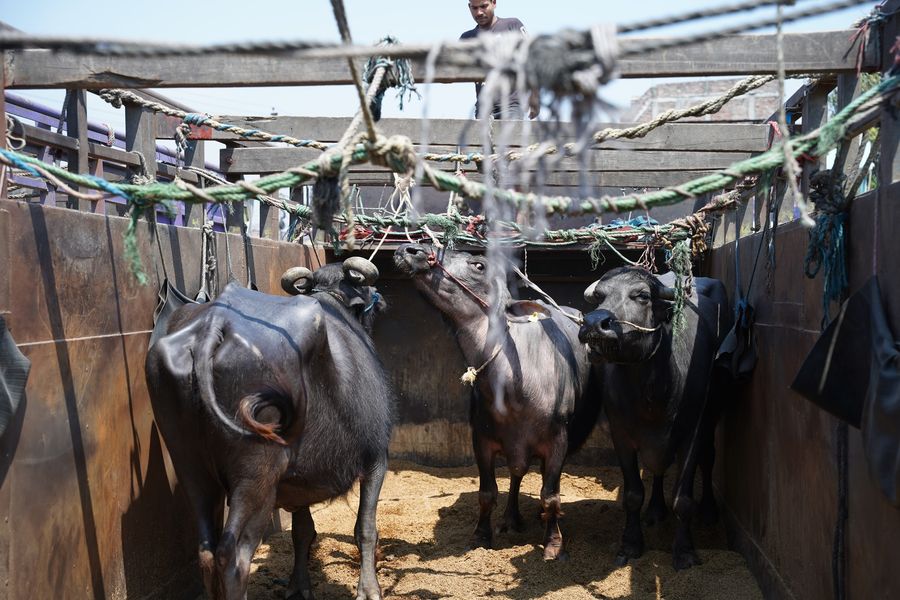
Kathmandu. In Nepal, there is extreme carelessness in the transportation of livestock brought to Kathmandu from various districts for meat purposes. It was found that animals were transported for a long distance without providing any feed and water, more than the capacity of coaches and without using suitable vehicles.
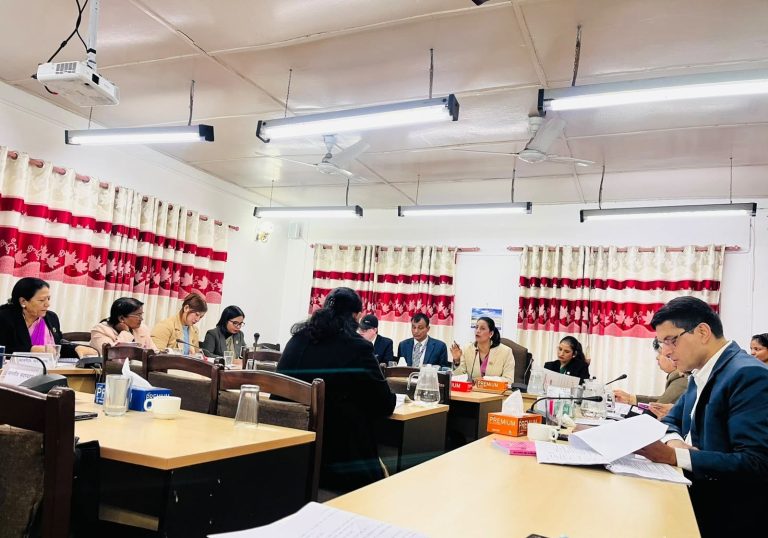
During the on-site observation and photo and audio collection conducted by the Nepal Animal Welfare and Environment Society, it was found that animal welfare standards are being violated, especially in the transportation of buffaloes, goats and chickens. The society held a press conference here today and said that it will take 48 to 72 hours to bring buffaloes from Kailali, Tikapur, Attaria and other areas in the Far West to Kathmandu.
The fact that water and food are not provided to some animals during that period has been made public. “During a long distance journey, there should be arrangements for feeding, feeding and resting the animals. However, more than the capacity of the animals are being brought in a single truck. In this process, they are injured, injured and have to suffer physical and mental pain”, said Hari Joshi, director of the society.
According to him, buffaloes are transported in trucks carrying vegetables and other goods instead of transport vehicles prepared for special purposes. He says that in some cases, small and big buffaloes are kept in the same place and they are tied up without giving enough space, which makes them more uncomfortable.
Joshi, director of the society, said that a similar problem was seen in the transportation of chickens and goats. The society has also said that it is conducting a public awareness campaign to reduce such behavior on animals. Director Joshi informed that a campaign has been started to collect photos and videos and make them public to highlight the problems seen during transportation.
He emphasized that the animal trade and meat business should not be opposed but cruel treatment of animals should be stopped during business operations. “Animals are also living creatures. They also have hunger, thirst, fear and pain. Therefore, it is the responsibility of the state and all concerned bodies to arrange safe transportation”, he said.
Joshi, director of the society, says that although the government has made standards for animal transportation, it has not been implemented effectively. He said that although government agencies have shown interest in revising animal transport standards in a timely manner, no progress has been made in their effective implementation.
Director Joshi suggested that special types of vehicles should be used to organize animal transportation and that the government should give concessions and revenue discounts to businessmen in purchasing and operating such vehicles.
Similarly, he said, while transporting animals over long distances, resting centers should be established in between. He said that in such centers there should be arrangements for feeding animals with water and fodder, giving them rest and necessary treatment.
Joshi mentioned that setting up a modern and organized slaughterhouse around Chitwan can be another option to reduce the waste and sanitation problems caused by animal transportation in Kathmandu.
According to the society, buffaloes and other animals are brought to Kathmandu from Kailali, Tikapur, Attaria, Nepalganj, Bardia, Nawalparasi, Bara, Janakpur, Biratnagar and other areas. The society says that even the monitoring system of animal transport is not effective.
Joshi said that even though the quarantine offices in different locations will proceed with the transportation process based on the animal’s health certificate, there is not enough on-site monitoring of the manner in which the animals are being transported.
He urged the government to increase coordination and cooperation between Animal Services Department, Quarantine Office, Traffic Police, animal buying and selling businessmen and transportation businessmen to effectively implement the standards related to animal transportation.