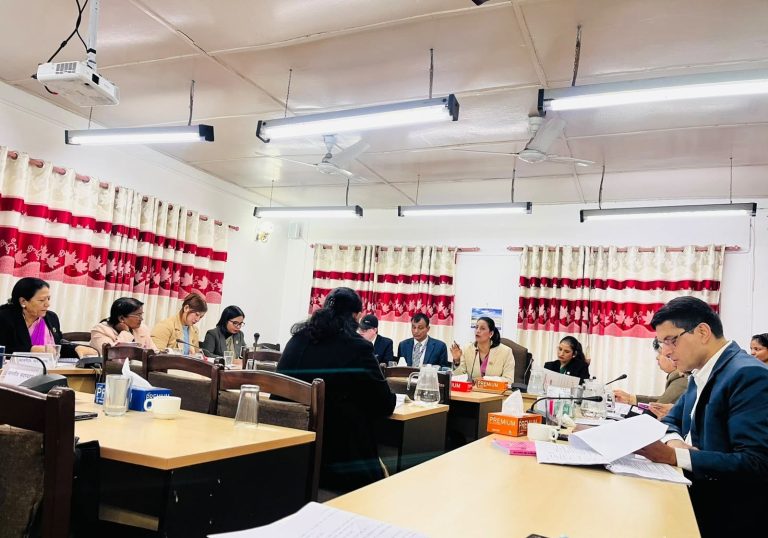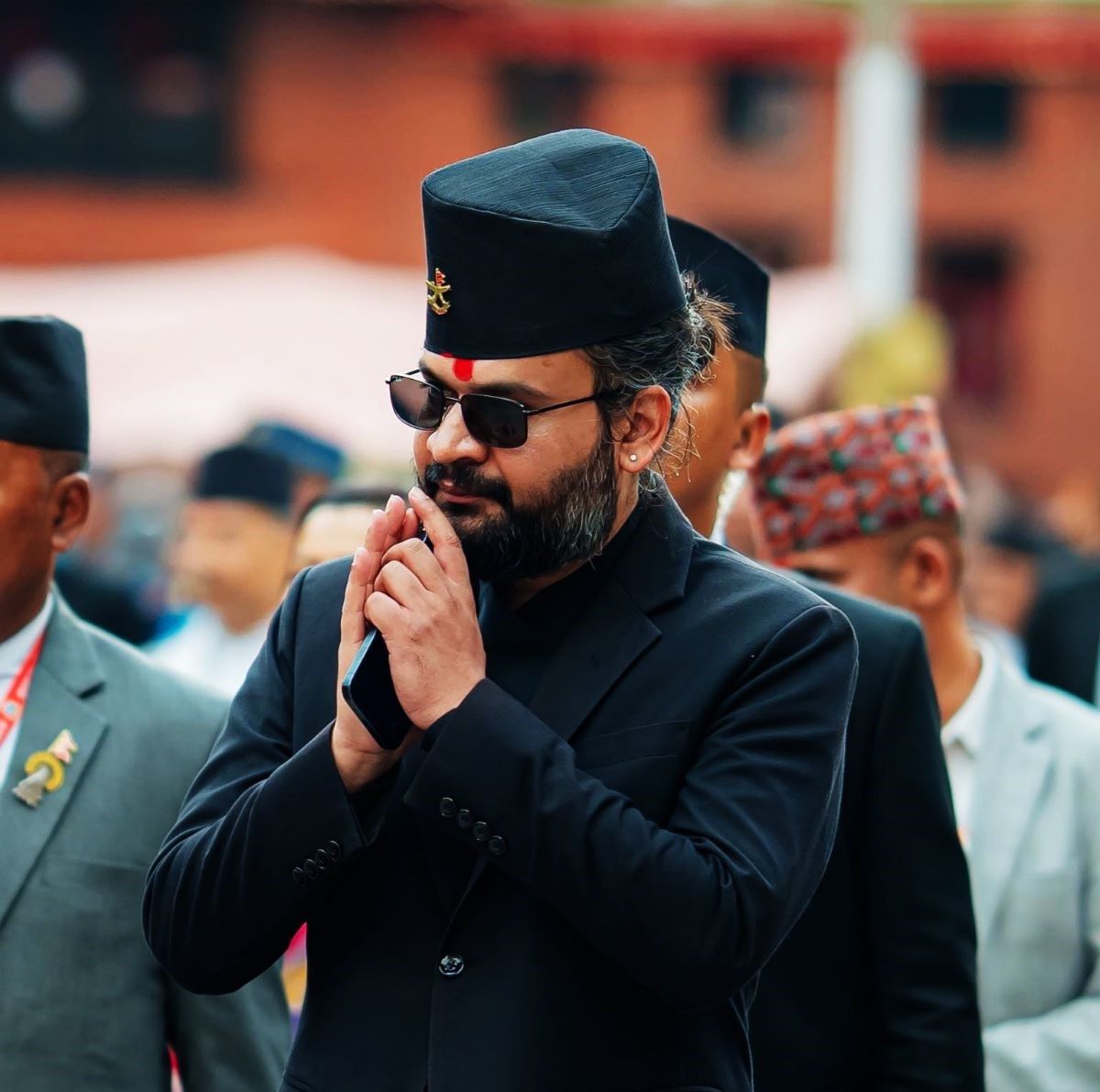
Kathmandu. Prime Minister Balendra Shah ‘Balen’ is going on a two-day state visit to India tomorrow. Along with the visit, the topic of additional air entry route, which Nepal has been raising for years, has come into discussion again. While it is being discussed that India has given a positive signal to provide an air entry route from Mahendranagar, no agreement has yet been reached on the Bhairahawa and Nepalgunj entry points sought by Nepal.
Since 2014, Nepal has been requesting India to provide more air access routes from Biratnagar, Janakpur, Bhairawa, Nepalgunj and Mahendranagar. However, even after more than a decade, Nepal’s demand has not been met.
Meanwhile, India wants to use the Nepali airspace for Bagdogra airport and in return, there is a proposal to provide more air access to Nepal. However, the issue of which way to agree has not yet been decided.
While Nepal is demanding to provide entry point from Bhairahwa and Nepalganj, India’s proposal to provide entry point from Mahendranagar only at 39 thousand feet height is viewed by the Nepali side as a proposal that does not match its commercial needs.
The former director general of Nepal Civil Aviation Authority and experts in the aviation sector have been saying that the issue of air routes can be resolved on the basis of technical coordination and mutual benefits. However, this issue is not only related to technical limits but also to diplomatic relations and strategic interests between the two countries.
Foreign scientist Dr. Dinesh Bhattarai says that recently India has become somewhat flexible regarding air entry routes. He is of the opinion that the necessary preparations and discussions at the internal level may have given a positive signal in this matter.
“India seems to be flexible about the air route now. What is important is how the internal preparation is. There must have been some signal internally and it has come to the media,” says Bhattarai.
According to him, if the entry route from Mahendranagar is available, it can help in expanding the regional and international air network of Bhairahawa and Pokhara International Airport. Therefore, he expects that India will make a decision keeping Nepal’s needs in mind this time.
Bhattarai says that in the past, India has raised the issue of security sensitivity and said that it cannot provide more air access routes. However, according to his analysis, India may have come to the conclusion that providing Nepal’s air route will not have a major impact on its security.
Bhattarai says that Nepal should also address India’s legitimate security interests. He suggested that the relationship between the two countries should be developed on the basis of mutual trust and cooperation.
What do you expect from Balen’s visit?
According to the Ministry of Foreign Affairs, during the visit, Prime Minister Shah will have a courtesy meeting with Indian President Draupadi Murmu, and there is a schedule of delegation-level talks with Indian Prime Minister Modi. Foreign Minister of India S. Jaishankar will also have a courtesy call on Prime Minister Shah. The ministry said that during the visit, the multifaceted cooperation between the two countries will be reviewed and mutual benefits will be discussed. In such a situation, the visit is seen as an opportunity to raise the issue of additional air access routes to a higher political level and bring them to an agreement.
According to foreign expert Bhattarai, during the Prime Minister’s visit to India, it is also necessary to pay attention to the matter of moving forward with projects agreed in the past, including air routes, but yet to be implemented.
“Projects agreed in the past but yet to be implemented should be implemented. There are more than 40 institutional bilateral mechanisms between Nepal and India. These mechanisms should meet from time to time and discuss related issues,” he says.
He stressed on building an atmosphere of trust between the two countries and implementing the agreed issues. In addition, he suggested that Nepal’s national interest should be given first priority in any agreement.
Bhattarai says that Nepal should also expand its domestic production capacity to reduce excessive dependence on India. According to his analysis, if the production of exportable goods and services can be increased by developing the agriculture, tourism and energy sectors, the relationship between the two countries can move from dependence to interdependence.
Why is it important for Nepal’s aviation sector?
Availability of additional air access routes for Nepal is not only related to the effective operation of Pokhara and Bhairahawa International Airports. It is expected to reduce the distance, time and fuel cost of international flights and expand the commercial potential of Nepali Air Service Company.
Experts in the aviation sector argue that an easy access route is necessary to connect Bhairawa and Pokhara International Airports with the network of regular international flights. If a suitable air entry point is available, the operation of international flights will be facilitated and the economic benefits that can be obtained from Nepal’s airspace can also increase.
However, due to the lack of agreement with India, the potential of Nepal’s international aviation sector has not been fully utilized.