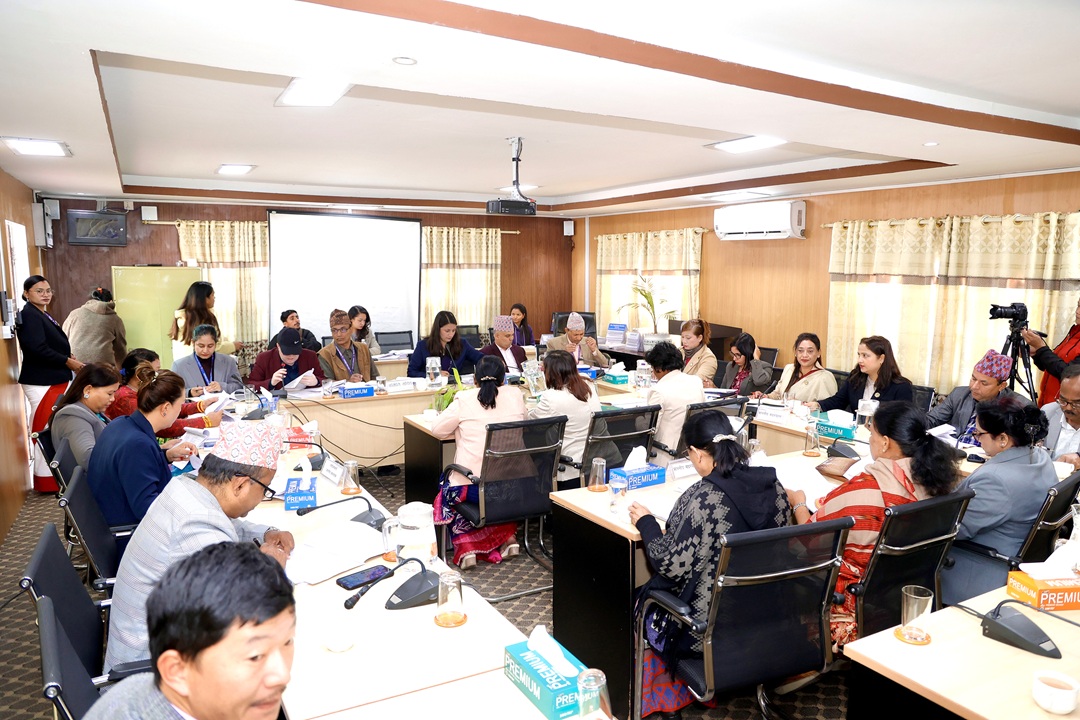
Kathmandu. The parliamentarians have drawn the government’s attention to the violence against Nepali domestic women workers who have illegally arrived in the banned countries and the citizenship problem of their children.
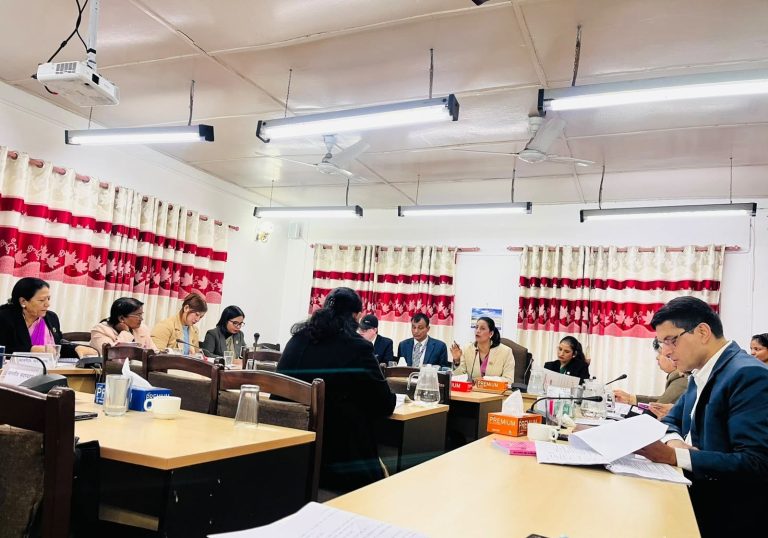
During the discussion on the Human Trafficking and Trafficking (Control) (First Amendment) Bill, 2083 in the Women and Social Affairs Committee of the House of Representatives, the parliamentarians demanded the government to ensure the rescue, safety and rights of women victims abroad.
Member of Parliament Yesuda Kumari Baral mentioned that Nepali women who have come to the banned countries as domestic workers are subjected to trafficking, sexual exploitation and violence and said ban alone is not the solution to the problem. She emphasized that there should be a complete ban on going to such countries or provision of safe and legal means to go there.
Member of Parliament Tukabhadra Hamal said that there are cases of women being taken abroad for domestic work on the pretext of marriage and women being returned to Nepal after giving birth due to sexual violence. He said that the government should protect and manage the children of such women.
Referring to a conversation she had with a victim recently, she narrated the incident where the woman was sold in 11 places, had an abortion seven times and was returned to Nepal after the life of the mother and child was at risk when she was pregnant for the eighth time.
The parliamentarians opined that the ban imposed on foreign employment as domestic workers forced women to adopt illegal means without allowing them to go through the safe and legal route. They said that this made them more vulnerable and made it difficult for the victimized women to publicize their pain and take initiatives for justice.
Member of Parliament Shobha Khanal said that she got the information from the Nepalese living there that about one lakh Nepalis are living illegally in Malaysia. Mentioning that the passports are taken back with the involvement of Nepali and then the workers are brought to illegal status, she said that the freedom of movement and work of such workers is also under control.
Member of Parliament Reena Upreti said that the role of the Nepali Embassy in rescuing Nepalis who have been trafficked abroad and the time limit for rescue should be clear. Narrating her experience of rescuing a Nepali from Malaysia, she mentioned that the rescue process was complicated and expensive.
Parliamentarian Parvati Vick said that decisions regarding the birth registration and citizenship of children born abroad should not be made hastily. He said that the identity and responsibility of the father should also be considered while giving rights to children born to Nepali mothers.
Krishna Bahadur Raut, secretary of the Ministry of Women, Children, Gender and Sexual Minorities and Social Security, said that the problems related to birth registration and rescue of children of Nepalese women born abroad are more related to the Personal Incident Registration Act and the Citizenship Act than the Human Trafficking Bill.
He said that Nepal, which has ratified the United Nations Convention on the Rights of the Child, should make provision in the Personal Events Registration Act that birth registration can be done online through the Nepali mission abroad so that no child becomes a citizen.
Secretary Raut informed that the National Committee will be responsible for rescuing Nepalis who have been trafficked abroad and there will be coordination between the police, public prosecutors, relevant ministries and other agencies. He said that after the rescue, there is an arrangement to provide safe housing, treatment, legal aid and psychosocial counseling through safe housing homes and one-stop crisis management centers in the district.
He said that the role of embassies in rescuing Nepalis who have been trafficked abroad can be clarified more in the bill. He said that although the definition of the bill covers the sale and purchase during foreign employment, it would be appropriate to put detailed provisions on it in the Foreign Employment Act. Secretary Raut clarified that the ban on Nepali women going abroad as domestic workers is not based on the Human Trafficking Act, but on the basis of the foreign employment regulations and the instructions of the parliamentary committee.