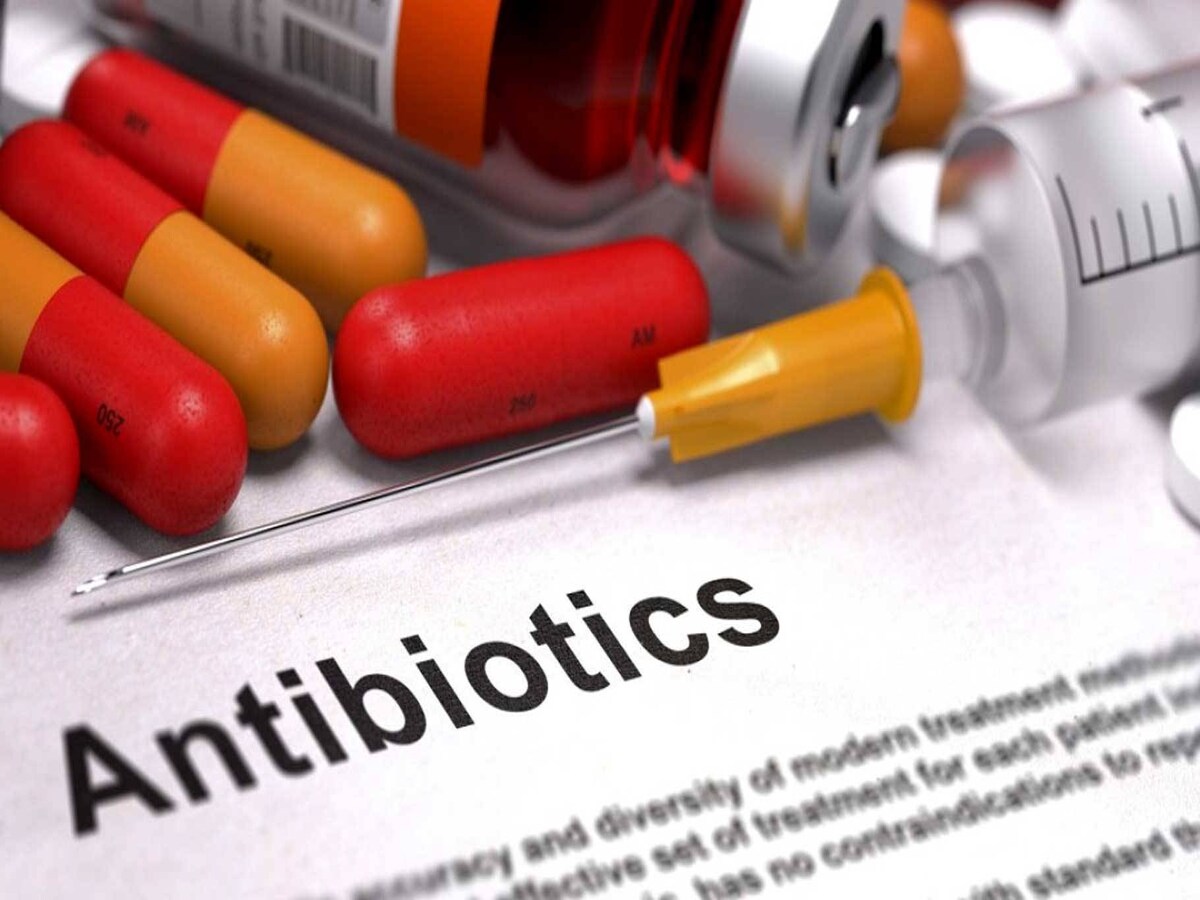
Kathmandu. Antimicrobial resistance (AMR) is spreading as a global health challenge. Due to the indiscriminate use and abuse of drugs, the risk of AMR is increasing as the drugs used against infections become ineffective.
According to the World Health Organization (WHO), bacterial antimicrobial resistance (AMR) was associated with 4.71 million deaths worldwide in 2021, while 1.14 million deaths were directly attributable to AMR. The increasing risk of drug-resistant infections has become a serious challenge for the health sector.
It is estimated that between 2025 and 2050, more than 39 million people will die directly due to AMR worldwide. Its disproportionate impact is seen to be greater in low- and middle-income countries.
Antimicrobial resistance means that drugs used to kill bacteria, viruses, fungi and parasites stop working effectively.
In such cases, antibiotics, antifungal, antiviral and antiparasitic drugs become ineffective and treatment of the infection may be difficult or impossible. According to WHO, wrong storage, distribution, prescription and inadequate monitoring of medicines also increase the problem.
According to experts, excessive and indiscriminate use of antimicrobial drugs is the main reason for this. Acting Director General of Health Services Department, Dr. Krishna Prasad Paudel, says that AMR is spreading as a silent epidemic.
He said that due to the indiscriminate use and abuse of antimicrobial drugs including antibiotics, even the drugs that were considered effective before are no longer working. “The medicine that was effective when we used it yesterday is now becoming ineffective. In some bacteria seen in the ICU, no antibiotic is effective”, he said.
Paudel said that the tendency to sell and use antibiotics without a doctor’s recommendation has increased the risk of AMR. He says that when antibiotics are used unnecessarily and incorrectly, the effectiveness of the drugs to fight infection will decrease and the treatment will become more complicated.
He mentioned that as the effectiveness of the medicine decreases, there will be a situation where expensive medicines have to be used and the risk of treatment failure will also increase. He suggested that indiscriminate use of drugs to control AMR should be stopped. According to him, it is necessary to make health workers, drug sellers and all parties working in the environment sector aware of this issue.
It is also necessary to control the open sale of unregistered medicines and the trend of using medicines without expert advice. “For AMR control, human health, animal health and the environment should not be viewed separately but integrated. According to the ‘One Health’ concept, coordination and cooperation between all sectors is necessary”, he said.
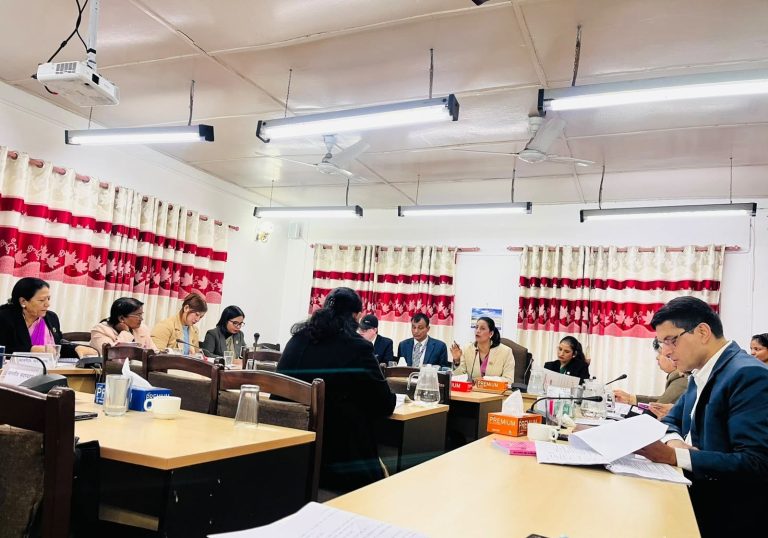
Co-spokesperson of the Ministry of Health and Food Hygiene, Dr Sameer Kumar Adhikari, has said that the Ministry is working on a strategy to prevent the misuse of antimicrobial resistance (AMR).
According to him, there is a high-level coordination committee in the ministry on this matter. Awareness raising and coordinated work is being done on issues such as the use of antimicrobial drugs and the use of them without a doctor’s prescription in the animal sector.
He said that the necessary work has been carried out based on the findings and recommendations of various studies and researches.
According to the study “Situational assessment of the use of antibiotics and its resistance in Nepal” published by the Nepal Health Research Council in 2024, it has been found that 28 percent of patients buy medicine without consulting a doctor.
Similarly, the study showed that 22 percent of patients stop taking the medicine without taking the full amount. According to experts, antibiotics should not be taken without the advice of a doctor or health worker. The prescribed amount of medicine should be completed as recommended by the doctor.
In order to manage the use of antibiotics, WHO recommends that you take the medicine only on the advice of a health professional, complete the prescribed amount, get vaccinated against infectious diseases, practice hand washing and follow safe sexual practices.
The World Antimicrobial Awareness Week, which is celebrated every year from November 18 to 24, is being celebrated this year with the main slogan of ‘One Health, One Campaign: Prevention of Resistance Today’ by organizing various programs in Nepal.