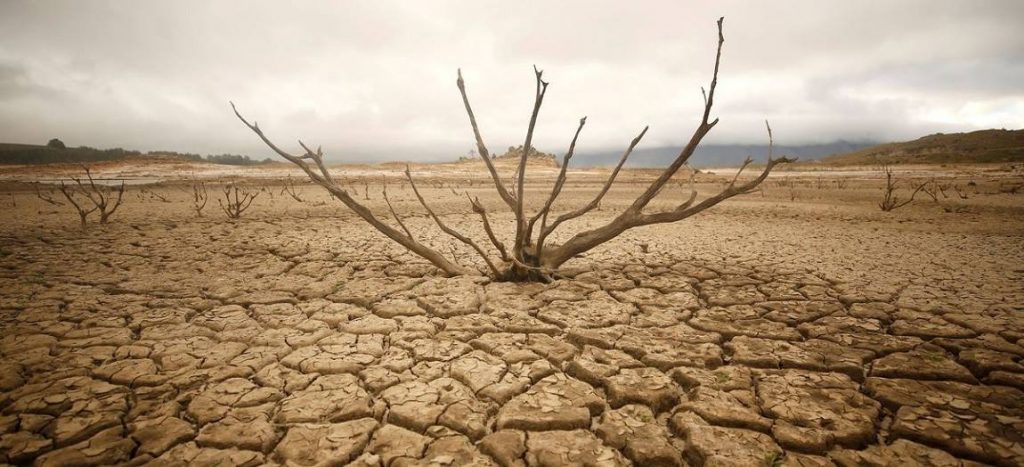
Paris. Due to the strong El Nino that developed this year, the risk of forest fires in Brazil, deforestation in Indonesia and reduced agricultural production in West Africa has increased. United Nations agencies and meteorologists have warned that this will add a serious challenge to food security around the world.
Due to El Nino, which causes an abnormal increase in the surface temperature of the central and eastern equatorial Pacific Ocean, global rainfall, wind and temperature patterns change. This year’s El Nino is expected to reach its peak in December. It is said that its effect may continue till 2027.
More than 5,000 fires have occurred in Brazil’s Para state since the beginning of November. The state has declared a state of emergency due to severe drought and fires. In order to control the fire, there is also a ban on setting fire to clear vegetation and land in the Amazon region. Earlier, Peru also declared a state of emergency due to the risk of floods and landslides related to El Niño.
Forecasters have estimated that production in West Africa’s leading cocoa producer, Ivory Coast, could drop by 21 to 25 percent this year. Due to a 10 to 27 percent decrease in rainfall and a long dry season, there is a risk of premature drying of cocoa beans and falling leaves of the trees. This will affect the income of farmers and export revenue of the country.
Similarly, researchers have said that El Nino has a major role in the fires that have occurred in Indonesia this year. The researchers concluded that El Niño is responsible for the lack of rainfall in Southeast Asia from July to October and climate change has increased the probability and intensity of such a situation by almost three times. Deforestation, exploitation of swampy land and mining activities are also said to have increased the fire. According to the Nusantara Atlas, about 2.9 million hectares of forest area has been affected by fires in Indonesia in 2026.
According to Alexandre de Crewe, head of the United Nations Development Program, taking steps now to reduce the impact of El Niño will cost about 36 billion US dollars. If there is a delay, this cost could increase to 73 billion dollars. He said that not acting on time would be the most expensive option for climate policy.
The United Nations Food and Agriculture Organization has warned that food insecurity will increase due to drought and floods due to El Nino. More than half of the 22 countries at risk are in Africa, while the rest are in Asia-Pacific, Latin America and the Caribbean.
FAO Chief Economist Maximo Torrero has said that El Nino will further weaken the food system in countries facing conflict, economic crisis, high debt and lack of agricultural inputs. He emphasized that not only the food production but also the access to food of the general public may be affected, so it is necessary to prepare in time for the protection of crops, livestock and water resources. -AFP