Antalya (Turkey). The 31st Conference of Parties to the United Nations Climate Change Conference 9 COP-310 continues in the Turkish city of Antalya.
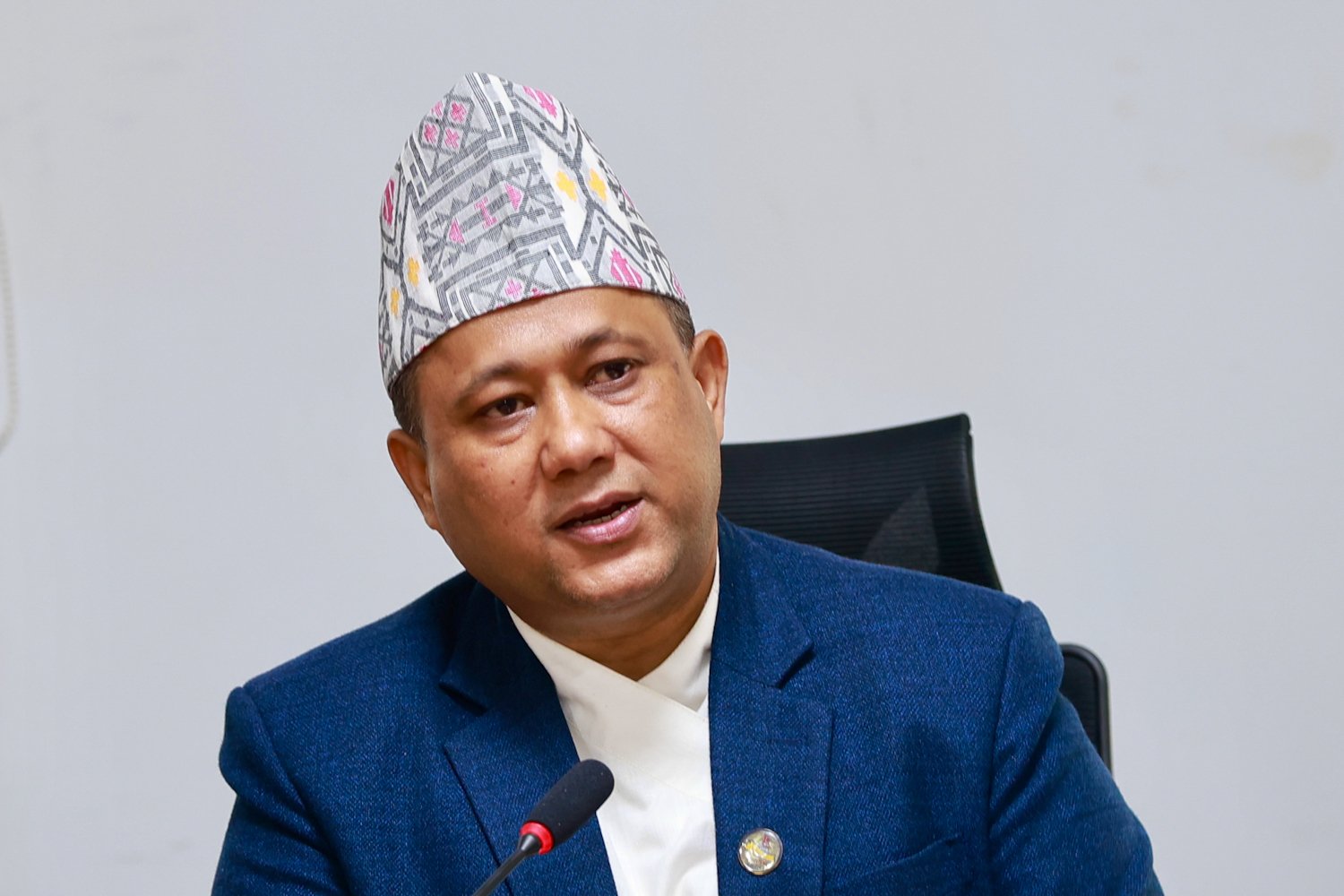
Along with the representatives of the party countries, Nepal is strongly showing its presence in this conference which will be held from November 9 to 20. Foreign Minister Shishir Khanal is leading the conference on behalf of Nepal. In this context, Nepal’s participation in COP-31 and high-level diplomatic activity, efforts to establish the mountain agenda at the center of international climate talks, Nepal’s access to climate finance, climate justice and the priorities of Nepal’s international relations, are excerpts of the conversation held with him at the conference venue by RAS reporter Bhishmaraj Ojha:
How is Nepal’s presence in COP-31? How satisfied are you with the participation of Nepal in various discussions, talks and programs of the conference and the progress so far?
The United Nations process is based on consensus. Each nation’s national interests and group interests are discussed. So naturally they are long, complicated and time consuming. Accepting the reality, we have received a very positive response to the issues raised by Nepal recently.
In the next two weeks of discussions, if Nepal is able to reach some decision on the issue related to the mountains, the need for mountain research related to the limit of 1.5 degrees Celsius temperature increase, the arrangement of climate finance and the dedicated mountain dialogue, it should be considered a significant achievement compared to the previous years.
Nepal has been raising the issue of climate justice for a long time, what initiatives are being taken now to make the availability and mobilization of climate finance effective?
There are mainly three problems related to climate finance. First, according to the commitment expressed by the international community, sufficient financial resources have not been received. Second, the amount pledged is not enough compared to the growing needs of the climate crisis. Therefore, least developed countries including Nepal are demanding to increase the climate finance by at least three times. The third problem is the process of mobilizing climate finance. This process is very long, complicated and complicated. Small and developing countries may not have enough technical capacity to prepare project proposals. Therefore, the process of climate finance mobilization should be simple and predictable.
Due to frequent disasters in countries like Nepal which are at high risk of climate change, necessary resources for adaptation and mitigation should be ensured. It should not be a situation of obtaining finance only by preparing a project proposal every time. Climate finance should be based on subsidies. The amount of debt should be reduced. The financial resources available for adaptation and mitigation should be predictable.
It is also said that during the implementation of the achievements and commitments received from the international conference, in some cases, the cooperation in Nepal has been withdrawn. How much attention has the government paid to the necessary policies, laws and procedural reforms for the mobilization of climate finance?
Recently, the government has been improving the laws, regulations and guidelines. In particular, coordination between ministries and government agencies should be made more effective. In Nepal, not only coordination between ministries, but also cooperation among three levels of government is necessary. Therefore, we have realized the need to strengthen inter-agency cooperation and coordination.
After the recent Bhotekoshi disaster, Nepal has suffered huge human and material losses. How have you looked at the availability of resources and international climate finance for reconstruction?
As you know, more than 1,460 people lost their lives in this disaster. Five thousand people are still missing. Tens of thousands of people are affected. Roads, bridges and hydropower projects have been damaged. Now Nepal is in the stage of restoration. Post-disaster needs assessment. According to preliminary reports, about five billion US dollars are required for reconstruction.
The government has immediately gone through the rescue phase and started the relief and rehabilitation work. Provision of temporary housing for the affected, re-opening of roads and bridges is underway. Large resources are needed for safe reconstruction. We feel that we are not sufficiently capable of providing emergency assistance. Damage and Loss Fund has made a preliminary decision to help. Therefore, more international support is needed for the rehabilitation of the affected communities, hydropower projects, reconstruction of roads and bridges.
What initiatives is Nepal taking to establish the crisis faced by mountain communities due to climate change in the international climate talks?
In the COP process, the existential crisis that small island nations are facing due to climate change has been duly recognized. As the sea level rises, the very existence of that nation is being threatened. But the mountain communities are also in a crisis of existence. The disaster on August 26 also made this reality clear.
Nepal and Bhutan have proposed to include the mountain agenda in the official agenda of the COP. Later, Kyrgyzstan also joined in this matter. During the talks, all the three countries came together and tried to advance the mountain agenda.
This time, the proposal has not been fully included as a new agenda. The organizers of the COP and the chairmanship of the negotiation process have promised to cooperate with us for the next two weeks. Although it is not included in the official agenda, the issue of recognizing the original issue raised by us and including it in the final decision of the COP is being discussed.
A detailed study and research is to be done to understand the real situation of the mountain area. Sufficient information is needed about the melting of snow and glaciers due to global temperature increase, especially in the upper Himalayan region, and the effects of the melting of the ice. It helps to create effective adaptation and mitigation policies. Likewise, there should be a separate program and dedicated financial resources for the mountain areas and their communities.
How do you see the possibility of including the mountain agenda in the final decision of the COP?
It will be an important achievement for us if we can reach a decision on the mountain issue, research on the changes taking place in the Himalayan region, effective arrangement of climate finance and dedicated mountain dialogue in the discussions of the next two weeks. On behalf of Nepal, we will keep the mountain agenda alive.
Finally, would you like to say something more about Nepal’s participation in COP-31 and the talks going on here?
Please convey the news only after understanding the procedure of the complaint. The news should not be conveyed in such a way that if there was no immediate agreement on a matter, nothing happened or no achievement was achieved from the conference. It is necessary to communicate the news by understanding the process of the coup, the reality of the negotiations, the facts and the environment connected with it. I request the media friends to convey the news including the efforts being made to establish the issues raised by Nepal, its challenges and the positive signals received.