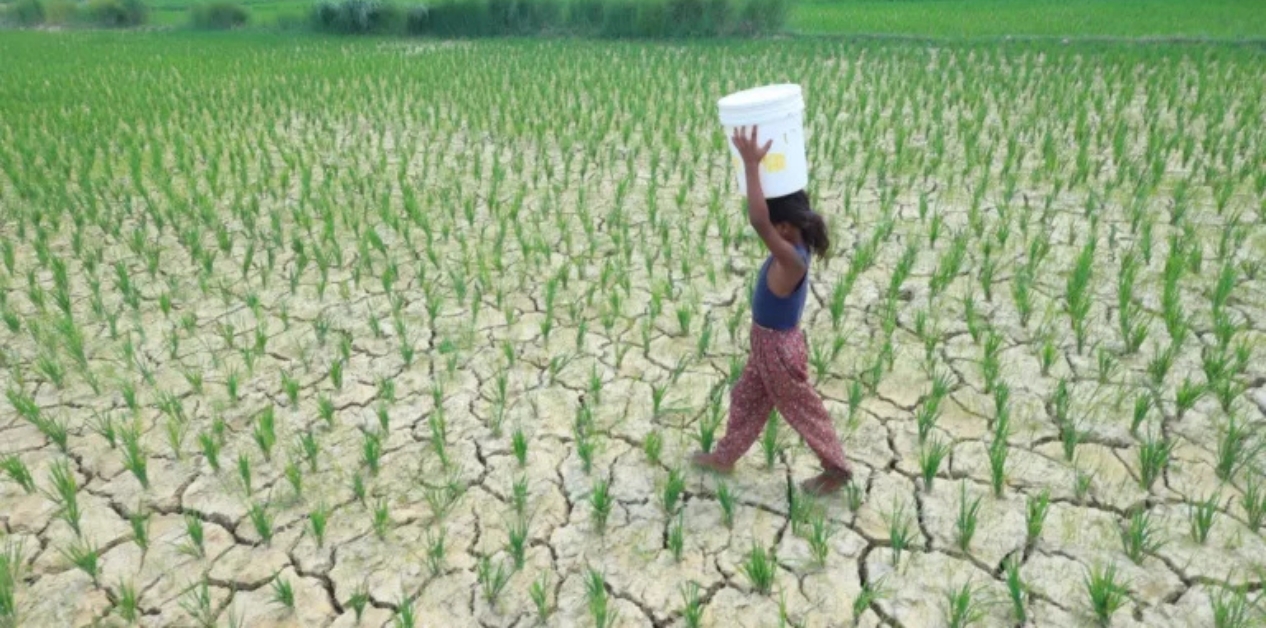
Bangkok. Due to the exceptionally strong El Nino, the risk of floods, droughts and temperature rise has increased worldwide. This has also added challenges to food security. According to climate experts, 2026 is likely to be the second hottest year and 2027 is likely to set a new temperature record.
According to Copernicus, the climate monitoring organization of the European Union (EU), El Nino has accelerated the increase in temperature caused by human activities. According to the organization, the world’s average temperature and sea surface temperature reached a high point in October.
The government has declared a state of emergency in various parts of the country due to the increased risk of flooding in Peru due to El Nino. There, more than 9 million people, i.e. about one-third of the total population, are at risk of floods and landslides. Bolivia had also previously declared a national emergency.
In Asia, there is a growing concern that hydropower production will be affected due to drought. Sri Lanka is expected to face a severe drought in the first six months of 2027, even though it has withdrawn plans to increase electricity tariffs due to the increase in water levels in reservoirs.
Similarly, the Philippines has set aside more than 980 million US dollars to protect the agricultural sector from the effects of El Niño. There, rice production fell by 18 percent in the three months to September as fuel and fertilizer prices rose due to El Nino and the Iran war.
According to Copernicus, there is a 20 percent chance that 2026 will be as hot as 2024 or even hotter. According to AFP analysis, 33 countries set new temperature records in October.
Maximo Torrero, the chief economist of the United Nations Food and Agriculture Organization (FAO), said that due to El Nino, crop production will decrease and the flood will affect food storage and transportation, so the price of food may increase in the world market. He said that low-income families will be more affected as the prices of fuel and fertilizers have increased due to the Iran war. This can lead to reduced food consumption and increased risk of malnutrition.
Although the FAO requested 20 million US dollars to help 22 countries at risk of food crisis due to El Niño, only 20 percent of the required amount has been received.