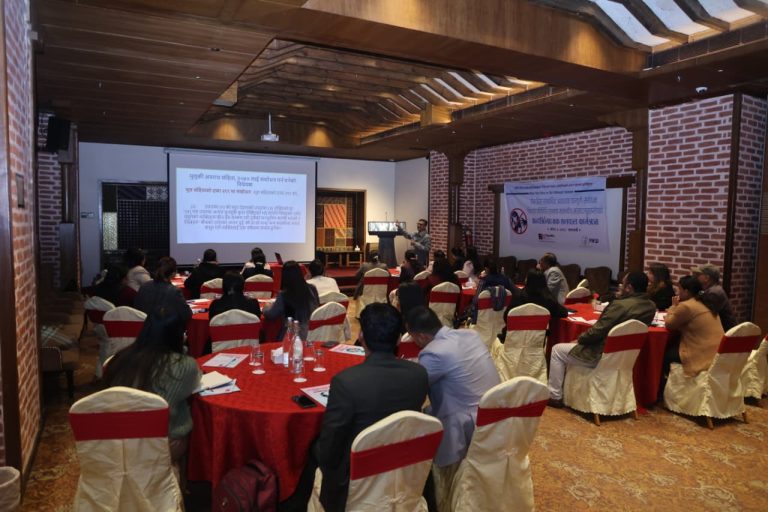
Kathmandu. Climate and health experts say that the global health crisis is deepening as extreme heat, air pollution and climate-related disasters increase due to climate change.
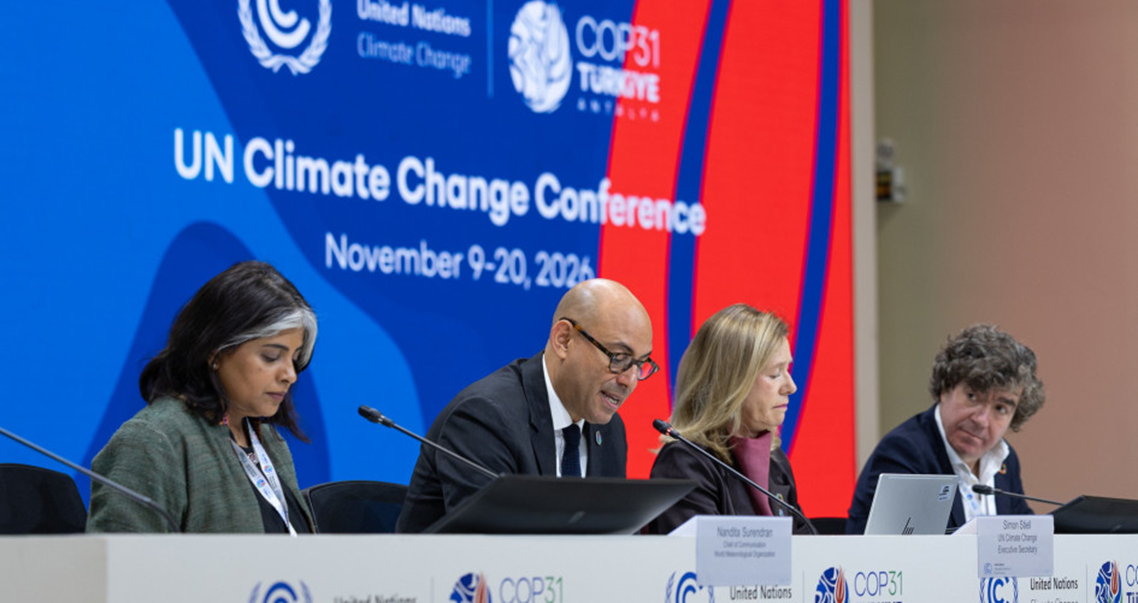
At the press conference held on the occasion of the 31st Conference of United Nations Parties to Climate Change (COP-31) held in Antalya, Turkey, the World Meteorological Organization (WMO) released the 2026 climate report, they said that the climate crisis has reached an epidemic level.
They said that climate change is seriously affecting the health system and infrastructure. At the event, UN Climate Change Executive Secretary Simon Steele said that millions of people in South Asia are at risk of extreme heat and that this year’s Northern Hemisphere summer broke all previous records, killing an estimated 50,000 people in Europe alone.
Climate change is becoming dangerous for many people. A powerful El Nino is causing a double whammy by intensifying the climate impacts. “The climate crisis is now a global health crisis that has reached epidemic levels,” he said.
He said that the impact of climate change on pregnant women, newborns and maternal health is developing as another serious health challenge. He said that the main reason for this is the use of large quantities of coal, oil and gas and the destruction of forests.
Thanking WELCOME, World Health Organization (WHO) and other organizations for contributing to making the issue of climate and health a global priority, he said that new data from a survey conducted on 1,000 health workers working in the maternal health sector revealed the risks of this sector.
He mentioned that this year’s COP conference is focused on promoting practical solutions and bringing direct positive changes in people’s lives. He said that under the guidance of Turkey and Australia, the issue of health has been prioritized again in the conference and the achievements of the COP-30 held in Belem, Brazil, will be promoted.
Informing that the Climate and Health Donors Alliance has provided more than 200 million US dollars so far, he said that additional funds have been collected during the conference.
Mentioning that solutions to the global health crisis are available, he presented the expansion of electrification and clean energy as important solutions. In this climate, nations have a choice – electric energy or energy crisis. “A decision will have to be made whether to restructure the global economy for the electric age or whether families, businesses, governments and health systems will continue to pay the ever-increasing cost of fossil fuels,” he said.
He said that the use of effective electrical technology and clean energy will play an important role in reducing the pollution that increases the temperature of the earth and the increasing expenses of households.
Likewise, the Secretary General of the World Meteorological Organization, Celeste Saulo, said that the scientific evidence of climate change is clear and the world is continuously facing new temperature records.
Mentioning that the report on climate conditions of 2026 brought scientific facts and evidence to the center in the discussion of COP-31, he informed that the last 12 years have been recorded as the hottest years so far. He said that the last four years, including the year 2026, have been the hottest four years so far.
He informed that the average temperature of the world from January to September 2026 is about 1.47 degrees Celsius higher than the average before the beginning of the industrial age. He said that the overall temperature of 2026 could rise further due to a strong El Nino.
He said that since the effect of El Nino is more visible in the global temperature in the following year than the year of its development, 2024 became the hottest year so far and the temperature can set a new record in 2027 as well.
Mentioning that the El Nino of 2026-2027 is exceptional among the events they have monitored so far, he said that from November 2026 to January 2027, the surface temperature of the tropical Pacific Ocean is predicted to be four times higher than the average.
He informed that the global sea temperature has reached the highest level for the tenth year in a row, the sea surface temperature has broken the monthly record in 2026 and the sea level has reached its highest point so far. He said that the risk of about 900 million people living in coastal and lowland areas has increased due to sea level rise.
Mentioning that heat waves, tropical cyclones and rain-related disasters are intensifying compared to the past, he said that in 2026, millions of people are at risk of unbearable heat and ten thousand additional deaths due to extreme heat in Europe alone.
Mentioning that India, Pakistan and large parts of Asia and North America are facing dangerous heat, he said that more risks can be seen when the summer starts in the Southern Hemisphere.
He said that disasters in China and Nepal have shown that low coastal and riverside communities can also be at serious risk due to natural disasters in high mountain areas. He mentioned that while COP-31 was starting, there were devastating floods in some areas of South America and Africa and drought conditions in various countries in Asia, the Pacific region and Central America.
However, he said, climate risk mitigation efforts have started to yield positive results. He informed that the number of countries submitting reports on multi-disaster early warning system will increase from 56 in 2015 to 136 in 2025.
Mentioning that the progress towards achieving the goal of Early Warnings for All will be reviewed at COP-31, he said that such a system is not only the responsibility of the United Nations, but the common responsibility of all mankind.
He said that the quality of meteorological observations, statistics and scientific information should be strengthened to make the early warning system effective. For that, he urged to increase investment in continuous weather observation and data collection in all regions of the world.
“We cannot proceed blindfolded,” he said. He said that since the climate crisis is a challenge connected with existence, it is necessary to take urgent decisions from COP-31 and arrange sufficient financial resources for their implementation.
Alan Dangor, director of climate and health at Wellcome, said the World Meteorological Organization’s report highlighted the high concentration of greenhouse gases in the atmosphere, new records in land and sea temperatures, the melting of sea ice and the seriousness of sea level rise.
Mentioning that no region of the world is untouched by the effects of climate change, he said that human health and people’s lives should be given sufficient priority in the climate negotiations.
Citing the annual report of ‘The Lancet Countdown’, he informed that it is estimated that more than 3 million people will die every year due to air pollution and extreme heat due to the use of fossil fuels and man-made climate change. He said that this has adversely affected the health and prosperity of millions of people.
Noting that in 2025, about 52 percent of the world’s land will be affected by extreme drought for at least one month, he said that it directly affects farmers and workers working in the rural areas. He said that the changing trend of dry and wet conditions in underground water reservoirs has caused serious health problems in food safety and sanitation.
However, he said that solutions to the climate and health crisis are available. He noted that in at least 77 countries where air pollution from fossil fuels has been reduced, more than 300,000 lives have been saved each year due to cleaner air.
He said that the use of electrification and clean energy will save human lives as well as reduce health care costs, the heat warning system will help prevent deaths from weather disasters and investing in climate adaptation measures now can prevent huge economic and human losses in the future.
Informing that Wellcome established the Climate and Health Financing Alliance at the COP-30 held in Belem, Brazil together with more than 35 charitable organizations, he said that a joint commitment of 300 million US dollars was received for the alliance at the initial stage.
He informed that the alliance has provided more than 225 million US dollars for work on extreme heat, air pollution, climate-sensitive infectious diseases and data systems in the first year. In addition, he said, an additional US$150 million has been pledged from new and old donors.
He emphasized on the need to increase cooperation and investment between the government, private sector and charitable organizations by giving priority to the communities most affected and at risk by climate change.
He said that especially children, pregnant women, outdoor workers and senior citizens are at high risk of climate change, so effective policies, plans and data systems are necessary for their health protection.
Climate has actually become the biggest indicator of human health. Climate talks should be taken seriously as if people’s lives depend on it, because indeed people’s lives depend on it,” he said. Rasas