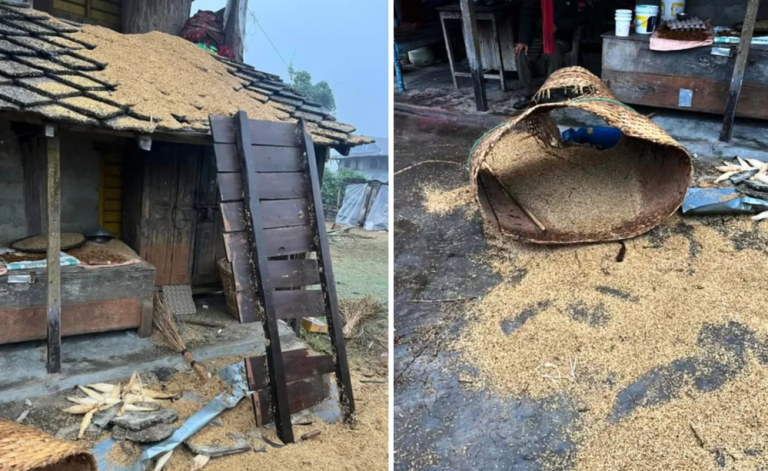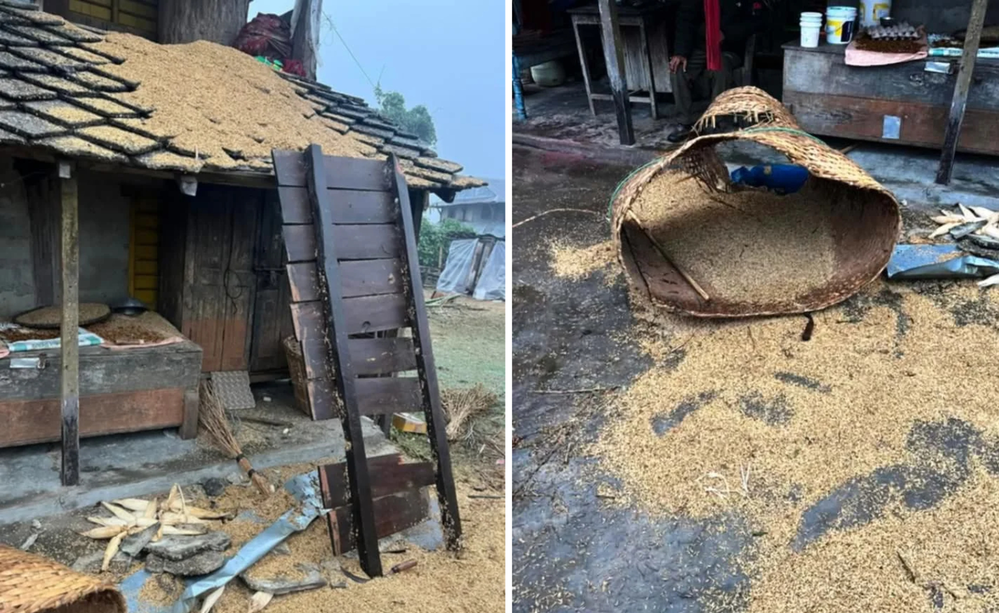
Parsa. The wild animals of Parsa National Park have entered human settlements and damaged people’s property and food crops. Along with the central area of the park, there are also incidents of wildlife entering and causing damage to other nearby human settlements.
Despite the fact that the park has been distributing lakhs of rupees in relief and compensation every year for the damage caused by wild animals, the human-wildlife conflict has not been reduced. According to the park office, up to the end of October of the current financial year, Rs.
There were no incidents of human casualties from wildlife during this period. Conservation and information officer of the park, Manoj Mandal, informed that the relief money was distributed based on the assessment of damage to livestock, households and food crops.
In the last financial year, in 255 incidents caused by wild animals, 26 lakh 58 thousand 468 rupees were distributed as compensation to the victims. According to the nature of the damage, there were 187 cases in which the most damage was done to grain crops.
Likewise, there are 60 cases of damage to livestock, two cases of damage to houses, two cases of damage to stored grain and one case of chickens being killed. One case of minor injuries and one case of serious injuries are also mentioned in the park’s statistics.
Figures from the park office show that damage from elephants and wild boars is high. In the last financial year, there were 78 incidents from elephants alone. There were 69 incidents from wild boar and 50 from leopards. There were 26 incidents from Nilgai and 18 from Bandar.
There are 10 incidents from tigers, two from rhinos and one each from bears and pythons. According to the species of wildlife and nature of damage, the park has kept separate data. The incident and the amount of compensation mentioned in both these details are the same.
Therefore, it is not possible to calculate the total number of incidents by adding the number of incidents according to wildlife and the number of incidents according to the nature of damage. According to statistics, the damage caused by elephants, wild boars and leopards is significant.
The residents of the central region have been affected by damage to crops and attacks on livestock, especially during farming. When wild animals enter the settlements, the locals have to bear the loss of crops and livestock and in some cases there is also a risk of human loss.
Human-wildlife conflict remains a challenge due to wildlife habitat, availability of food, proximity to human settlements and agricultural land, and wildlife movement. Even in the settlements outside the central area of the park, the wild animals reach and cause damage. Along with wildlife protection, protecting the people and livelihood of the local residents has become equally challenging for the park management.
Although the park assesses the damage caused by wildlife and distributes relief and compensation, it only works to provide financial support to the victims after the damage. Conflict control appears to be difficult without effective measures to prevent the entry of wild animals into settlements, take precautions in risky areas and minimize potential damage.
According to the board, the park office has been keeping a record of the damage caused by wild animals and distributing relief to the victims according to the prescribed procedure. Along with the responsibility of protecting wildlife, managing the risks arising from them in human settlements has also become a major challenge for the park.