

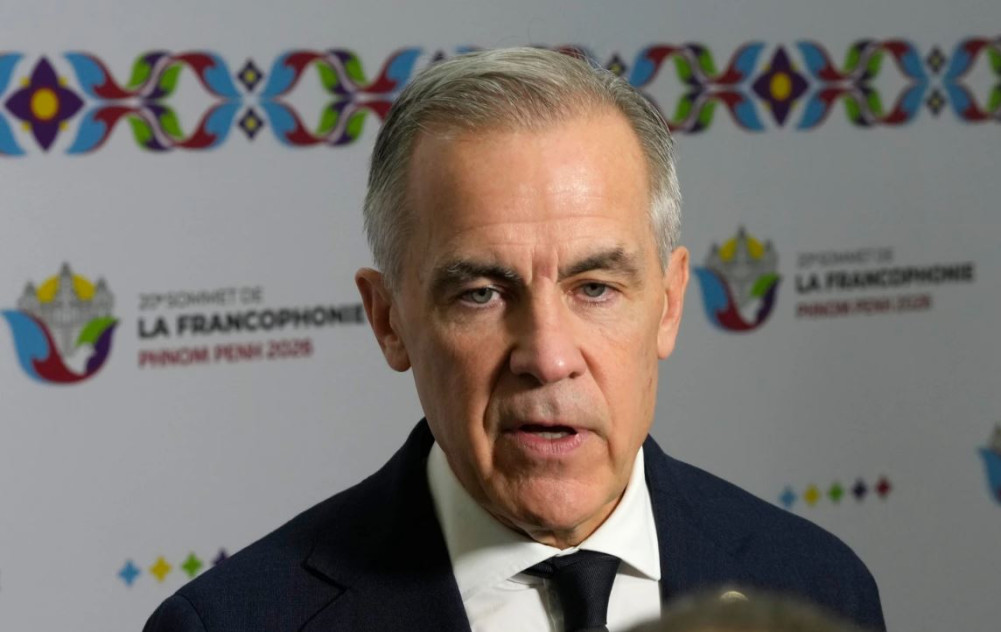
No penh. Canadian Prime Minister Mark Carney has said that if the protection of Canada’s auto industry is not ensured through trade negotiations with US President Donald Trump, it is possible to cooperate with vehicle manufacturers in other countries, including China.
Speaking to reporters in Cambodia on Monday, he said that although negotiations with the US are his priority, the outcome will decide whether to cooperate with European, Chinese or Japanese companies. He says the integrated auto industry between Canada, the US and Mexico has been affected by US trade policies.
According to Carney, Chinese investment in Canada should not be limited to making vehicles with imported parts. He emphasized the need to develop manufacturing hubs, jobs, fair labor standards and indigenous supply chains in Canada.
He says that important Canadian minerals used in electric vehicles (EVs) should also be included in the production. Last January, Canada reduced customs duties on Chinese electric vehicles from 100 percent to 6.1 percent.
Initially, according to the agreement to allow the import of 49,000 vehicles annually, China also promised to reduce taxes on agricultural products, including Canadian canola. Carney expects the deal to bring in Chinese investment and create jobs.
But Ontario Premier Doug Ford has criticized the deal, saying the entry of Chinese electric vehicles could put Canadian jobs and access to the U.S. market at risk. US companies Ford, General Motors and Stellar have factories in all three countries and their production depends on cross-border supply chains.
President Trump has been pushing auto companies to move production from Canada to the US. Canada has threatened to sue the company after Stellantis recently decided to move production of the Jeep Compass from Ontario to Illinois.
It is expected that the Chinese auto industry will be discussed in detail in the meeting with President Xi Jinping in Shenzhen this week. Carney said earlier on Saturday that although there has been some progress on the trade agreement with Trump and the US top officials, there are still some differences. RAS/AP



