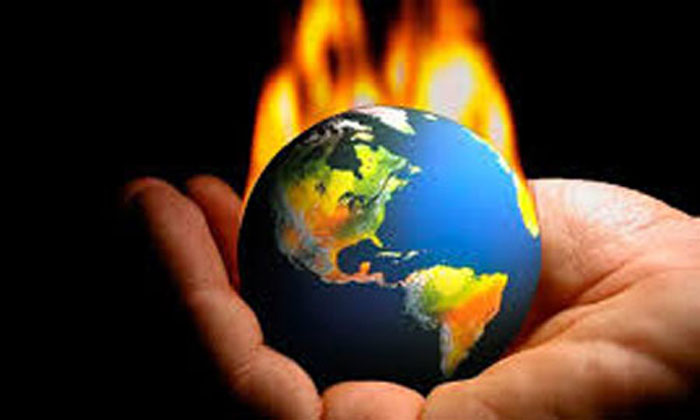
Antalya, Turkey. This year’s United Nations Climate Conference (COP-31) is divided on the goal of limiting global temperature increase to 1.5 degrees Celsius. Confusion has increased among nations about the 1.5 degree limit, which has been the main goal of climate change control for a decade.
The United Nations announced last September that the global temperature will rise above 1.5 degrees Celsius compared to the pre-industrial era and is now imminent and unavoidable. So far, the average temperature of the earth has increased by about 1.4 degrees Celsius.
At the ongoing COP-31 conference in Antalya, Turkey, some countries have taken the position that the target of 1.5 degrees should be maintained. Especially the small island nations that are directly at risk of climate change have seen it linked to their existence.
The president of Palau, located in the Pacific Ocean, Surangel Whipps Jr., said that the 1.5 degree target is related to his country’s food security, economy and sovereignty.
According to the details of negotiation priorities released by Australia, some countries have demanded that 1.5 degrees should still be accepted as the correct target in the final agreement. However, it is said that some countries are trying to remove this goal from the agreement. It includes the Arab group, which includes countries including Saudi Arabia and India, and a group of like-minded developing countries, according to sources related to the talks.
According to Greenpeace representative Jasper Inventor, some developing countries are worried about further pressure to reduce emissions without financial support.
Meanwhile, outgoing UN Secretary-General Antonio Guterres has said that even if the temperature rises above 1.5 degrees, this situation should last as short as possible.
According to scientists, risks such as severe floods, heat waves and permanent destruction of Muga rocks will increase once the limit of 1.5 degrees is crossed. According to Pierre Friedlingstein, a climate scientist at the University of Exeter, reducing the temperature back to 1.5 degrees will require a drastic reduction in emissions, as well as extensive use of tree planting, wetland conservation and new technologies. He said that this goal is not impossible but very challenging. -AFP