Lamjung. Pushpa Shrestha of Benisahar Municipality-8 remembers her brothers as Tihar approaches. She has been in Dubai for three years due to employment and has not been able to see her brothers during this period.
“Even though I wanted to return home this year and apply tika, I was not able to do so. It has been many years since I have been able to apply Bhitika to my brothers,” she said. This year I thought that I would be able to return home and get vaccinated, but this time it was not possible.
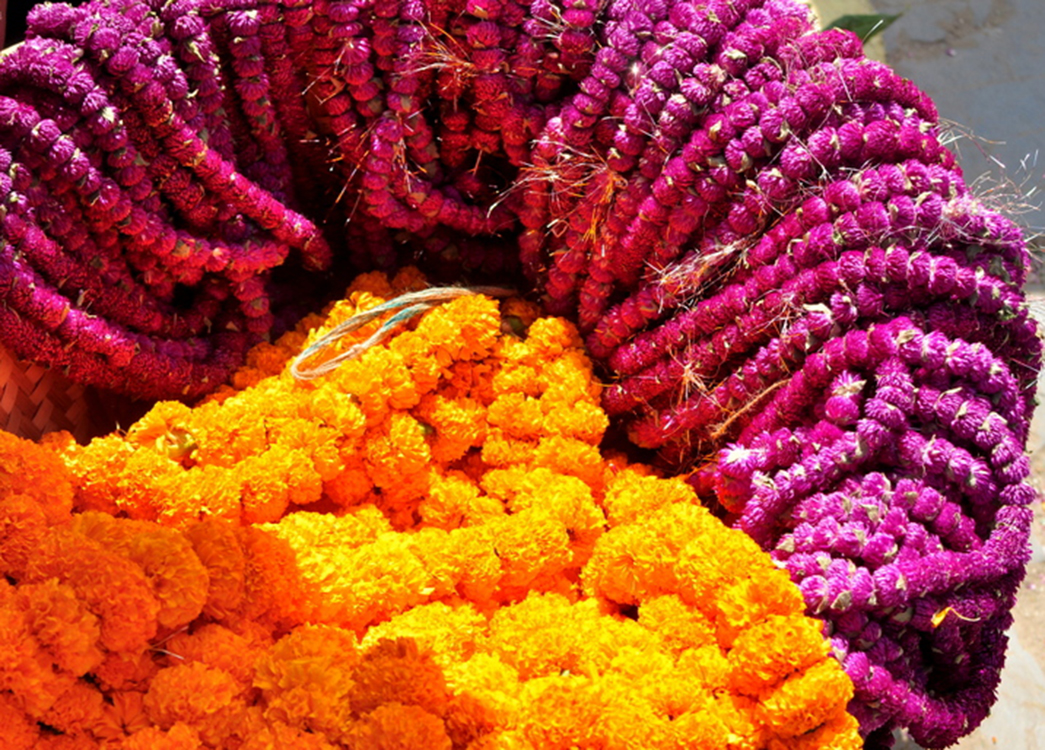
Tihar is a festival of light, joy and intimacy in Nepali society. Celebrated on the last day of this festival, it is considered to be a symbol of love and unbreakable relationship between brothers and sisters. It is a tradition for sisters to wear seven-color tika and velvet garland to wish their brother long life, good health and happiness and prosperity.
But for many Nepalese who have gone abroad due to employment and family responsibilities, the exchange of memories and greetings has started to be limited to the exchange of memories and greetings rather than the direct meeting of brothers. “When the festival comes, I remember a lot of my family and brothers. Even though I was not able to see them directly, I have sent my best wishes and blessings to remember them from afar”, she said.
Amrit Ghimire of Dordi rural municipality has the same experience. He has been in India for three years for employment. During this period, it has been many years since I was able to wear Bhitika with my sister. “I haven’t been able to wear tika with my sister for three years. I feel very uncomfortable when my forehead is bare when I see others wearing Bhitika,” he said.
He says that at home, the family members watch the scenes worn by Bhaiti through their mobile phones and talk to each other to make sense of it. Since he will not be able to participate directly this year too, he is thinking of sharing the joy of the festival by connecting with his family through video call.
Purna Shrestha from Bensi Sahar, who has been living in the US for eight years, has not been able to wear a bhaitika from her sister during this period. He said that he came to America with the aim of working and building the future of his family, because he could not return to Nepal due to various reasons, but every year during Tihar, he is haunted by the memories of his sister and his family.
He said, “When Tihar comes, I remember a lot of my sister. I haven’t been able to receive tika from her hands for years. When I remember my culture and traditions, I remember the old days when I celebrated Tihar with my family. Like me, many brothers and sisters have to stay away from their families because of their jobs”, he said.
The brotherhood of Dhanlal Shrestha of Bensi Sahar, who is in Nepal, has also been incomplete for three years. My sister, who went abroad for work, promised to return after two years but has not been able to return home after three years.
He used to get tika from his own sister’s hand only, because he didn’t want to get tika from anyone else’s hand, he has been keeping his forehead bare for three years. “My sister, who went abroad saying she would come back after two years, has not returned even after three years have passed.”
I am a person who has always been inoculated by my own sister. He did not want to be inoculated by anyone other than him. So I haven’t worn it yet.
“This year too, my forehead will remain empty. After my sister returns, I am waiting to be vaccinated by her next year”, he said. Similar experiences reflect the changes brought about by foreign employment and migration in the way Nepali families celebrate festivals.
On the one hand, there are brothers and sisters who have gone abroad with the dream of improving the family’s financial situation, and on the other hand, there are relatives who are waiting for them at home. Some of them are continuing the tradition of fraternity by having relations with religious brothers or religious sisters due to the lack of close relatives.
In Bhaitika, it is a tradition for sisters to wish their brothers long life, happiness and prosperity, and complete rituals such as seven-color tika, velvet garland, walnut, vimiro and oil ghera. With the development of technology, relatives who are far away communicate and exchange greetings through video calls.
But technology has not been able to take the place of the direct feeling of getting a tattoo on the forehead from the hands of sisters and celebrating the festival with the family. Even though jobs and family responsibilities have made them geographically distant, the intimacy between brothers and sisters has not weakened.
For some, this year’s brother-in-law will be limited to video calls, while for some, their foreheads will be empty waiting for their sisters. Even though they are far apart, their love, good wishes and blessings for each other are keeping their relationship alive.