

Kathmandu. With the aim of making the process of sending Nepali workers to Malaysia more orderly, transparent, safe and accountable, the Malaysian government has decided to continue the arrangement regarding the selection of the principal recruitment agency implemented under the Foreign Workers Centralized Management System.
The Ministry of Human Resources of Malaysia clarified the decision in an official letter addressed to Ramji Yadav, Minister of Labor, Employment and Social Security of the Government of Nepal on October 6, 2026.
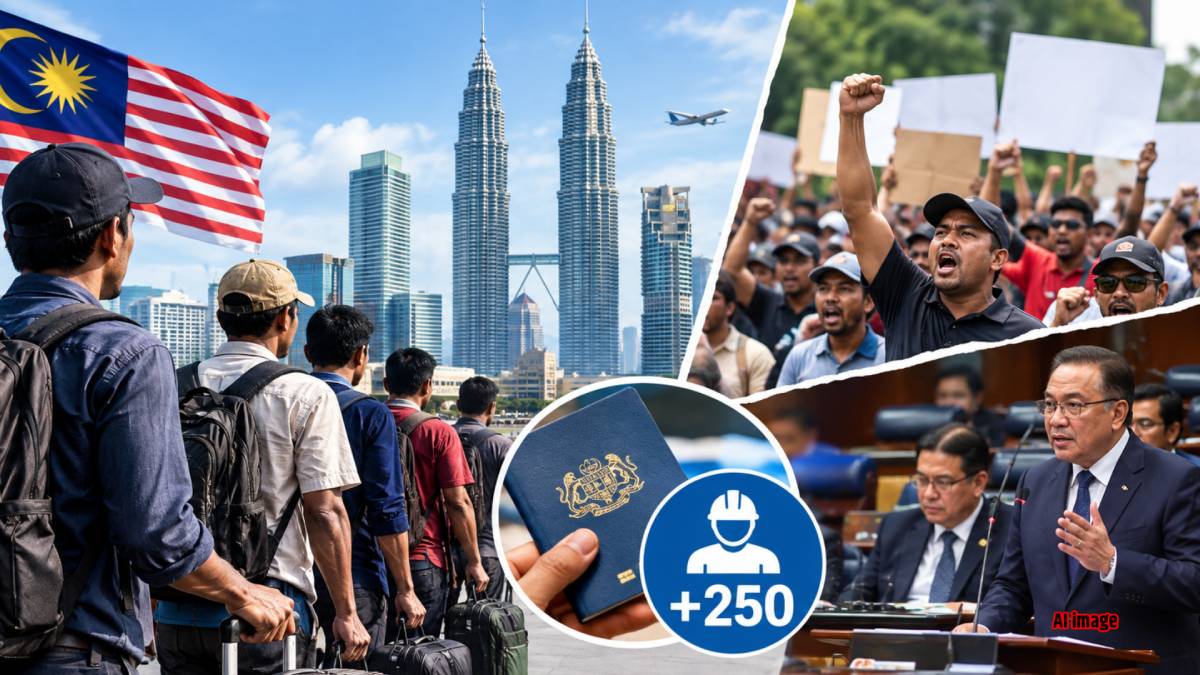
According to the letter, the Malaysian government has decided to select 25 principal recruitment agencies under the Foreign Workers Centralized Management System and to retain up to 10 associate/supporting recruitment agencies for each of those principal agencies. Accordingly, the structure of 25 principal agencies and their maximum of 250 associate/supporting agencies will be maintained.
Considered on Nepal’s proposal, but Malaysia stuck to its own decision
The Minister of Human Resources of Malaysia has mentioned in his letter the diplomatic note sent on 11 September 2026 through the Ministry of Foreign Affairs of Nepal and the telephone conversation between Nepal and Malaysia on 24 September 2026.
The Government of Nepal requested Malaysia to reconsider the currently implemented policy under the Foreign Workers Centralized Management System and list all 1,114 active and licensed manpower companies in Nepal as Principal Recruitment Agencies. The government of Nepal also presented Nepal’s existing Foreign Employment Act, 2064 (year 2007) and the Memorandum of Understanding between the two countries in 2018 as a basis.
However, it is mentioned in the letter that after discussing and consulting with the Cabinet of Malaysia, the government has decided to continue the current recruitment structure. Along with this, the arrangement of 25 principal agencies and up to 10 associate/supporting agencies for each has been established as the current decision of the Malaysian government.
The Malaysian government has stated that the rights, safety and welfare of Nepali workers can be more effectively protected through the selected principal agencies and their designated associate agencies. The letter mentions that the main purpose of this system is to reduce the risk of unethical recruitment practices, contract changes, excessive fee recovery and exploitation of workers.