Kathmandu. Skill-based education, artificial intelligence, information technology and useful education will be given priority in the school curriculum.
The task force formed for the revision of the ‘School Level National Curriculum, 2076’ has prepared to include practices like ‘Bagless Day’ and ‘Book Free Friday’, moral education based on national values, sports science, health and welfare, climate change, use of language and information technology and its ethical aspects in the curriculum.
According to the decision of the 98th meeting of the National Curriculum Development and Evaluation Council on May 22, a 19-member working group was formed under the coordination of the then Dean of the Faculty of Education of Kathmandu University Prof. Dr. Balchandra Luintel and the revision process was started.
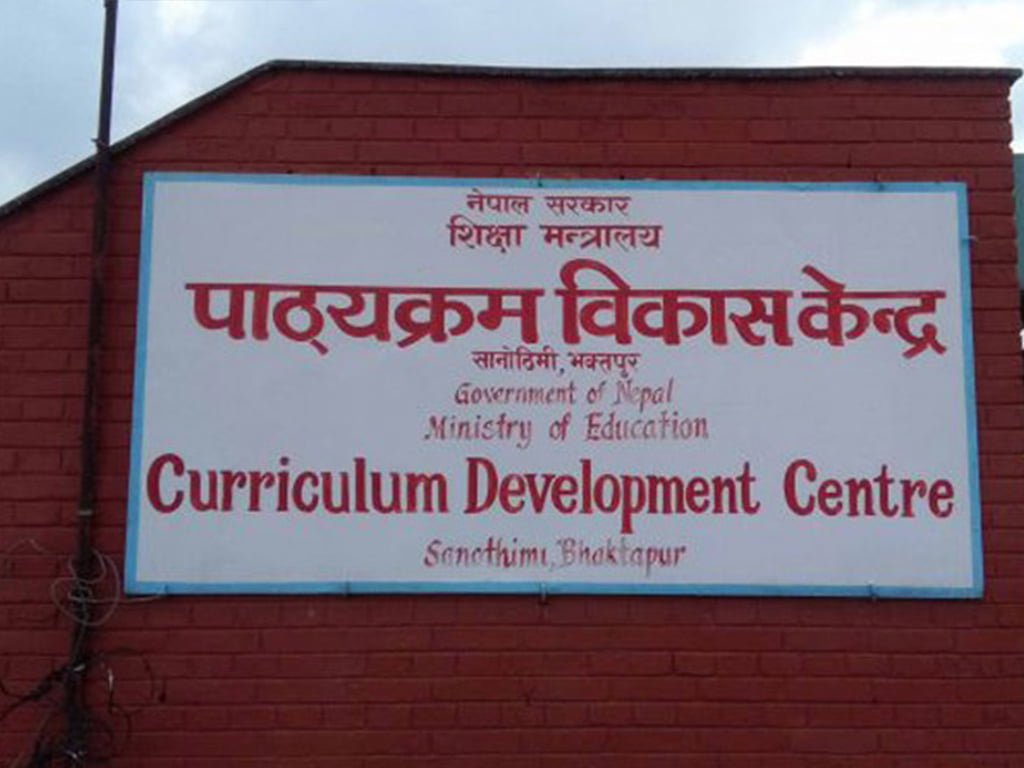
Mahendra Parajuli, member secretary of the working group and executive director of the Curriculum Development Center, said that the participation of the widest range of stakeholders has been ensured during the revision of the curriculum format. According to him, about 150,000 suggestions have been received so far through various means. He said that the curriculum format will be revised to address the current needs and aspirations of future generations.
The task force will prepare the syllabus from Early Childhood Development to Class 12. Based on the revised format and suggestion report, a new curriculum will be developed and formulated.
For revision, 12 thematic groups have been formed and a working paper has been prepared. These groups have collected suggestions through discussions with stakeholders, on-site studies, websites, electronic media, professional and institutional associations and various forms.
During the revision of the draft, the role of state and local levels in the federal government system, social and political change, digital transformation, youth aspirations, inclusiveness, climate change, disaster management, study credit, teaching method and evaluation system have been covered as major topics.
According to the center, revision of the curriculum format, policy commitments of the government, global educational trends, research and evidence, analysis of the current situation and extensive consultation with stakeholders have been made the basis of the revision.
In discussions with educationists, suggestions have been received to give priority to practical and job-oriented education, removing duplication of curriculum and content, digital literacy and artificial intelligence, improvement in evaluation system, teacher support system, professional guidance, professional education and ethical and value-based education.
Similarly, making sports an integral part of education from the school level, student counseling and welfare, and teacher preparation and professional development have also been pointed out as important aspects of curriculum reform.
Vasudev Kafle, an expert in the field of education, suggested that the evaluation system should be based on real learning, inclusive, multi-method and stress-free. He said that teacher preparation and support system should be made effective in addition to developing an evaluation system that trusts teachers.