Kathmandu. The government has started the process of preparing a new energy mix pattern according to the target of producing 30,000 megawatts of electricity within the next 10 years.
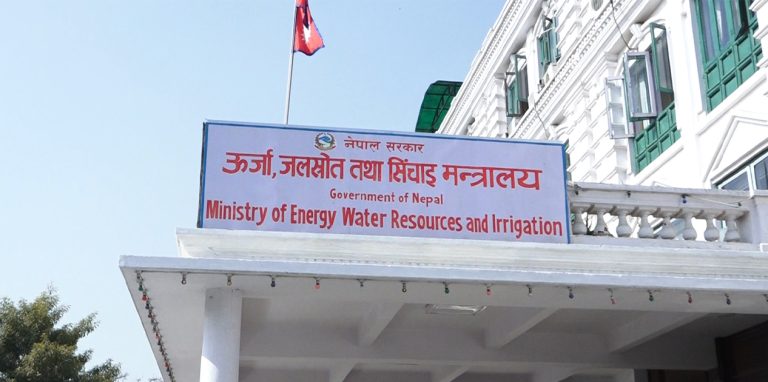
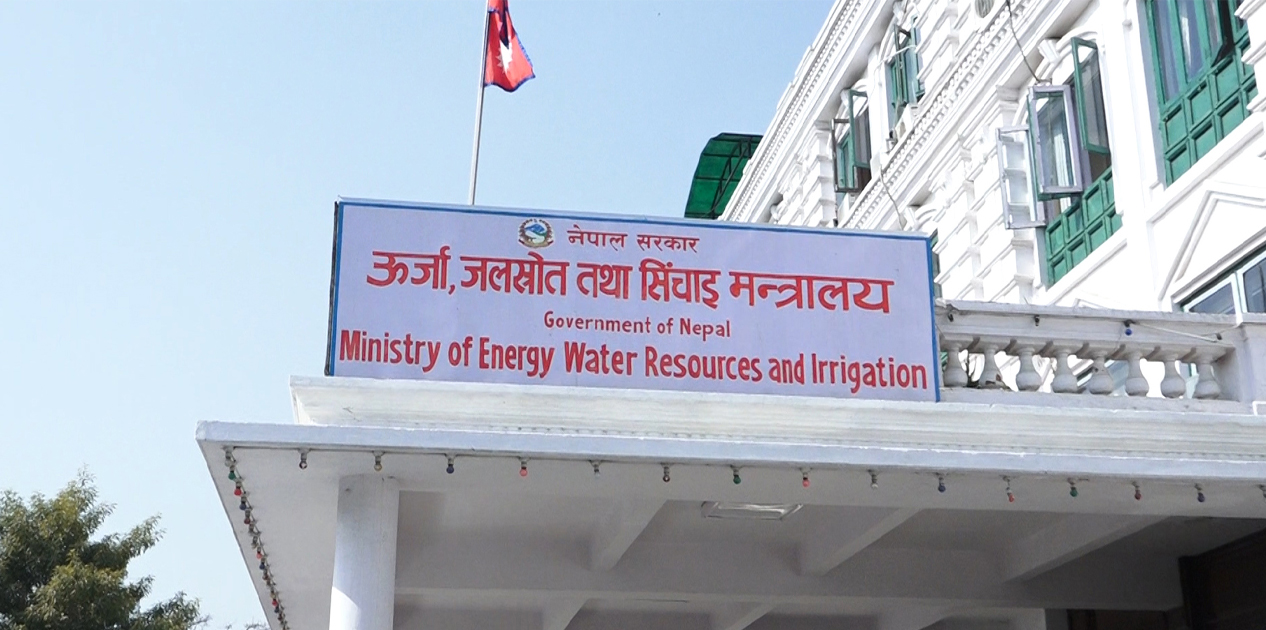
The Ministry of Energy, Water Resources and Irrigation has started making a new framework to determine the ratio of electricity produced from hydropower, solar, wind and other alternative energy sources.
According to the private secretariat of the Minister of Energy, Water Resources and Irrigation, Birabhakt Shrestha, it will be easy to resume the power purchase agreement (PPA) process, which has been affected for a long time, after the new energy mix framework is prepared. The new framework will set the basis for what kind of energy projects will be needed in the next decade.
The share of electricity generated from river flow, semi-reservoir, reservoir, pump storage, solar, wind and other alternative energy sources will be determined in the framework being prepared by the Ministry of Energy. This will prepare a blueprint for the country’s long-term energy needs and production structure.
Currently, Nepal’s total connected electricity production capacity is 4,200 megawatts. A large part of the production is being obtained from the river flow hydropower projects. As such projects generate more electricity in rainy season and less in winter, diversification of energy sources is necessary to reduce seasonal imbalance.
Earlier, the energy mix was determined based on the target of 15,000 megawatts of electricity generation. Now that the government has set the target of 30,000 megawatts of production, it is going to make a new pattern with the conclusion that the old ratio cannot meet the long-term needs.
The National Energy Crisis Prevention Policy and Electricity Development Decade (Year 2016-2026) released in 2016 determined the ratio of electricity generation from different sources for the first time. The policy aimed to maintain the share of reservoir and pump storage projects at 40 to 50 percent and the share of semi-reservoir projects at 15 to 20 percent.
Later, according to the 15,000 megawatt production target, the share of reservoir and pump storage projects was determined to be 30 to 35 percent, 25 to 30 percent of river flow projects, 30 to 35 percent of semi-reservoir projects and 5 to 10 percent of other alternative energy. About 10 percent share was also proposed for solar energy.
In June 2079, after the Council of Ministers increased the share of river projects to 40 to 45 percent, the power purchase agreement process was also proceeded accordingly. After that, the Board of Directors of Nepal Electricity Authority approved the power purchase agreement for the river project up to 1500 megawatts.
The power purchase agreement process was further affected when the ‘take and pay’ system was implemented in the river project through the last financial year’s budget. Since then, along with the river flow, the power purchase agreement for semi-reservoir projects has also been stopped.
According to the authority, so far 6,713.44 megawatts of electricity have been signed with 404 river projects, 4,186.81 megawatts with 51 semi-reservoir projects and 140 megawatts with one reservoir project.
Due to lack of power purchase agreement, financial management necessary for project development is being affected. As banks and financial institutions seek to ensure the sale of electricity, the electricity purchase agreement is considered the main basis for raising investment for project construction. Therefore, it is expected that the new energy mix will facilitate the process of power purchase agreement and also help in private sector investment, project construction and job creation.
Alternative energy sources are also planned to be included in the new energy mix. Earlier, Nepal’s electricity generation plan was mainly focused on hydropower. Although the share of solar energy is expanding recently, the production from wind energy is negligible. Due to high dependence on hydroelectricity, production decreases in winter and electricity needs to be imported from India for demand management.
In order to reduce such dependence, solar, wind and other alternative energy sources have been prepared to be included in the national energy system. The ministry is studying the potential and production capacity of those sources.
A balanced energy mix is expected to help manage power supply in both rainy and winter seasons. Especially reservoir and pump storage projects can store energy and manage supply according to demand. Similarly, the development of solar and wind energy will help to increase the diversity of production sources and time.
After the new energy mix framework is prepared, the Nepal Electricity Authority will be able to proceed with the power purchase agreement process based on the nature and requirements of the project. It is expected that thousands of megawatt capacity projects awaiting investment will enter the development stage.
Expansion of generation capacity alone will not be enough to achieve the target of 30,000 MW generation. Increasing domestic electricity consumption, expansion of transmission infrastructure and international electricity trade should also be promoted together. In addition to ensuring the availability of electricity according to seasonal demand, expanding the export market is also a challenge.
It is expected that a balanced energy mix will help to increase exportable electricity production while Nepal is expanding the possibility of electricity export to Bangladesh along with India. This will also increase the opportunity to earn foreign currency through electricity trading.