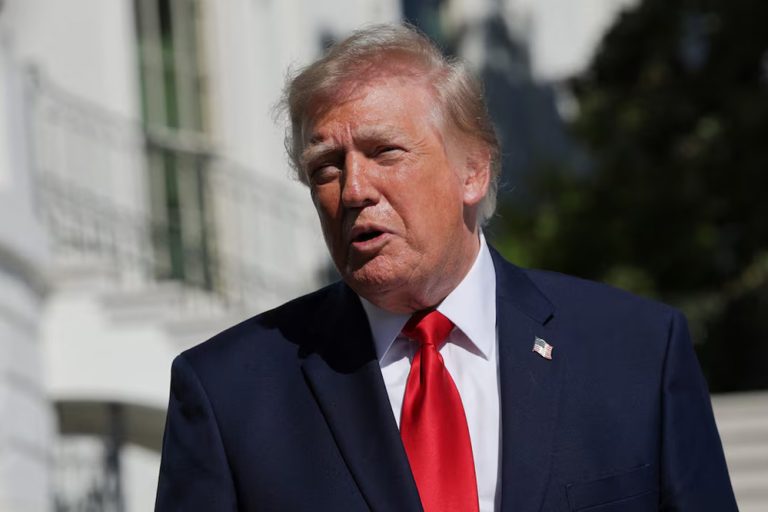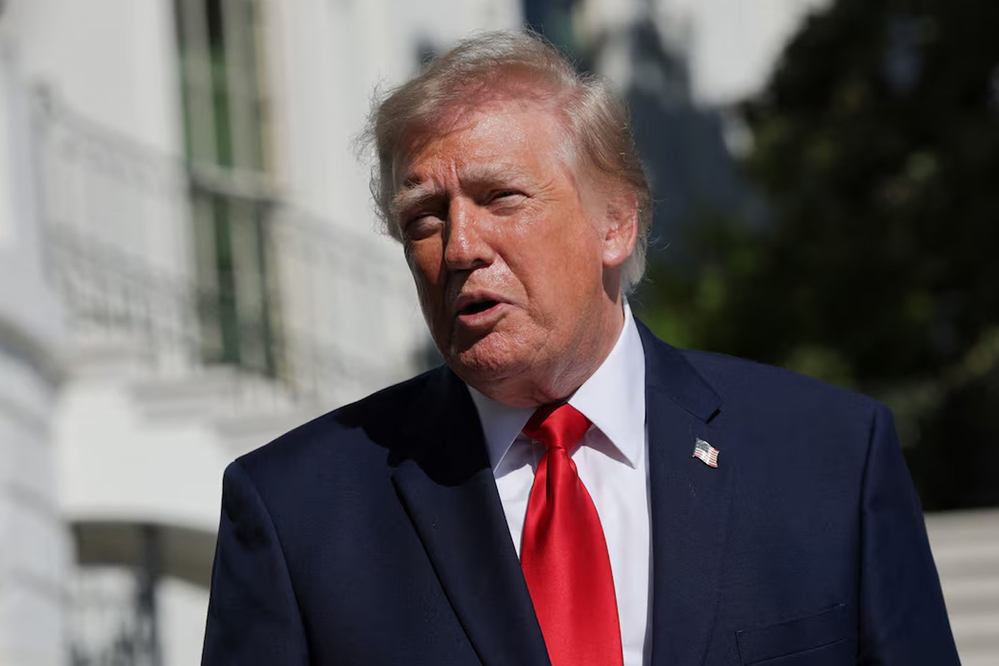
Kathmandu. US President Donald Trump has announced the imposition of new customs duties on goods imported from 14 countries and regions, including China and the European Union.
Among the proposed tariffs, the maximum tariff will be up to 40 percent on China, 35 percent on Vietnam and 20 to 25 percent on other countries. The new fee is expected to be implemented from next year.
The White House launched an investigation into the trade practices of other countries last March after the US Supreme Court declared the “Liberation Day” tariffs announced by Trump to be illegal. After the investigation, the new charges were announced.
The new tariffs are proposed to apply to China, the European Union, Singapore, Switzerland, Indonesia, Malaysia, Cambodia, Thailand, South Korea, Vietnam, Taiwan, Bangladesh, Japan and India, according to the BBC.
US Trade Representative Jameson Greer claims that the new tariffs will create a level playing field for American workers and move the world economy in a more sustainable direction.
He alleged that the industrial strategy and market influencing practices adopted by America’s trading partners for decades aimed at production, wages and labor management are weakening the American manufacturing base and favoring the balance of trade.
Customs duty is a tax levied on goods imported from abroad. Generally, such tax is determined on the basis of a certain percentage of the value of the goods and the businessmen who import goods from abroad submit it to the government.
However, some of the proposed tariffs could be effectively lower due to tariff caps Trump has agreed with some countries. Fee rates will also vary for different countries.
Economists have warned that customs duties may increase inflation and when import costs increase, the cost of goods may increase as businessmen shift the burden to consumers. They have said that such a policy can also bring contraction in world trade.
Trump has repeatedly threatened to impose or impose tariffs during his second term. He claims that the tariff policy has been advanced with the aim of increasing American production and creating jobs.
Despite the poor results of the Republican Party in the midterm elections, Trump has continued his major trade policies. Trump has also set the goal of reducing the trade deficit, i.e. the difference between the price of goods imported from other countries and the price of goods exported.