

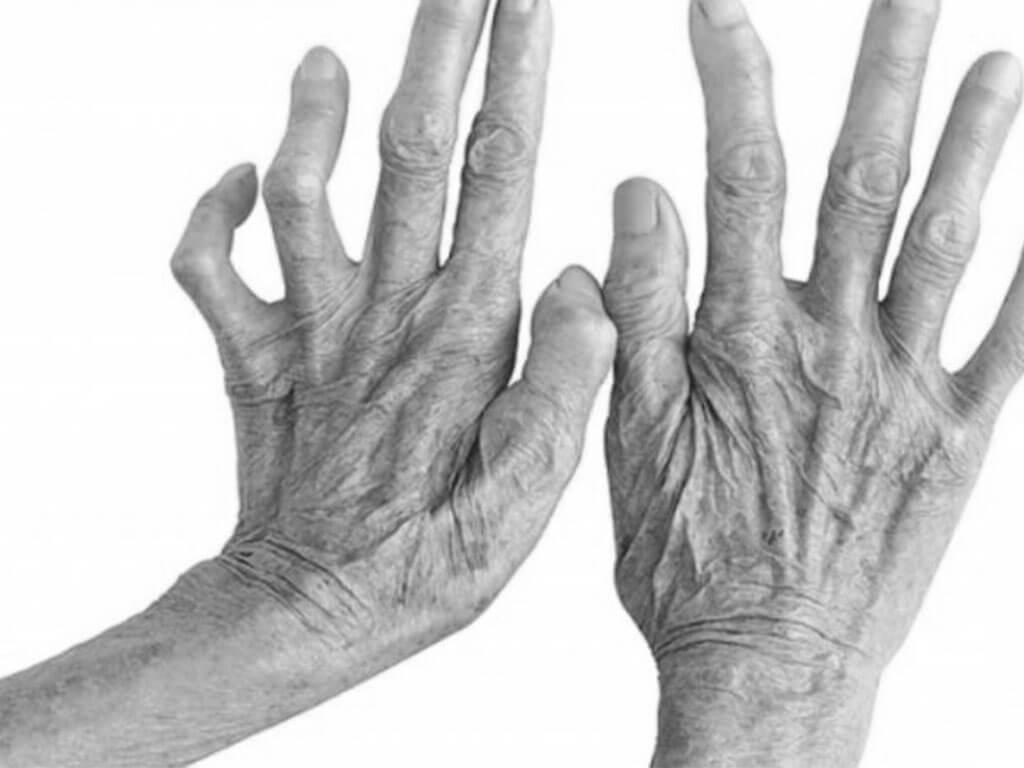
left It has been found that 10 districts of Lumbini province are at risk of leprosy. Dr. Arun Kumar Budha, director of medical services of INF Nepal, said that Lumbini is the province with the second highest risk of leprosy after Madhes province. According to him, districts like Rupandehi, Kapilvastu, West Nawalparasi are at risk of leprosy.
Out of the 18 districts where leprosy has been reported in Nepal, 10 districts are under the service area of Banke’s signing hospital. He said that in Lumbini province, leprosy infection has also been observed in children and the number is high. According to Dr. Budha, poverty, lack of access to health services, social discrimination and stigma are the main reasons behind the delay in the diagnosis of leprosy.
The plan to develop the Signing Hospital in Banke’s Janki Rural Municipality-Manpur as a regional center for services related to leprosy and heat neglected diseases in western Nepal including Lumbini province has been advanced. He said that the aim is to make the hospital, which is currently operating as a regional referral center, a treatment center for patients from Karnali, Lumbini and Sudurpaschim provinces. He says that this plan is related to the zero leprosy strategy of Nepal government.
According to the report of the Government of Nepal, about 2,500 new leprosy patients were identified in the financial years 2080/81 and 2081/82. According to INF Nepal, Signing Hospital Banke, about 25 percent of them are from Lumbini region.
Hospital services are to be expanded targeting patients who are at risk of leprosy. A building is being constructed for the internal services of the hospital at a cost of around 23.5 million rupees. The building, which can accommodate 25 patients in five wards, will have facilities including wheelchair-friendly toilets, nursing stations, treatment rooms and medicine storage rooms. So far, six thousand and seventy-nine people have received free treatment from INF’s Hariokhark Hospital in Pokhara, Signing Hospital in Surkhet and Signing Hospital in Banke.
Dr. Budha said that dermatologists, therapists, manpower and skilled staff related to artificial limbs and shoe technology are needed to run the hospital continuously. Mentioning that disability rehabilitation is also a challenge, he said that management of disabilities caused by non-communicable diseases is also a challenge. He said that the cooperation of the Lumbini state government is necessary for the expansion and operation of the hospital.
International Executive Director of INF, Richard Reeve, said that a large amount of money is being spent on leprosy control in Nepal and that expected achievements have been achieved. Lumbini Province Health Minister Dipendra Kumar Pun said that the provincial government is ready to cooperate with the hospital. The government of Nepal has taken a strategy to reduce leprosy to zero by 2030.



