Kathmandu. The MPs have demanded that the word ‘prostitution’ used in the Human Trafficking and Trafficking Bill be removed and replaced with decent and inclusive terminology. They proposed to clearly include child labor exploitation, forced labor and other forms of exploitation in the definition of exploitation.
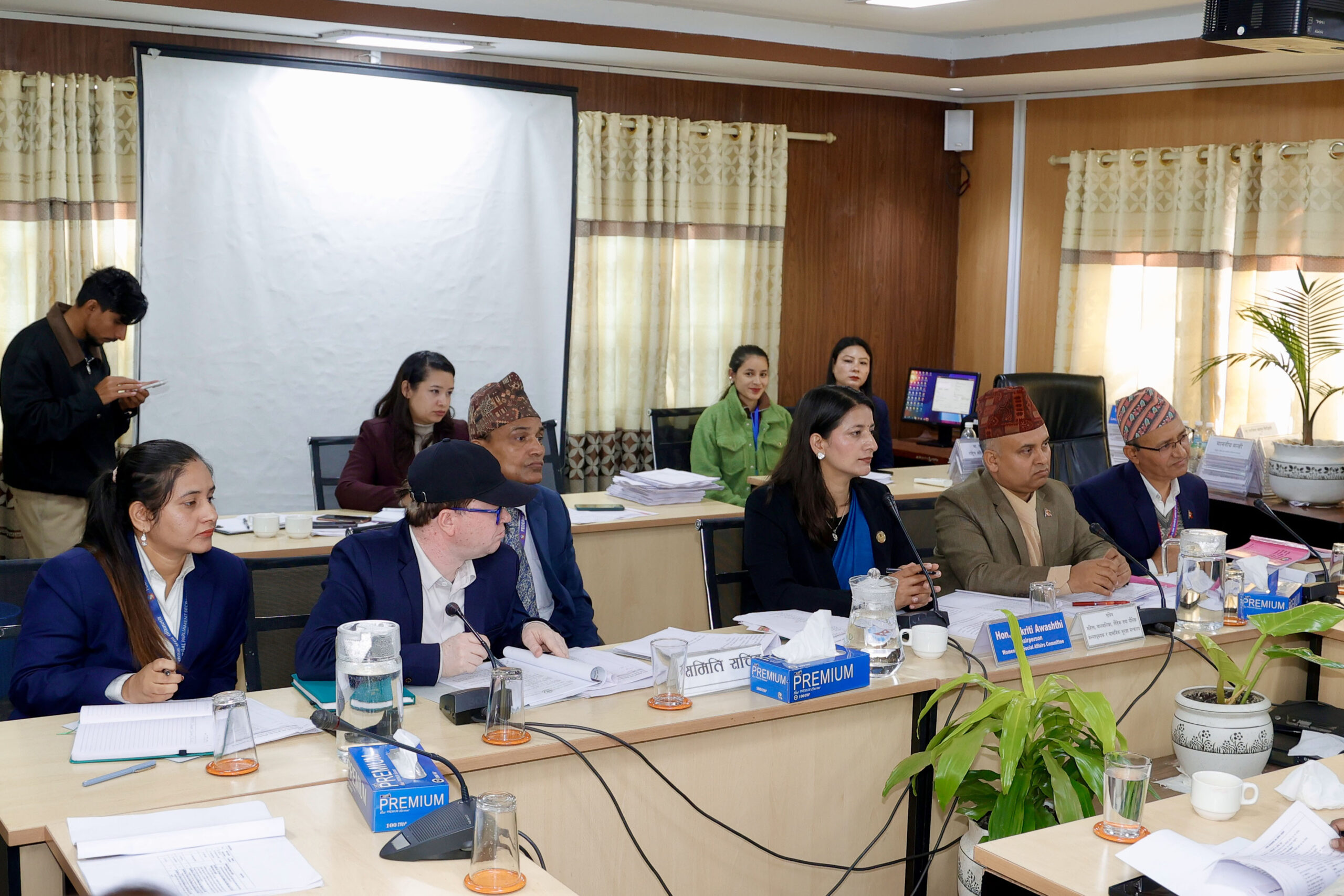
During the discussion on the Human Trafficking and Trafficking (Control) (First Amendment) Bill, 2083 in the Women and Social Affairs Committee today, the amendment MPs said that the word ‘prostitution’ carries the burden of social stigma and discrimination, especially for women, and instead, they are of the opinion that alternative words such as ‘forced sex trade’, ‘prostitution’ and ‘sexual exploitation’ should be used.
The amendment, Indira Rana Magar, proposed to replace the wording of the bill with the wording of “forced sex” in the bill. Mentioning that taking advantage of poverty, geographical conditions and lack of awareness, women are forced into sex work, she said that even after rescue and rehabilitation, the victimized women and their generations have to carry social stigma.
Mentioning that even the women who were rescued from different countries had to suffer the social stigma associated with the word throughout their lives, she said that the word ‘prostitution’ should not be used when addressing women forced into sex work.
Similarly, MP Manmaya Vishwakarma proposed an amendment to replace the word ‘prostitution’ with ‘prostitution’. He said that the word indicates only women in terms of gender and creates a situation of abuse and exploitation of women. She said that since the law should address everyone equally, the word targeting the same group on the basis of gender should be removed.
MP Ganesh Bahadur Bishwakarma proposed that it should be defined as ‘sexual exploitation’ and not as ‘prostitution’ or ‘sexual act’. She said that the exploitation of Badi women, especially of the Dalit community, should not be interpreted as sex business or prostitution, and it should be included in the law as sexual exploitation.
She proposed that the definition of exploitation should include enslavement, direct or indirect bondage, labor exploitation, removal of human organs except in accordance with existing laws, trafficking in human tissue and forced labor. In addition, he proposed that a separate definition of forced labor should be kept, including the situation where a person is forced to work against their free will through assault, threats, imprisonment or other mental and physical pressure. She said that the definition should also include the exploitation of labor through Kamaiya, Kamalari, Haliya, Haruwacharua and Jhuma practices.
MP Parvati Bick said that the definition of exploitation should clearly include forced labor exploitation of children. Noting that although the definition of exploitation is mentioned in the bill, labor exploitation of children is omitted, she proposed to add a phrase that covers forced labor exploitation of children after the wording of ‘prostitution’.
She said that the word ‘prostitution’ has been used to humiliate a community in the past and its social impact is still present, and she said that the impact of the word used in the law on the society should also be taken into account. He was of the opinion that the word written in the law should be removed as it can have a different effect on the implementing agency and the society.
MP Bhumika Shrestha also said that the word ‘prostitution’ should be removed and a dignified and inclusive vocabulary should be used. Stating that Article 16 of the Constitution guarantees the right of every person to live with dignity, she said that the dignity of women, men and gender and sexual minorities should be respected through the language of the law.
Saying that people involved in sexual activity should not be used from the beginning to give a negative identity, she was of the opinion that appropriate terminology such as ‘sex business’ or ‘person involved in sexual activity’ should be used. She emphasized that the situation of engaging in sex business voluntarily and the situation of being forced into sexual activities should be understood differently. He said that there is a need for terminology in the law that addresses the situation of coercion, exploitation and coercion separately.
What is in the Bill? In Section 3 of Sub-Section 4 of the Bill, 2064 to amend the Human Trafficking and Trafficking Control Act, 2064, Section 9G0, “Exploitation” means making a slave or bond or keeping it in such a position, engaging in prostitution, sexually exploiting with or without the use of electrical or any other means, removing human parts or forcing it into labor except in accordance with prevailing laws.