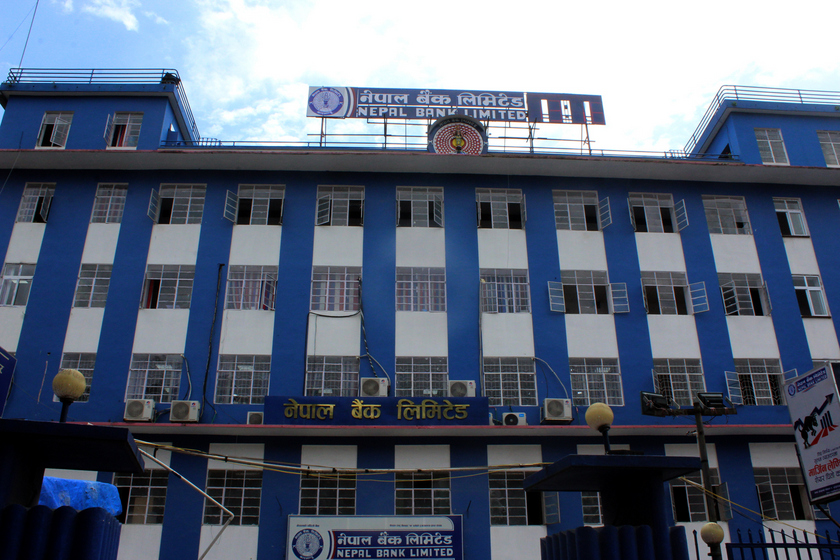
Kathmandu. Established as the first formal bank of Nepal, ‘Nepal Bank Limited’ has completed 89 years of its establishment and entered its 90th year from today. V.No. The bank, which was established on 30th November 1994, has been making a significant contribution to the development, expansion and promotion of institutional financial services in Nepal’s modern banking system for nearly nine decades.
When the bank was established, access to organized banking services in Nepal was very limited. The culture of saving among the common people had not been developed and it was also difficult to get institutional financial support for industry, trade and business operations. Considering this situation, Nepal Bank was established according to the concept of public-private partnership with the participation of 10 investors.
At the time of its establishment, Nepal Bank started its banking business with a total paid-up capital of Rs.842,000. This increase is also the progress made by the overall financial sector of Nepal along with the institutional expansion of the bank.
Since its inception, the bank has been playing a leading role in expanding financial access through the development of saving habits among the general public, collection of deposits and lending to industries and businesses. The bank has made a significant contribution in providing financial support to business, industry and economic activities in addition to making citizens join the formal banking system.
The history of Nepal Bank is not limited to the development of a financial institution. It also played an important role in laying the foundation of Nepal’s modern banking system. Before the establishment of Nepal Rastra Bank, Nepal Bank had performed some important responsibilities of the central bank for about two decades. This shows that the bank had a historical role in the development of the early financial administration and monetary system of Nepal.
Today, Nepal’s banking sector has become very expanded and technology-friendly. Banking services for salary payments, savings, loans, remittances, business operations and various financial transactions have become an integral part of the daily life of common people. Mobile banking, internet banking and digital payment systems have made access to financial services easier and wider.