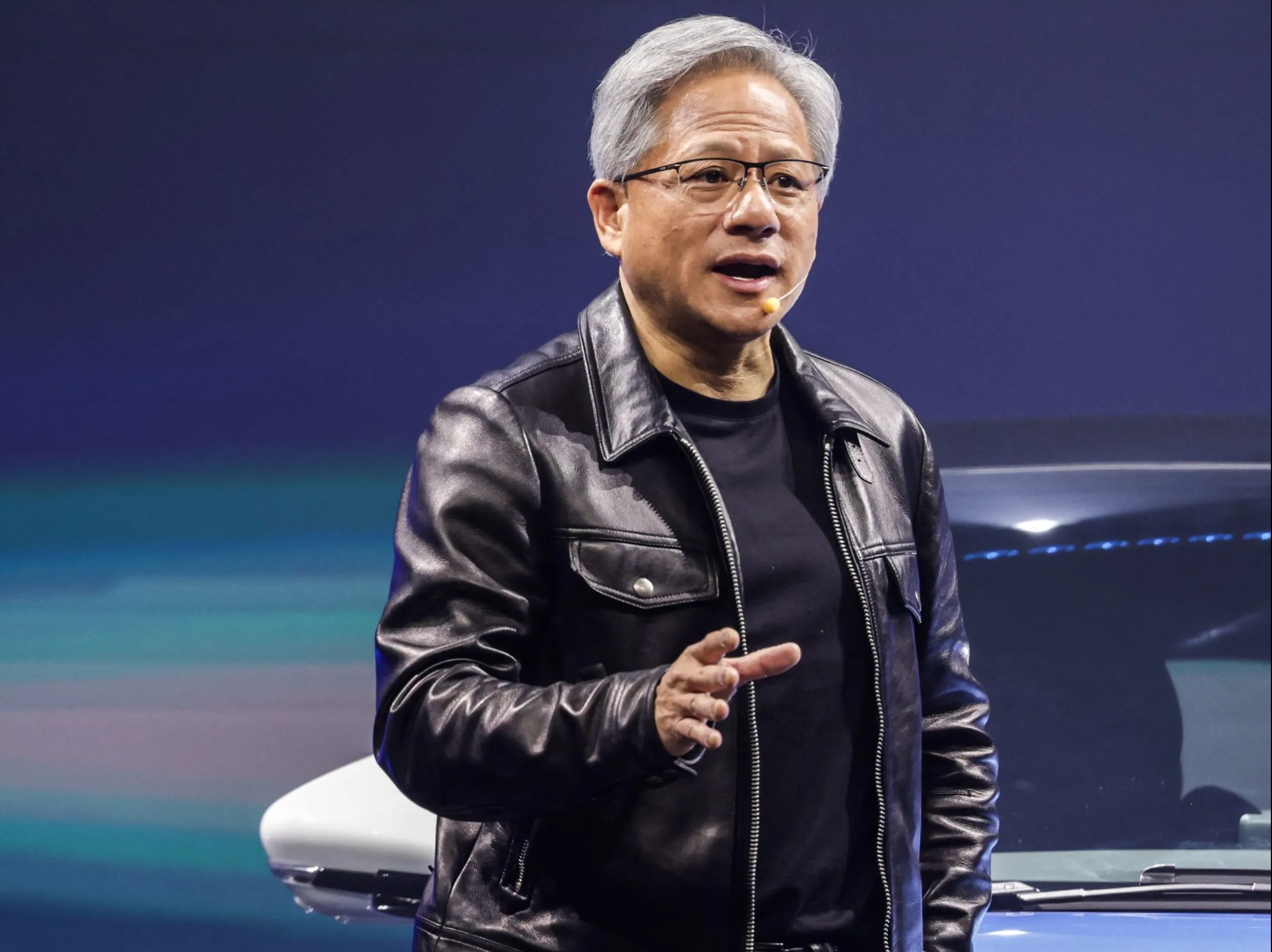
San Francisco. Jensen Huang, the chief executive officer of Nvidia, has resigned after accusations related to Chinese espionage and extramarital affairs with two women were made public. With his resignation, 33 years of leadership in the company has come to an end. The incident has added uncertainty to the future of Nvidia, the world’s leading artificial intelligence (AI) technology company, and the US technology industry.
Nvidia’s share price initially fell by 13 percent after the news of his resignation was announced. The company’s market capitalization has dropped by about 45 billion US dollars. The 63-year-old Huang has also left the position of chief executive and member of the board of directors. Chief Financial Officer Colette Kress will take over as interim chief executive.
After the launch of ChatGPT in 2022, Huang established himself as a key figure in the rapidly expanding artificial intelligence (AI) industry. Starting with the production of processors that make graphics for video games, Nvidia has become a major supplier of the chips needed to build AI models. Huang, who is also an informal adviser to US President Donald Trump, has been opposing the ban on the sale of advanced AI chips in China.
Amidst the controversy, President Trump has said former Apple CEO Tim Cook is a suitable candidate for the leadership of Nvidia. On the other hand, the Board of Directors has appointed Harvey Jones, the former head of Synopsis, as the Chairman.
Huang admitted that she had a relationship with Alice Huang, a former executive of Singapore-based data center company Megaspeed. US intelligence agencies have accused Ellis of being a person related to China’s Ministry of State Security, but China has denied this. Singapore said that Ellis was banned from re-entering the country last February because he gave false information in the investigation about Megaspeed. But it has been clarified that there was no investigation of espionage against him.
Meanwhile, “The New York Times” claims that Huang has another relationship with Kimberly Powell, vice president of Nvidia. The board of directors also started an investigation into the fact that Huang may have been targeted by foreign intelligence agencies.
This dispute has been made public at a time when the competition for supremacy in cutting-edge technology is going on between the US and China. US lawmakers have sought clarification from the Trump administration about possible ties between Huang and Chinese intelligence agencies. It is suspected that the banned Nvidia technology may have been sent to China through Megaspeed. Singapore said that it received only limited assistance after repeatedly requesting information from the US Department of Justice and the FBI on this matter.