

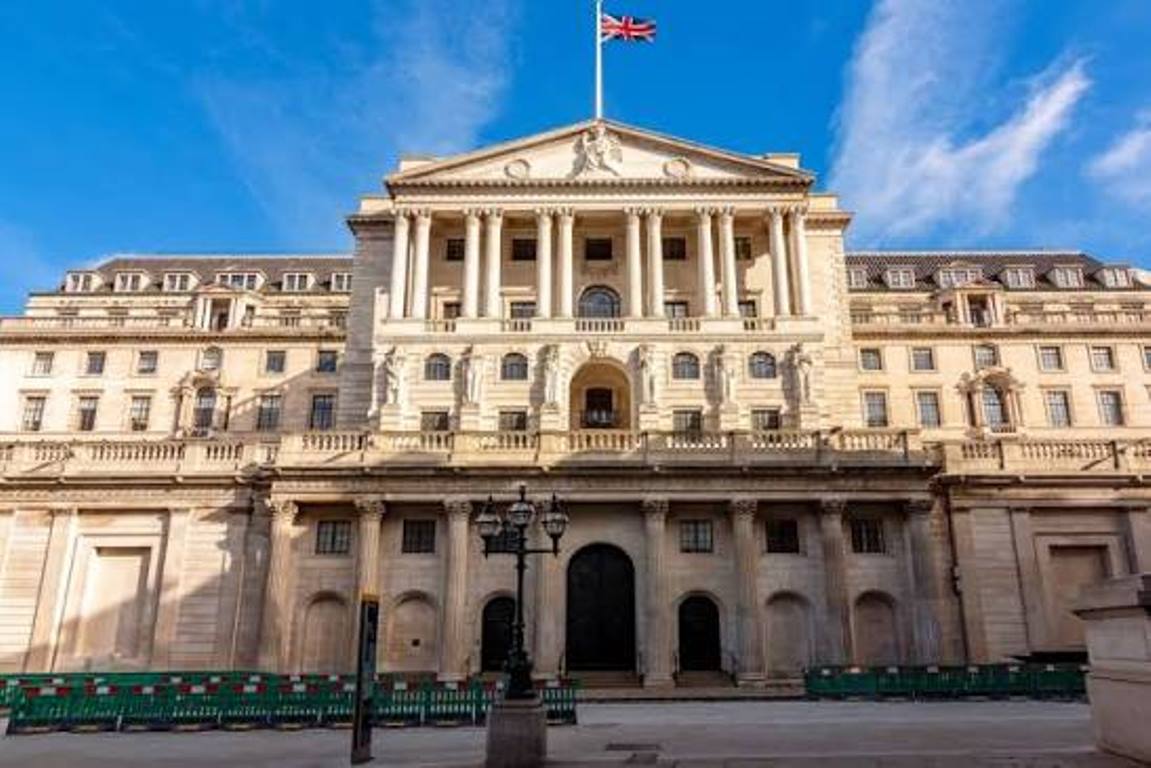
London. The Bank of England has increased interest rates for the first time since 2023. The Bank of England raised its key interest rate to four percent on Thursday. This is the first increase in more than three years. According to the bank, this step has been taken at a time when the rapid increase in energy prices has increased global inflation.
The central bank has increased the cost of borrowing by 25 percentage points. It has followed the US Federal Reserve and the European Central Bank in raising interest rates since the start of the Middle East conflict.
Diesel prices around the world have hit historic highs as Ukraine attacks Russian refineries and the US-Iran war disrupts energy supplies in the Gulf region. “The rise in energy prices now raises the prospect of enough inflation to require the Bank to raise interest rates,” Bank of England Governor Andrew Bailey said in a statement.
“Today’s growth should not be seen as the first step in an inevitable long-term growth chain,” Bailey said. This final increase is unlikely to happen until the conflict in the Middle East is resolved.
Despite rising inflation, the Bank has increased its forecast for UK economic growth for 2026 and 2027. The central bank has now estimated that the gross domestic product (GDP) will be 1.6 percent this year and 1.3 percent next year. In July, he forecast 1.1 percent GDP growth for both years.
The Bank of England last raised the key interest rate in August 2023 and kept the cost of borrowing at 3.75 percent since December. Britain’s annual inflation rate rose more than expected to 3.5 percent in September, well above the Bank’s two percent target.
The Bank of England said in its main forecast on Thursday that British inflation will rise to 4.9 percent in the second quarter of next year. Although the government gave some help in last week’s annual budget announcement, millions of British citizens will have to face an increase in their fuel and energy bills from the beginning of next year. Rasas



