Kathmandu. The government has started preparations to minimize the loss of life and property caused by this year’s cold wave and snowfall. The National Disaster Risk Reduction and Management Authority has started the necessary preparations from today in view of the risk of cold wave and snowfall.
The executive head of the authority, Dr. Dharmaraj Upreti, said that cold waves and snowfall should not be treated as normal weather conditions, but preparedness and response plans should be made in time to avoid its possible effects. In the national action plan review meeting for snow and cold wave preparedness and response, he stressed that the relevant agencies should be active in the response to the monsoon disaster as well to reduce the risks caused by cold weather.
“During the winter period from mid-November to mid-February, there is a risk of cold waves, fog and mist in the Terai and snowfall in the highlands and mountains,” said Executive Chief Dr. Upreti.
Mentioning that the risk of air pollution may also increase during the cold wave, Executive Chief Dr. Upreti said that an increase in the amount of PM 2.5 and PM 10 may have a serious impact on human health. He said that there are examples of Air Quality Index (AQI) reaching 150 to 400-500 in Nepal and emphasized that in such a situation, special information and awareness regarding health should be issued.
Executive Head Dr. Upreti said that if the situation of cold and pollution becomes serious, measures such as closing the school, implementing a strict system on vehicles and stopping the construction work should be taken. He mentioned that for this, coordination between related agencies including the Health Emergency Operation Center is necessary.
“During the winter season due to thick fog and snow, when the visibility decreases, the air and road traffic is affected and the risk of accidents increases. In some cases, visibility is limited to 50 meters, so special caution should be taken when operating vehicles and air flights,” said Dr. Upreti, Executive Director.
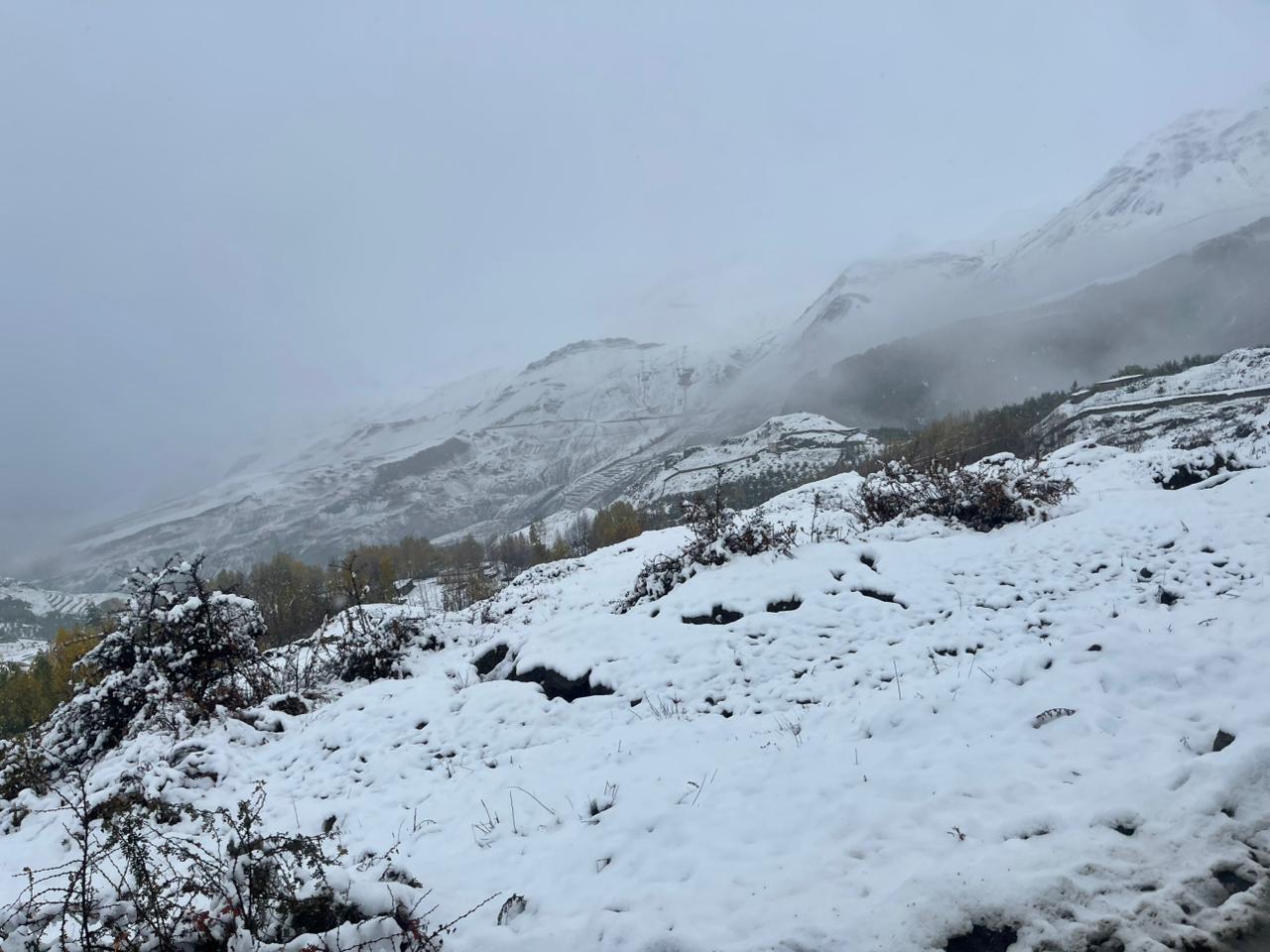
Executive Chief Dr. Upreti emphasized that there is a possibility of snowfall in the high mountain areas and areas above 2,000 to 2,500 meters and that necessary preparations should be made for the safety of the residents, tourists and travelers there. He informed that due to the El Nino conditions, it is not possible to make a definite forecast at this time and after receiving more information from the Weather Forecasting Division, preparations will be made accordingly.
Executive Head Dr. Upreti emphasized that adequate air circulation should be provided when burning firewood or heaters inside the house to avoid cold during the cold wave. He said that there is a risk of suffocation, fainting and even death if the window is closed and the fire or heater is turned on, carbon monoxide gas accumulates.
Chief executive Dr. Upreti suggested that special attention should be paid to protect pregnant women, newborns, children, senior citizens and chronic patients from cold. He emphasized that after the announcement of the cold wave, the District Administration Office and the District Disaster Management Committee should respond by distributing firewood to vulnerable areas, providing warm clothes and blankets to poor families. He said that the Red Cross and development partner organizations should also prepare for the necessary support.
“Preparations should not be started only after receiving information about cold waves from the Department of Meteorology, the necessary resources and manpower should be managed before the information comes,” said Dr. Upreti, Executive Director.
The Authority has said that preparedness and response will be made effective in coordination with Weather Forecasting Division, Security Agency, Health Emergency Operation Center, local level and media.