Kathmandu. Import of animal fat in Nepal is increasing every year.
According to the data of the Customs Department, 6,467 metric tons of fat were imported from India in the first four months of the current fiscal year 2083/084. Its price is 92 crore 44 lakh 51 thousand rupees and the government has collected 17 crore 24 lakh 23 thousand rupees as revenue.
In the last five financial years (2077/078 to 2081/082), Nepal imported animal fat worth 11 billion 15 billion 37 lakh 59 thousand rupees from various countries. During this period, it seems that most imports came from India and Thailand.
According to the data, both the quantity and price of fat import are increasing. In the first seven months of the last fiscal year 2082/083, 1496982 kg of fat worth 1 billion 479 million 71 thousand rupees was imported from India and Thailand. Looking at this data, it seems that the use of animal fat is increasing excessively in Nepal.
Although it is possible to make industrial raw materials by processing fat obtained from animal husbandry and meat industry in the country, Nepali industries are seen to be dependent on imported fat.
Where and why is animal fat used?
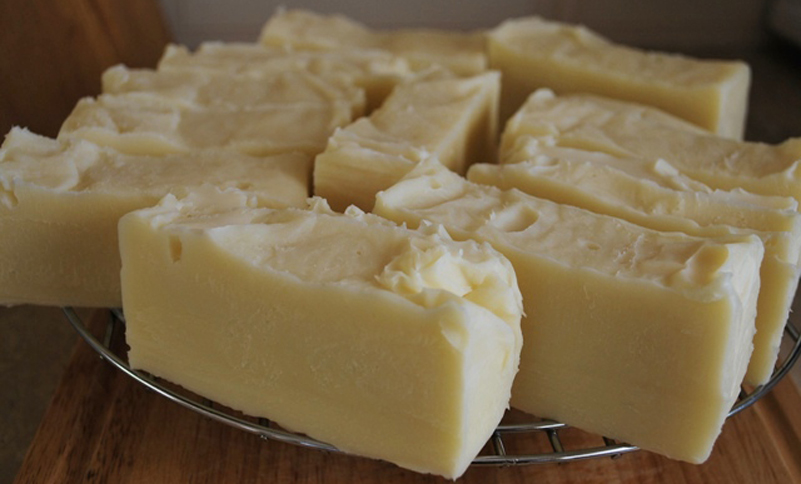
According to Trade and Export Promotion Center, animal fat is mainly used as a raw material by the soap, cosmetic and animal feed manufacturing industries. Among these, the highest consumption is in the soap industry. Animal fat, which is used as a raw material for soap production, is also used in the production of cosmetic materials. Apart from this, it is also used in industrial lubricants, animal feed and some traditional medicines.
It is also known to heat the fat of pig, sheep or lamb as oil to cook vegetables. However, the quality and use of fat imported for industrial purposes and fat used for food purposes may be different.
Although there is a possibility of producing different types of animal fat from meat business and animal husbandry in Nepal, a large amount of fat used in industries is being imported from abroad. The import of fat worth more than 11 billion rupees in five years has also raised questions about the utilization and processing capacity of indigenous raw materials.