Kathmandu. Experts have said that if breast cancer is detected and treated in time, the chances of recovery will increase, so it is necessary to increase public awareness about it.
Breast cancer is one of the major cancers in women. According to the Globocan 2024 report of the International Agency for Research on Cancer (IARC), it is estimated that in 2024, not 243,438, but 24,34,87 new breast cancers will be diagnosed worldwide. In the same year, it is estimated that 693 thousand 660 people died due to this.
According to the report, it is estimated that 1,746 new cases of breast cancer will occur in Nepal in 2024 and 750 people will die.
Cancer specialist Dr. Arun Shahi said that lumps in the breast, sores, blood or other fluids coming out of the mouth, and changes in the skin like orange peel should not be ignored. He suggested that if such symptoms are observed, one should not only rely on home treatment but go to a health institution for examination.
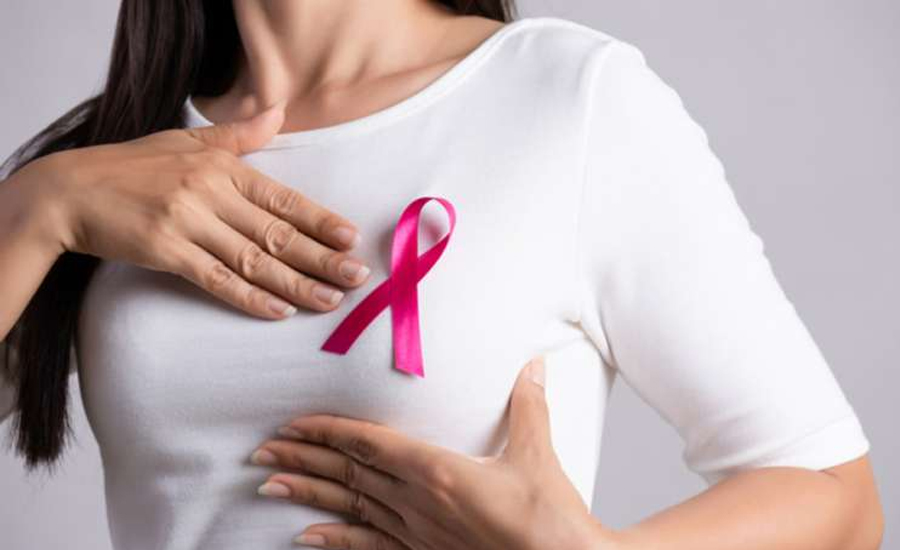
Women should be aware of the general shape and texture of their breasts. If any abnormal changes are observed, the test should be done in time.
Dr. Shahi said that breast self-examination is an easy method to identify abnormal changes in the breast. According to him, after reaching the age of 19, women should regularly examine their breasts within seven to 10 days of menstruation. Postmenstrual and pregnant women should also be aware of the changes in the shape, form and texture of the breast regularly.
Medical breast examination, ultrasound, mammography and biopsies are done as needed to detect breast cancer. Breast cancer can happen to both men and women. Changes in lifestyle, obesity, drinking and smoking, physical inactivity and unhealthy diet are possible risk factors. Not breastfeeding is also associated with risk.
Dr. Shahi said that if breast cancer is detected at an early stage, the treatment will be effective.
Possible symptoms of breast cancer include a painless lump in the breast or under the armpit, changes in the shape of the breast, swelling inside the nipple, discharge of pus, blood or watery fluid from the nipple, pain or swelling of the breast, and non-healing sores on the skin that look like orange peel.
To reduce the risk of breast cancer, one should not smoke and drink alcohol, exercise regularly, maintain a balanced weight, eat nutritious food and have regular breast examinations.