Kathmandu. The government has been proactive in implementing the ‘Animal Slaughterhouse and Meat Inspection Act, 2055’ keeping in mind the hygiene of meat and the health of consumers.
After 28 years of the Act, in the first phase, slaughterhouses in Kathmandu Valley are being regularly monitored and inspected keeping in mind the hygiene of meat and the health of consumers. The federal government has implemented the law in the first phase from this Tuesday.
Dr. Mani Ratna Aryal, Senior Agricultural Economist and Information Officer of the Ministry of Agriculture, Forestry and Environment informed that in the first phase, meat inspectors have been assigned to monitor slaughterhouses and meat shops.
“Now, regular monitoring of slaughterhouses by regularly appointing meat inspectors has been raising public awareness about the steps to be taken for necessary improvements”, he said, “Since this is a matter related to human public health and meat hygiene, it is necessary to be active from our respective places and implement it.”
Madhav Timilsina, President of Consumer Rights Research Forum, said that it is commendable that the government is trying to implement the ‘Animal Slaughterhouse and Meat Inspection Act, 2055’ after 28 years, keeping in mind the hygiene of meat and the health of consumers.
“Most of the slaughterhouses and meat shops are not operating according to the law”, he said, “It is necessary for the government to organize slaughterhouses and create an environment where consumers can eat clean meat.”
Aryal, the Ministry’s information officer, said that through the Animal Services Department, meat inspectors have been appointed and are giving necessary instructions to improve aspects such as irregular monitoring and cleanliness of slaughterhouses.
“After the implementation of the law, the meat inspectors have been conducting regular monitoring and instructing slaughterhouses and meat shops to improve”, he said. The government is planning to publish the notification in the gazette on August 1st and implement it throughout the country in the first phase on November 1st and in the second phase from January 1st.
“At present, trained meat inspectors from the Department of Animal Services are engaged in monitoring. Now we are giving information about the basic infrastructure and improvements that need to be made in slaughterhouses”, he said, “Now consumers must also pay attention to the quality of the meat products they eat.”
Information officer Aryal said that work is being done to create public awareness in aspects such as cleanliness of slaughterhouse, use of tools, water and clean water.
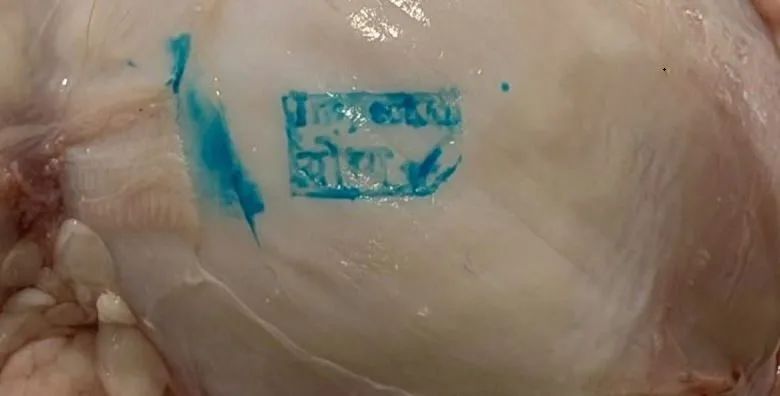
“The meat inspector has inspected the slaughterhouse and stamped the meat that has reached the standard as clean”, he said.
According to the Act, when the meat inspector examines the meat of the animal and gives permission to sell the meat, the specified mark or mark must be clearly visible on the meat. However, the meat seller is not allowed to sell meat that is not stamped or marked.
In the Act, the Government of Nepal or the provincial government can appoint or appoint a person who has at least a bachelor’s degree in veterinary medicine to the position of meat inspector to inspect animals and meat. President Timilsina says that various preconditions and standards need to be met for the implementation of the Act.
“There is a need for a slaughterhouse in accordance with scientific standards, a meat inspector who inspects animals before and after slaughter”, he said.
Chairman Timilsana said that there are only a limited number of slaughterhouses and meat shops that meet the standard in Kathmandu Valley, so they should be proactive in improving the quality of meat shops.