Kathmandu. The Animal Slaughterhouse and Meat Inspection Act, 2055, which has been limited to paper for almost 28 years, has been formally implemented from today. In the first phase, the Act implemented in all the 21 local levels of Kathmandu, Lalitpur and Bhaktapur in Kathmandu Valley is expected to bring the production, slaughter, processing, transportation and sale of meat into legal scope. However, lack of sufficient slaughterhouses, conversion of traditional business to new standards, safe transportation and coordination between the three levels of government are not less challenges for its implementation.
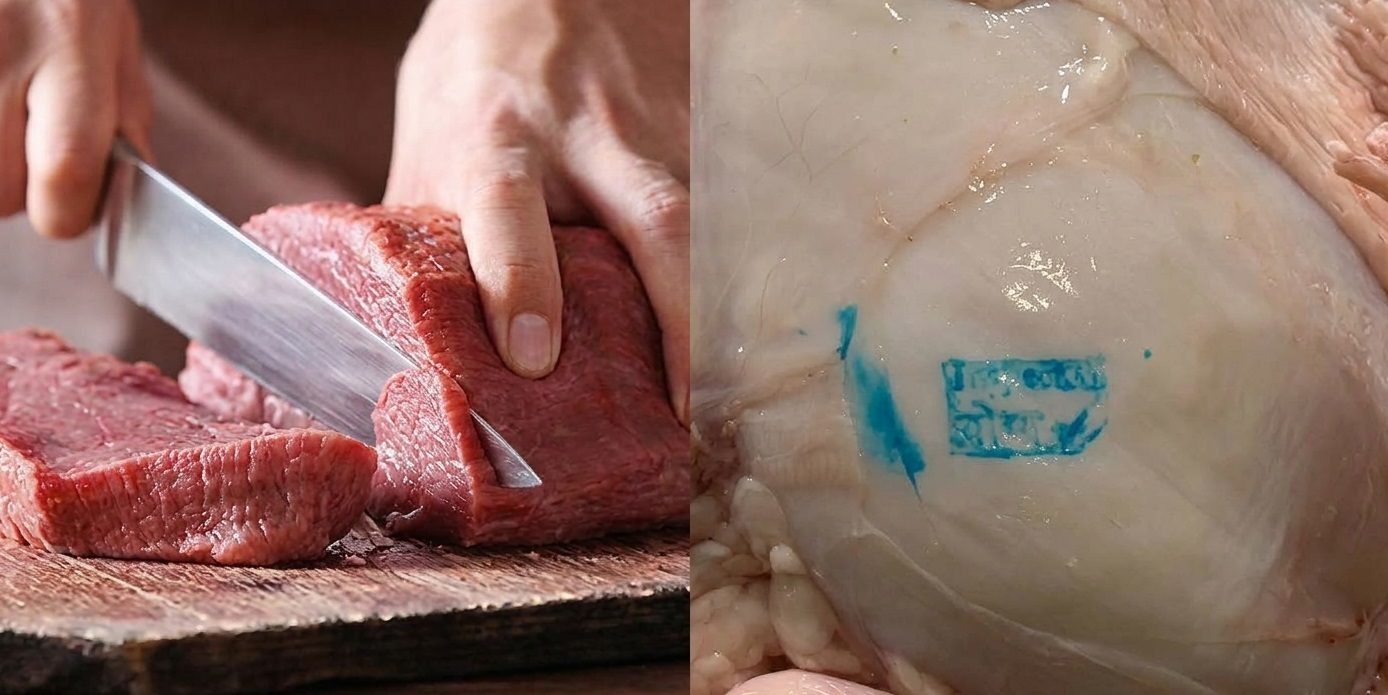
According to the new system, animals can be sold only after the health check before slaughtering and after slaughtering the meat hygiene and putting an official stamp on it. A license has been made mandatory for operating slaughterhouses and meat shops. Selling the meat of sick or dead animals and adulteration of the meat has also been banned. Director General of Animal Services Department Dr. According to Umesh Dahal, 240 meat inspectors have been mobilized in the valley to implement the Act. At present, arrangements for testing and sealing have been started from five slaughterhouses. The government plans to improve the currently operating structures and appoint slaughterhouses in coordination with the local level where there are not enough slaughterhouses.
According to Dahal, instead of building big slaughterhouses immediately, the existing structure will be improved according to the minimum standards and gradually converted into an organized slaughterhouse. The budget has also been allocated through conditional grants to establish abattoirs in the metropolitan city of the valley.
However, he said that when the law is extended outside the valley, the challenge of manpower management and inspection may increase. It is seen that it will take time to get used to the new system for the businessmen who have traditionally been slaughtering animals in their own shops. It can be challenging to make traditional dishes and businesses that use meat with skin in particular, comply with legal standards.
Similarly, maintaining hygiene while transporting meat from the slaughterhouse to the store is another important aspect. According to the department, clean, closed and suitable containers for food contact should be used as the meat can be infected by dust, insects and other contaminants when the meat is transported in the open. In long distance transportation, moisture management i.e. cold chain will be required.
Impressions alone are not enough – consumer rights activist
National Consumer Forum Central President Premlal Maharjan has termed the implementation of the Act after 28 years as a positive and historic step in terms of consumer rights. According to him, getting clean and healthy food is the constitutional right of consumers. The effective implementation of the Act will help to reduce the risk of diseases that can be transmitted from animals to humans as well as control the sale and distribution of unhealthy meat.
However, he says that if the government seal is placed on the meat, it is not guaranteed that the consumers will get completely safe meat. “Meat that has been certified clean in the slaughterhouse can be contaminated again during transportation, storage and sale,” Maharjan said, “so consumers should also pay attention to the cleanliness of the shop, the place where the meat is kept, the humidity, color and smell, along with the government seal.”
He said that the local level should intensify the monitoring in the event that the tested meat cannot be provided immediately in all shops. He suggested that the practice of cutting meat in open places should be stopped, glass covers and refrigerators should be arranged in shops and a permanent mechanism should be made for regular monitoring.
According to Maharjan, the Act should be monitored regularly and casually throughout the year without limiting it to a campaign of a few days. Although the businessmen should be given a certain time and technical and financial support for improving the infrastructure, strict action should be taken against those who violate the standards.
“Coordination between the three levels of government is necessary”
Effective coordination of rights, responsibilities and resources between union, state and local levels in the implementation of the Act is another challenge. The department says that the law cannot be effective without their approval and participation as the local level has the right to manage and monitor the local market.
Director General of Animal Services Department Dr. According to Dahal, this time the implementation has been carried out in coordination with the local level. Priority has been given to support of technical manpower, orientation to businessmen, consumer awareness and mapping of slaughterhouses. He informed that a proposal has also been made for the amendment of laws and regulations.
Those who violate the law and operate unlicensed slaughterhouses or sell contaminated meat from diseased animals will be fined from 5,000 to 20,000 rupees, imprisoned for one to three months or both.
The government has made an action plan to expand the campaign started in the valley from January 1 to other districts of Bagmati province and then to the entire country from July 1. Although the implementation of the law after 28 years is an important start, it will depend on regular monitoring, adequate infrastructure, skilled manpower, businessmen’s cooperation and consumer awareness. The test is now before the government and all parties concerned whether the campaign will be inactive after some time or whether a sustainable system of clean and safe meat supply will be established.