Kaski. With the Tihar and Chhath holidays, Ghandruk, Sikles and Luang villages of Kaski are full of tourists after the peak of tourist season. With the significant arrival of domestic tourists, the number of guests in the hotels and residences of these villages has increased. As some tourists do not book in advance, it is difficult to get accommodation.
Ghandruk, located in Nannapurna rural municipality-10 and 11, has seen an increase in the number of tourists since the day after Tihar. According to Vikram Gurung, Chairman of Ghandruk Tourism Management Committee, 3,400 to 3,500 tourists are reaching the village every day. As it is difficult to get a room in the hotel due to the pressure of tourists, the committee has requested to come on the tour only by ‘booking’ in advance.
Most of the domestic tourists who reach Ghandruk are tourists from India and other countries. Ghandruk, which is the main destination of the Annapurna cycle trail, is also a resting place for trekkers as it is located on the Annapurna base camp and Punhil-Ghorepani trail.
The main attractions of Ghandruk are the panoramic view of Annapurna and Machhapuchhre snow ranges, the original culture of the Gurung community, the village environment and the local hospitality. Local tourism professionals say that the arrival of domestic tourists has increased recently after the expansion of road access. According to the tourism management committee, 80 hotels and 35 guesthouses are operating in the village, including resorts.
The number of tourists is also the same in Sikles village located in Madi rural municipality-1. According to the Tourist Information Center, 1,324 tourists reached Sikles on the day after Tihar. Local businessmen said that hotel management is difficult when a large number of tourists come at once.
According to Jharna Gurung, owner of Namaste Guest House, the hotel has already been booked for Sunday. She said that since it is difficult to provide rooms for new guests, tourists are asked to understand the hotel conditions and book in advance.
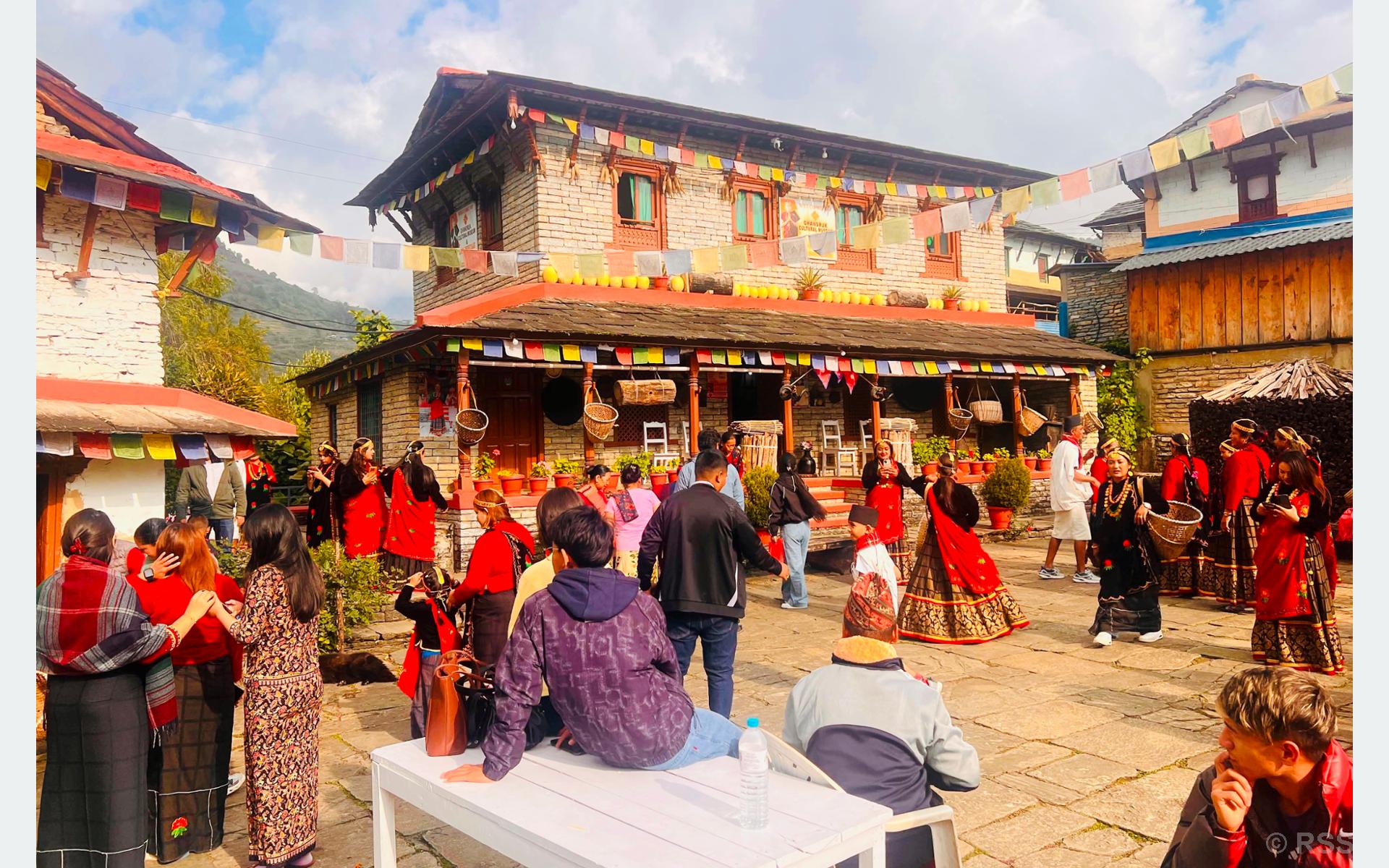
Located in the lap of the Himalayas, Sikless is known for its natural beauty and Gurung culture and tradition. Houses with the same pattern of stone and zinc roofs, stone courtyards and paths, old style windows and narrow streets reflect the original identity of the village. Madi river, green forests and mountain scenery will leave anyone spellbound.
Gurung Museum, Peace Memorial, Sikless Park, original costumes, dances and local dishes are the other attractions here. According to local businessmen, the number of tourists coming for trekking has also increased after the Sikles-Kapuche-Kori footpath was put into operation. The tourism business here, which started with community housing two decades ago, has now expanded to hotels and housing.
The arrival of tourists has also increased in Luang village of Machhapuchhre Rural Municipality-8, which is connected to Pokhara Metropolitan City. Manju Gurung, outgoing president of Luang Community Gharbas Management Committee, said that since the day after Tihar, the hotels and gharbas were filled with guests.
Lwang’s housing business, which started with seven houses in 2067, has now expanded to 26 houses. The guesthouses here have the capacity to accommodate up to 400 guests in one night. Lwang is becoming a popular destination for tourists who want to experience nature and Gurung culture.
The view of the sunrise over the Machhapuchhre and Annapurna glaciers from Luang, which is 1,400 meters above sea level, is considered attractive. Another major attraction here is the tea garden spread over an area of 1,200 ropani at the top of the village. Domestic and foreign tourists visit the village to experience the tea garden, Gurung rituals, Raithane food and local lifestyle.
In Lwang, tourists can learn about the way of making local dishes, farming and the skills of making materials such as doko and sekhu from Nigalo. Tourists going to Annapurna base camp and Mardi trail also rest here. The nearby Pokhara Cannoning and Ghalel village have added to the tourist attractions of this area.
Ghandruk, Sikles and Luang can be reached by road from Pokhara, so visiting these villages has become easy. Natural beauty, original culture, hiking and homestay experience have made these destinations popular with tourists. The increase in tourist arrivals along with Tihar and Chhath holidays has made the local tourism business viable, while the management of tourist pressure and availability of adequate accommodation has been seen as a challenge.