Kathmandu. Today is Tihar, the last day of Yama Panchak. On this occasion, the sisters wish happiness, peace, prosperity and long life by applying seven-colored tika on their brothers’ foreheads, wearing velvet and hundred-petal garlands.
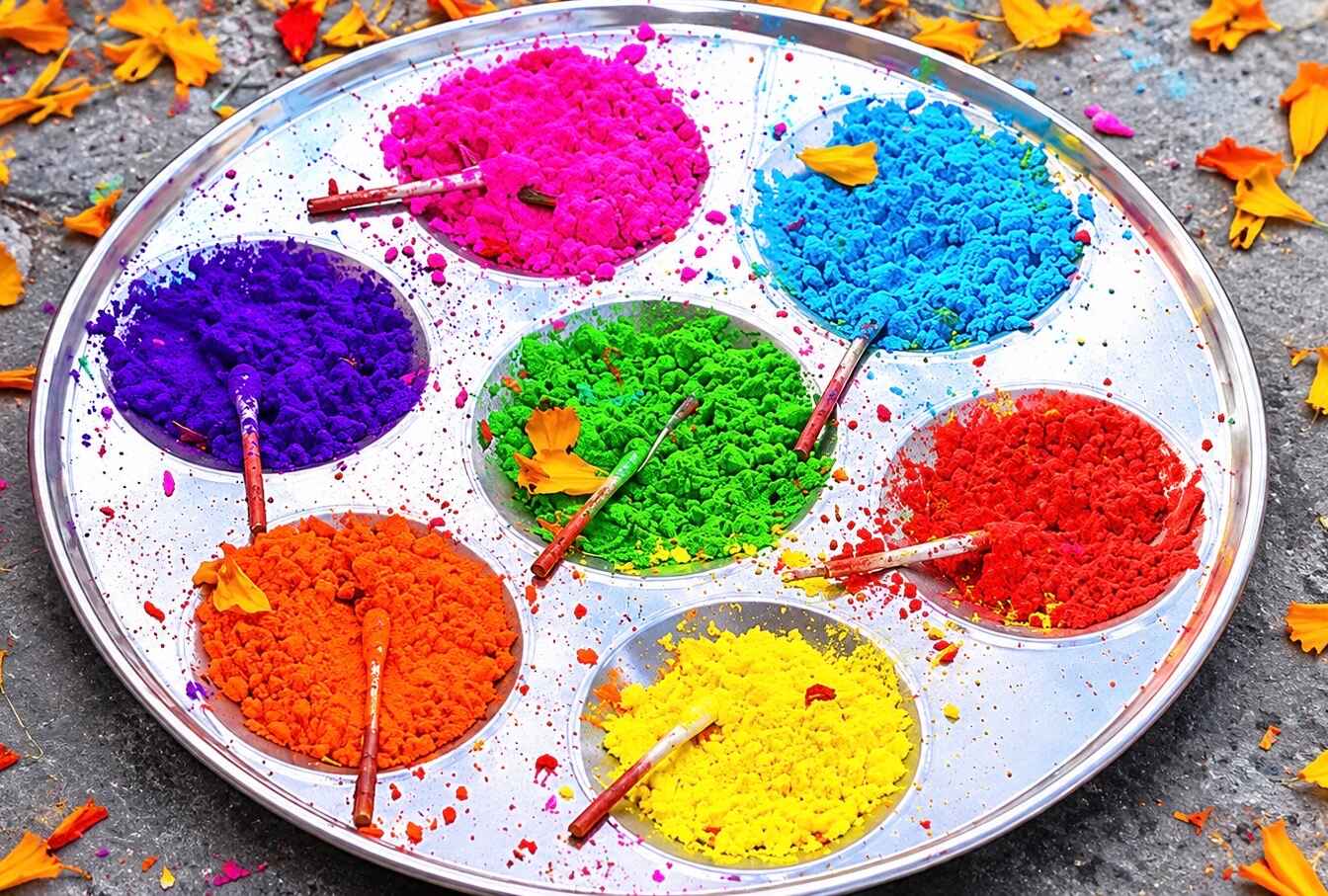
Bhaiti is a festival of special importance in Nepali society, where love, harmony and intimacy between brothers and sisters are exchanged. Seven colors adorning the forehead and garlands of flowers worn around the neck make this festival more special. However, why is Saptrangi tika used in Bhaitika? What is the religious and cultural meaning of all the seven colors?
According to religious belief, Bhaitika’s relationship is connected with Yamaraj and his sister Yamuna. According to legend, on the day of Kartik Shukla II, Yamuna invited her brother Yamraj to her house and offered him pooja and tika. It is religiously believed that Yamraj, pleased with his sister’s love and hospitality, gave the blessing of long life and well-being to the brother who received tika from his sister on that day. Along with this mythological belief, the tradition of celebrating Bhaiti is found.
Each color of Saptarangi Tika used in Bhaitika is also understood in a different meaning. Red color is considered to be a symbol of strength, courage, victory and good luck. White color conveys the message of peace, purity and cleanliness. Yellow color is associated with knowledge, wisdom and prosperity while green color is considered to be a symbol of nature, newness, health and vitality.
Similarly, the color blue is associated with patience, vastness and depth. Purple color means dignity and spiritual awareness, while orange color is considered to be a symbol of enthusiasm, energy and enthusiasm. However, the meanings of these colors may vary according to religious and cultural interpretations. Overall, Saptarangi Tika represents positive aspects of life and auspiciousness.
Applying saptarangi tika does not only mean decorating the forehead with seven colors. It also reflects the love, trust and intimacy between sisters and brothers. Sisters wish their brothers happiness, peace, health and longevity, while brothers also express their love, respect and responsibility towards their sisters.
Along with Tika, traditions like oil circle, nut cracking, dubo and wearing velvet garlands also make Bhaitika more special. These methods are linked to religious beliefs and cultural beliefs.
Thus, the septarangi tika worn in Bhaitika is not only a combination of seven colors, but also a symbol of unbreakable relationship between brothers and sisters, mutual trust, love and good wishes.