Kathmandu. The government has approved a new standard to systematically prevent, identify and treat the problem of lake in the high mountains and Himalayas.
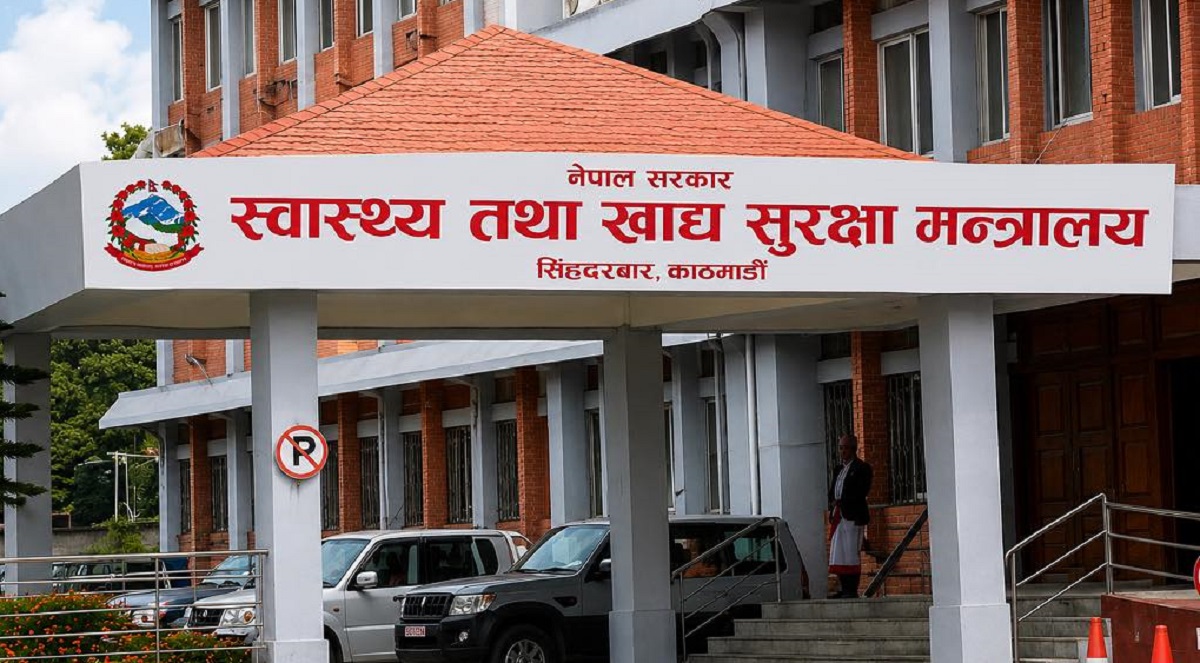
The Ministry of Health and Food Hygiene has approved the ‘Standards for the Management of Lakes in High Hill and Himalayan Areas, 2083’.
The new standard aims to ensure the timely identification and treatment of lactating problems that can be seen among tourists, hikers, mountaineers and local residents traveling to high altitudes.
According to the standards, when reaching an altitude of 2,500 meters or more above sea level, the atmospheric pressure decreases and the availability of oxygen in the body decreases. As the body cannot adapt to that environment, the problem of lactating appears. If not treated on time, there is a risk of death due to serious problems such as water retention in the lungs and swelling of the brain.
The standards approved by the ministry include measures such as gradually increasing the altitude to avoid exposure, giving enough time for the body to adapt, drinking plenty of soft drinks and not going to higher altitudes if symptoms occur.
Likewise, provision has been made to immediately lower the patient with problems to a lower altitude, use oxygen and hyperbaric chamber (Gamo bag) as needed and provide appropriate treatment.
The standard stipulates that oxygen cylinders, oxygen concentrators, pulse oximeters, Gamo bags, emergency treatment equipment and essential medicines should be provided in the health institutions of high mountains and Himalayan regions.
Similarly, the list of necessary medicines and equipment for the treatment and management of the problem of lactating is also included in the standard.
The standard also determines the responsibilities of the federal, state and local levels. The federal government will manage and monitor policies, standards, manpower and budget, while the provincial government will provide health workers’ capacity development and technical support.
The local level should ensure the expansion of access to health services, the management of necessary drugs and materials, and the system of sending patients to appropriate health institutions.
According to the ministry, the standard was issued using the authority given by section 64 of the Public Health Service Act, 2075.