Kathmandu. In Nepal, snake bite incidents and deaths are seen as a serious public health challenge. Although the risk of snakebite is higher in summer and rainy season, the problem has become more complicated due to the lack of adequate public awareness, timely treatment and easy access to health care.
According to the information available from the Epidemiology and Disease Control Division (EDCD) and the National Disaster Risk Reduction and Management Authority, 1,649 people have been bitten by snakes in the current financial year and 113 people have died in the same period.
According to the data of EDCD for the financial year 2081/82, 10 thousand 144 cases of snakebite were registered across the country. In the financial year 2080/81, such a number was eight thousand 181. Comparing the two financial years, there is an increase of 1 thousand 963 in registered cases. This is about a 24 percent increase.
In Terai district, the risk of snakebite is more during summer and rainy season. People who work in agriculture, grass cutting, bushes around the house and in open places are more likely to come in contact with snakes.
Sleeping on the floor at night, walking without shoes and not managing holes and open spaces where snakes can enter the house can also increase the risk. Head of EDCD Zoonotic and Epidemic Management Branch Dr. According to Amrit Pokharel, lack of awareness is the main cause of death.
“Recently, due to global warming, the conflict between snakes and humans has increased. Previously, snakes that were only seen in the Terai regions have now started to be seen in the Himalayan regions as the temperature increases,” said Dr. Pokharel said.
Out of 79 species found in Nepal, 21 are poisonous
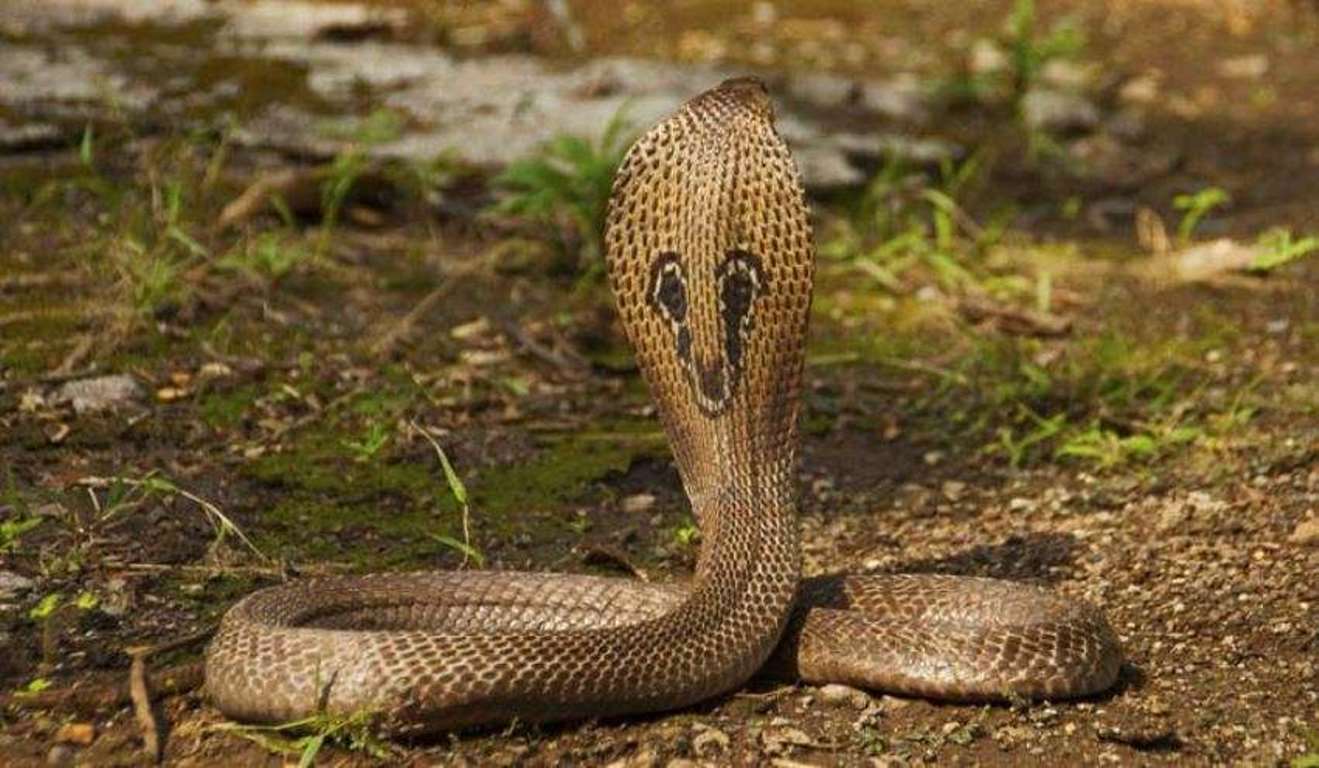
Out of 79 species of snakes found in Nepal, 21 species are poisonous. Among them, pit viper, karet, goman, coral and Russell’s viper belong to the major venomous group. The symptoms after a snake bite may vary according to the species of snake and the effect of the venom that has entered the body.
Antisnake venom serum used against snake venom is being provided in Nepal. The government From 2056, this medicine was provided free of cost in the treatment center.
There are currently 103 snakebite treatment centers in Nepal. Most of these are run in collaboration with Nepal Army, Nepal Red Cross Society and local community. However, the number of treatment centers alone does not ensure that the service is effective.