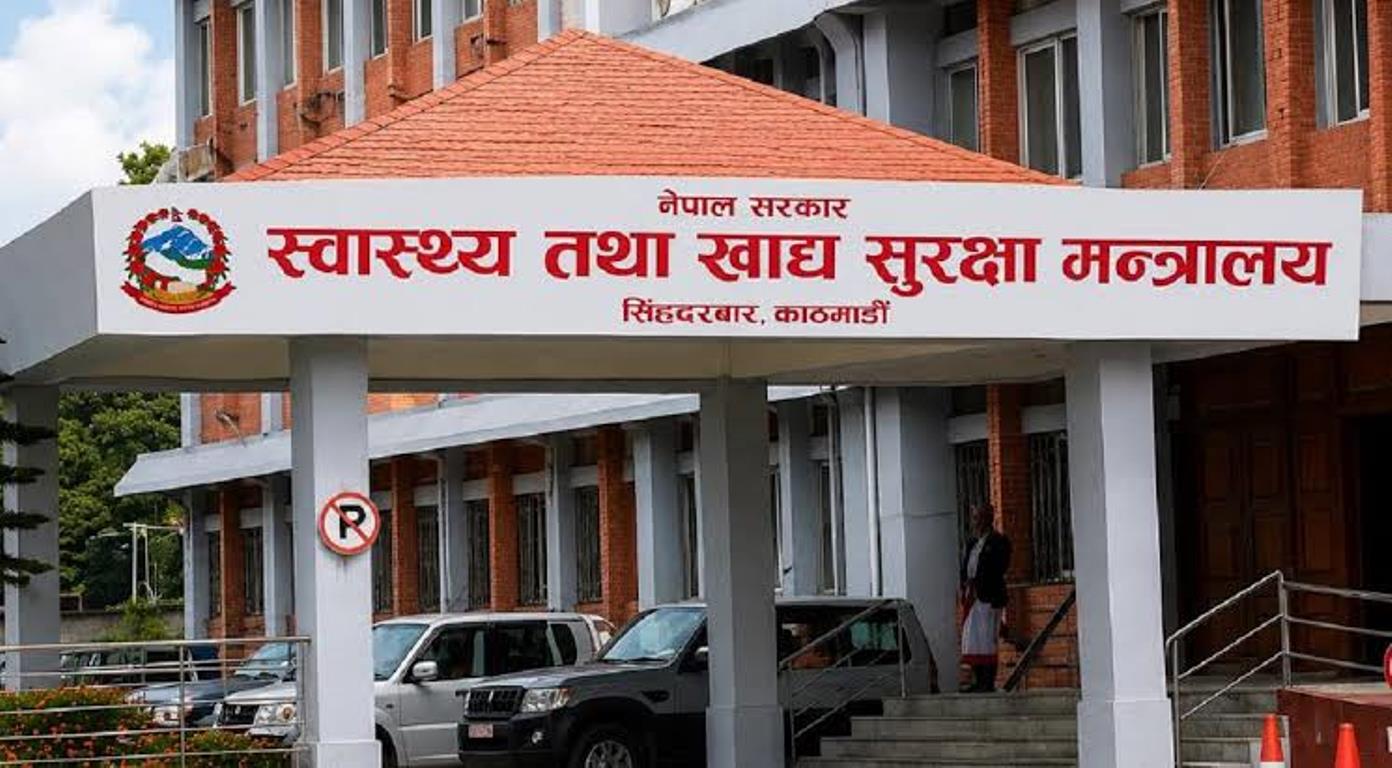
Kathmandu. A study conducted by the Ministry of Health and Food Safety has shown that more than 1,500 children in flood-affected Rasuwa, Nuwakot and Dhading have moderate malnutrition. The study report, which has not been made public by the ministry, also showed that 13 children had severe acute malnutrition.
Acute malnutrition is the most serious condition, requiring hospitalization and treatment of malnourished children. According to experts, the risk of early death in malnourished children is 10 times higher than that of healthy children. “We are preparing to distribute nutritional flour to seven thousand at-risk children, pregnant women and new-born mothers in Rasuwa, Nuwakot and Dhading,” said Leela Vikram Thapa, head of the nutrition branch of the Family Welfare Division under the Department of Health Services.
Malnutrition is considered an invisible health crisis in Nepal. According to the World Health Organization, acute malnutrition is also called wasting. This problem means that the children are not getting enough nutritious food and they have lost weight significantly in recent times. This type of problem occurs when the child is not getting enough food or is sick.
According to the World Health Organization (WHO), children with moderate acute malnutrition need immediate supplementary nutrition to prevent their condition from turning into severe acute malnutrition. According to the officials of the Ministry of Health, preparations are being made to provide nutritional flour mixed with micronutrients at the rate of 6 kilograms every month for three consecutive months through the United Nations Children’s Fund (UNICEF) to solve nutritional problems. Similarly, children will be given three kilograms of nutritious flour every month for six months.
According to nutritionists, children in flood-affected areas are at serious risk of malnutrition. They say that the distribution of junk food such as noodles as a relief material and the fact that children eat such unhealthy food most of the time has increased the risk.
No one has paid attention to the nutritional problem. Even those who provide relief materials to the affected population have ignored these things,” nutritionist Dr. Atul Upadhyay said, “If nutritional problems continue to be ignored, huge investments will have to be made in the treatment of malnourished children in the future.” Protein rich and nutritious food should be provided to the children in the affected areas.
According to experts, urgent intervention is needed to address the growing problem of moderate acute malnutrition and prevent it from turning into severe acute malnutrition. The National Nutrition Assessment Campaign conducted last April showed that nearly one in five children between the ages of six months to five years across the country have moderate acute malnutrition. Along with children, adults and the elderly are also affected by lack of adequate access to nutritious food. Experts say that the overall nutritional status of children has further worsened due to the increasing tendency to eat junk food, including processed and packaged foods and sugary drinks.
“Parents can be stressed and have other priorities. Therefore, children may not get nutritious food on time,” public health expert Dr. Aruna Upreti said, “We should not forget that the effects of malnutrition can last a lifetime and it also affects the mental development of children.”
Upreti, who has been working for decades through writing and lobbying to promote locally available nutritious food, said that the relevant agencies should conduct immediate intervention programs to prevent the situation from worsening. He says that supplementary nutrition is essential to prevent the condition of children with moderate acute malnutrition from turning into severe acute malnutrition (SAM). According to the Nepal Demographic and Health Survey-2022, Nepal has made significant progress in reducing stunting among children under the age of five. In 2001, the incidence rate was 57% and now it has decreased to 25%.
Wasting is a debilitating condition in children under the age of five that causes the loss of muscle and fat tissue. Vesting has come down from 11 percent in 2001 to 8 percent now. Improving the nutritional status of children is also an international responsibility of Nepal. In order to achieve sustainable development goals by 2030, Nepal will have to reduce the rate of stunting from the current 25 percent to 15 percent, the rate of wasting from eight percent to four percent, the rate of underweight children from 19 percent to 10 percent, and the rate of anemia from more than 43 percent to 10 percent. From Ekantipur