

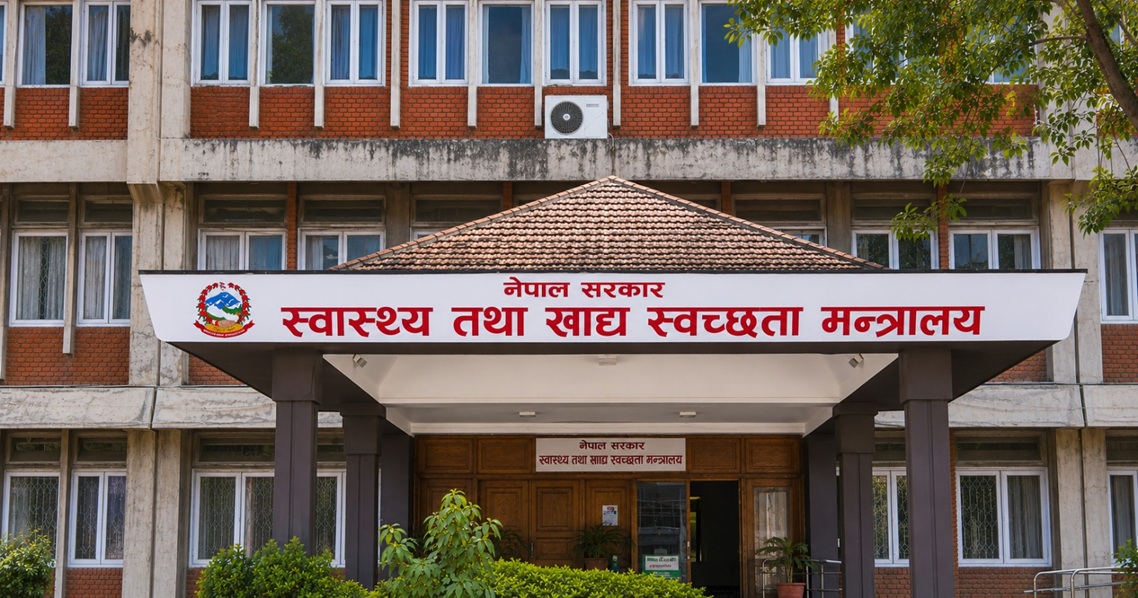
Kathmandu. The Health Emergency and Disaster Management Unit has urged the health sector to be on high alert to prepare and respond effectively in view of the possible heavy rains and the risk of disasters such as floods, landslides and inundation.
According to the information received from the Department of Water and Meteorology and the Disaster Risk Reduction and Management Authority, the unit has instructed to strengthen the preparations of the health sector as there is a forecast of moderate to heavy rain with lightning and wind in different parts of the country from 12th to 14th October 2083.
In this regard, the Health Emergency and Disaster Management Unit has written to the Regional Health Emergency Operations Center of all seven provinces and requested them to keep the necessary health services and response capacity in readiness.
In a letter issued by the head of the unit, Dr. Hemant Chandra Ojha, it has been asked to appoint one emergency contact person (Emergency Focal Person) who will be in contact 24 hours a day in each province, to provide his contact details to the unit and to make it public.
Similarly, it has been requested to coordinate with the relevant hub and satellite hospital network to keep the necessary health personnel in readiness along with the emergency medical team (EMT). It has also been asked to update the details of available manpower, medicines, health materials, equipment, ambulances and other resources in coordination with the partner agencies of the health sector.
It is mentioned in the letter that in order to provide timely healthcare services to the injured and affected citizens during the disaster, continuous coordination with the ambulance dispatch center in the province should be ensured to ensure smooth, quick and efficient operation of the ambulance service.
The unit has also requested the centers of all provinces to compulsorily send details of incidents and conditions related to the health sector through ‘zero reporting’ or ‘incident reporting’ on a daily basis.
These preparations have been prioritized to prevent interruption of health services during a possible disaster, to ensure the availability of necessary manpower and health materials, and to mobilize immediate response in the affected areas.